Search
Find insights, training programs, and workshops
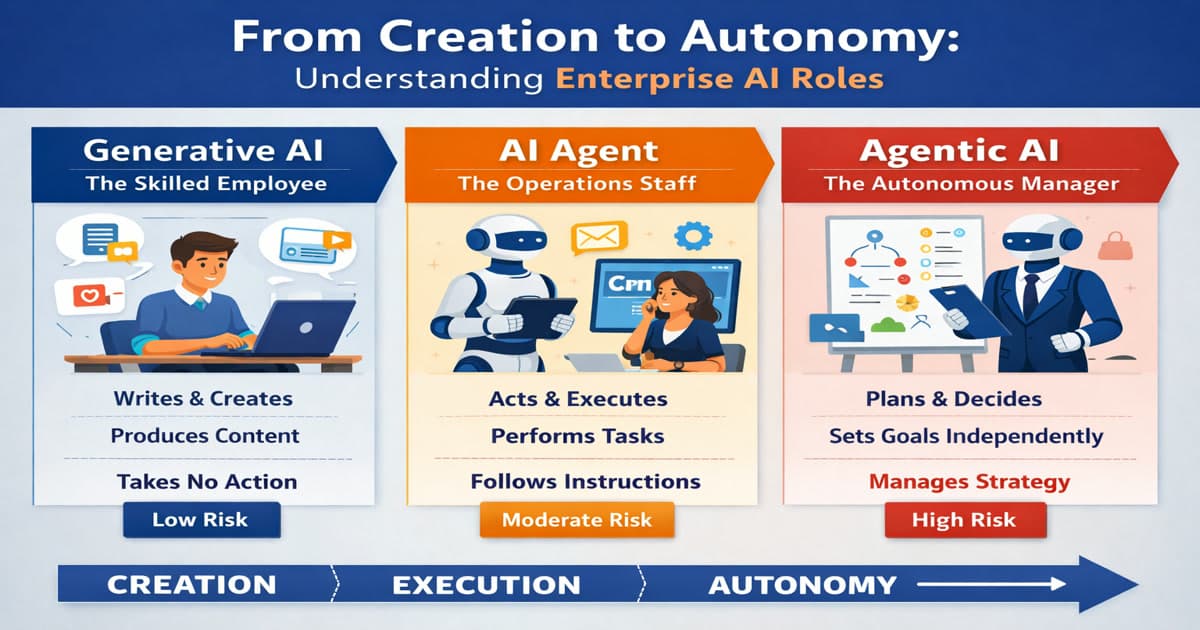
A clear executive guide explaining Generative AI, AI Agents, and Agentic AI using a corporate office analogy to prevent autonomy risks in enterprise AI.
...incorrectly Advice is safe. Action has consequences. Risk Level: Moderate to High Governance Need: Tool boundaries, approval checkpoints, logging An AI Agent operates within defined permissions. It still...
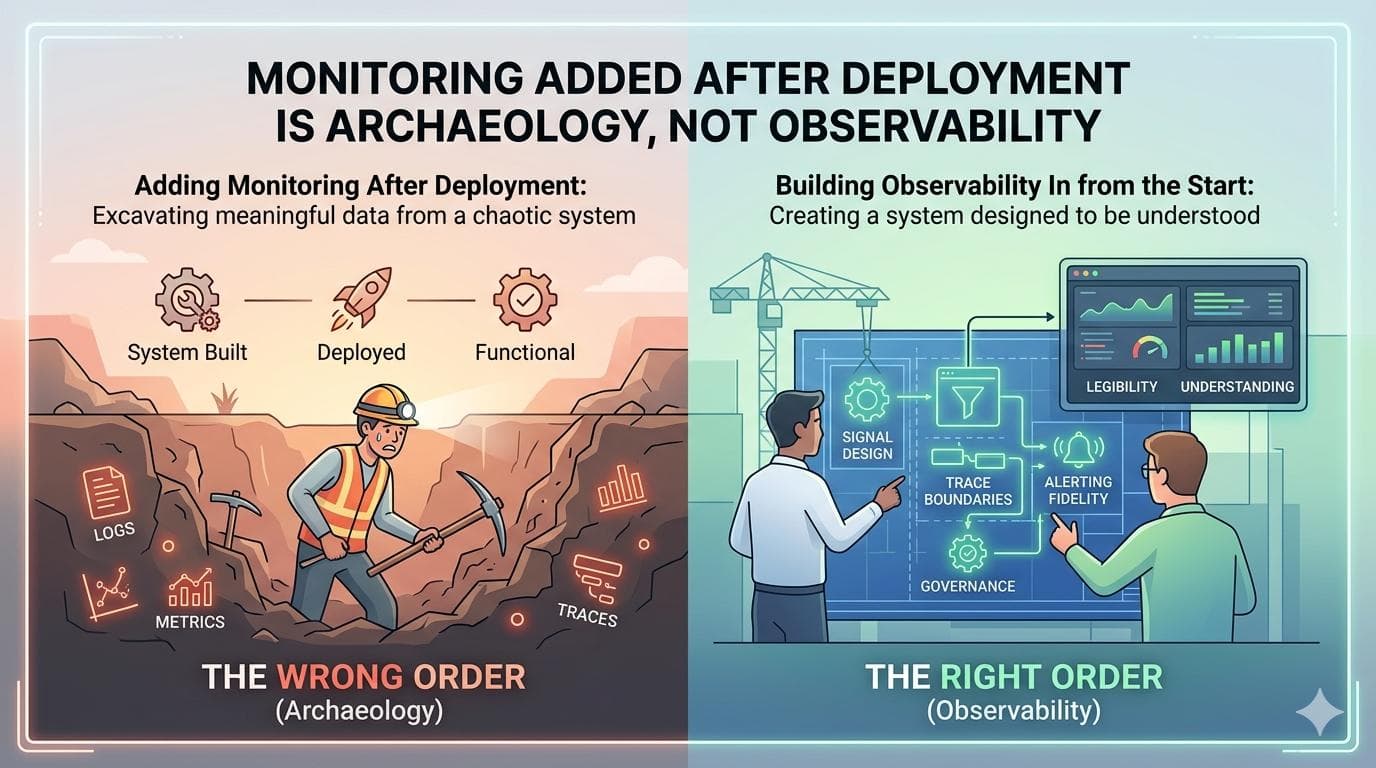
Observability is not a monitoring add-on. It is an architectural constraint. Systems built without observability baked in cannot be understood, cannot be governed, and cannot be improved. The OSAF model tells you exactly where your architecture is blind.
...Boundary Definition Traces are per-service. Debugging requires correlating five dashboards manually. Boundaries are defined at design time. One trace ID tells the full business story. Feedback Loop Velocity...
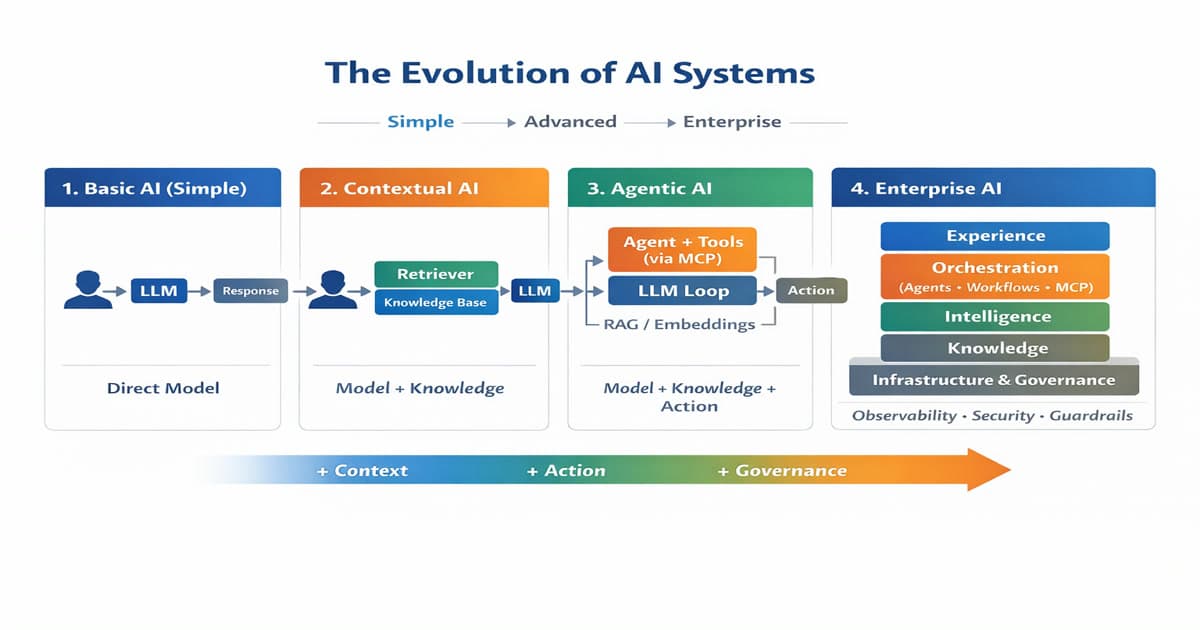
A structured guide explaining how AI systems evolve from simple model usage to governed platforms, and how to scale complexity without losing architectural control.
...agent selects tools. APIs are invoked. Systems are modified. Risk Level: High Governance Need: Tool boundaries Escalation checkpoints Autonomy classification Cost monitoring Operational logging This...
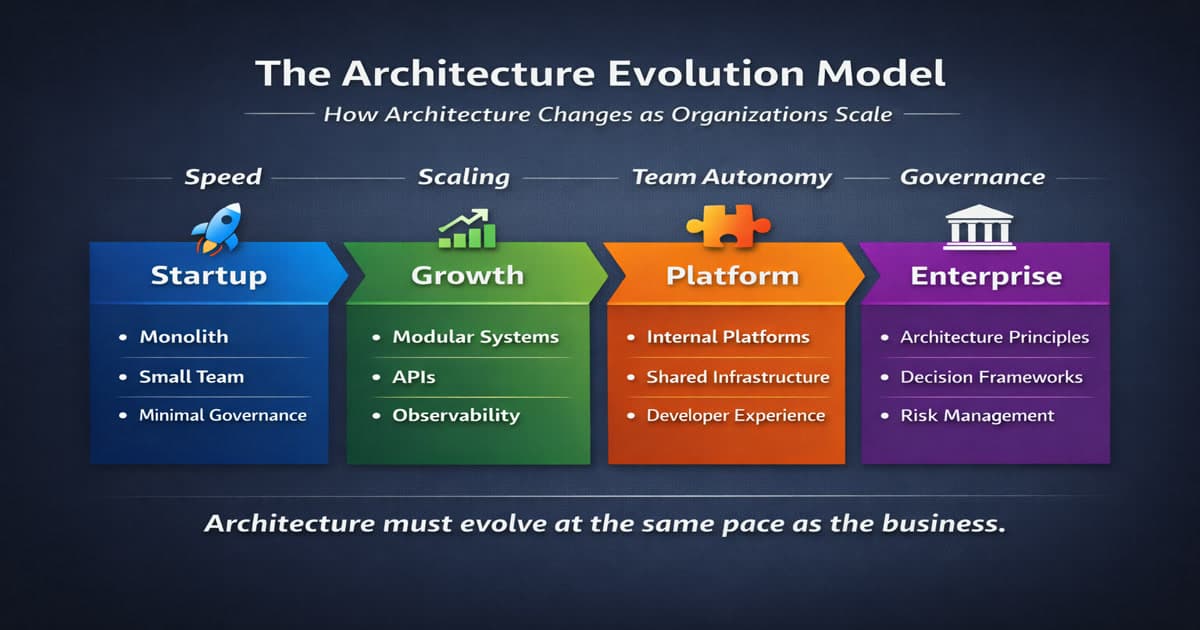
A practical framework explaining how software architecture evolves from startup experimentation to enterprise-scale governance, and what architectural practices are needed at each stage.
...focus becomes maintainable growth. Architectural Priorities At this stage teams introduce: service boundaries domain ownership reliability practices performance monitoring Architecture begins to shape...
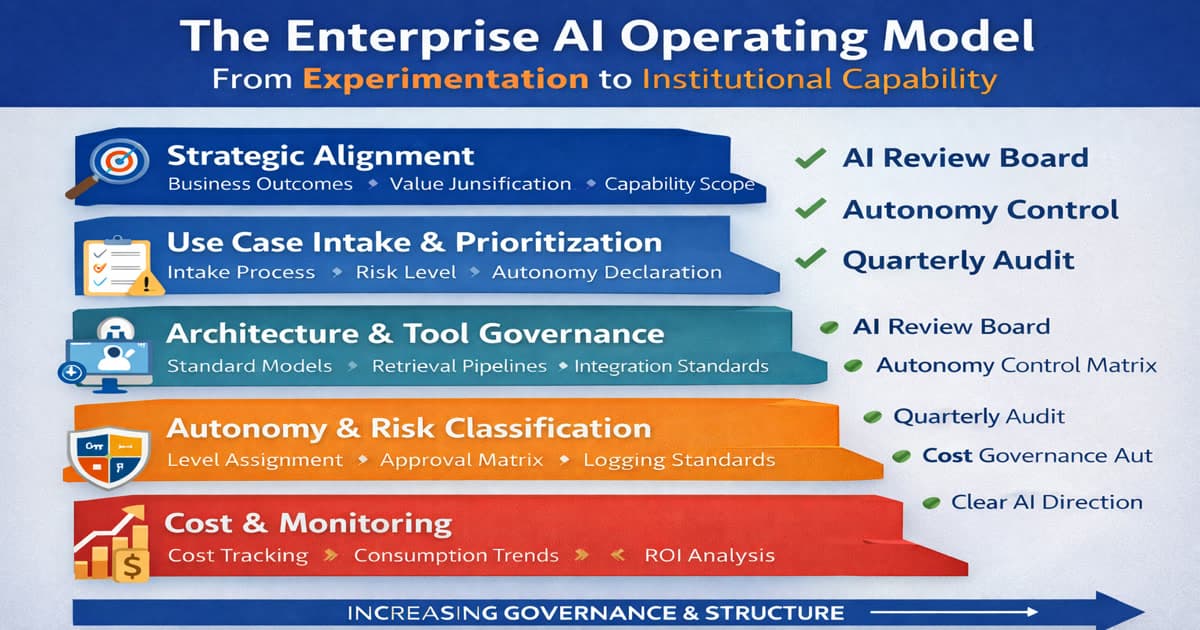
A structured executive guide explaining how to move from AI experimentation to an Enterprise AI Operating Model with governance, autonomy control, and cost discipline.
...(Generative) Execution (Agent) Delegated Decision Authority (Agentic) Each category requires: Defined boundaries Escalation rules Approval checkpoints Audit logging Autonomy should never be implicit. It...

A practical architectural model explaining why most companies only need a modular monolith, a workflow orchestrator, and outcome-based events.
...modules. Examples: Orders Payments Inventory Customers Notifications Each module is like a room in the house. Important characteristics: Clear module boundaries Shared runtime environment Internal communication through direct calls Consistent data...
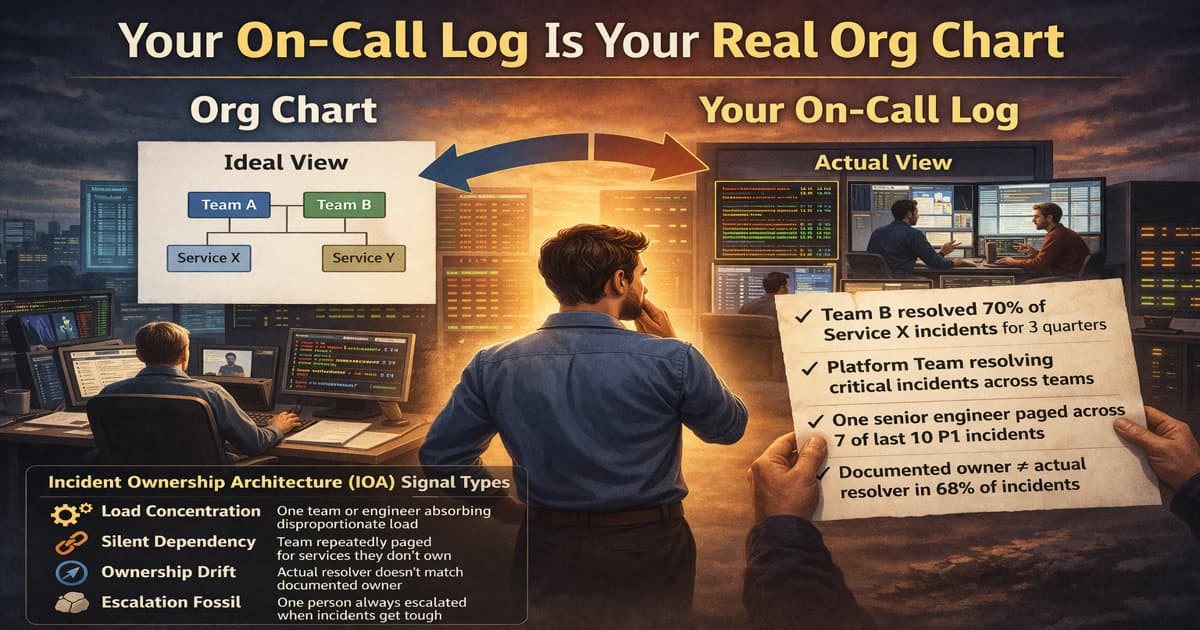
Why on-call rotation data is the most accurate org chart your engineering organisation has — and almost nobody uses it to make structural decisions.
...recorded simultaneously. Where the load actually lands. Who is trusted to resolve it. Which team boundaries are being crossed to get it resolved. And which senior engineer holds it all together when...
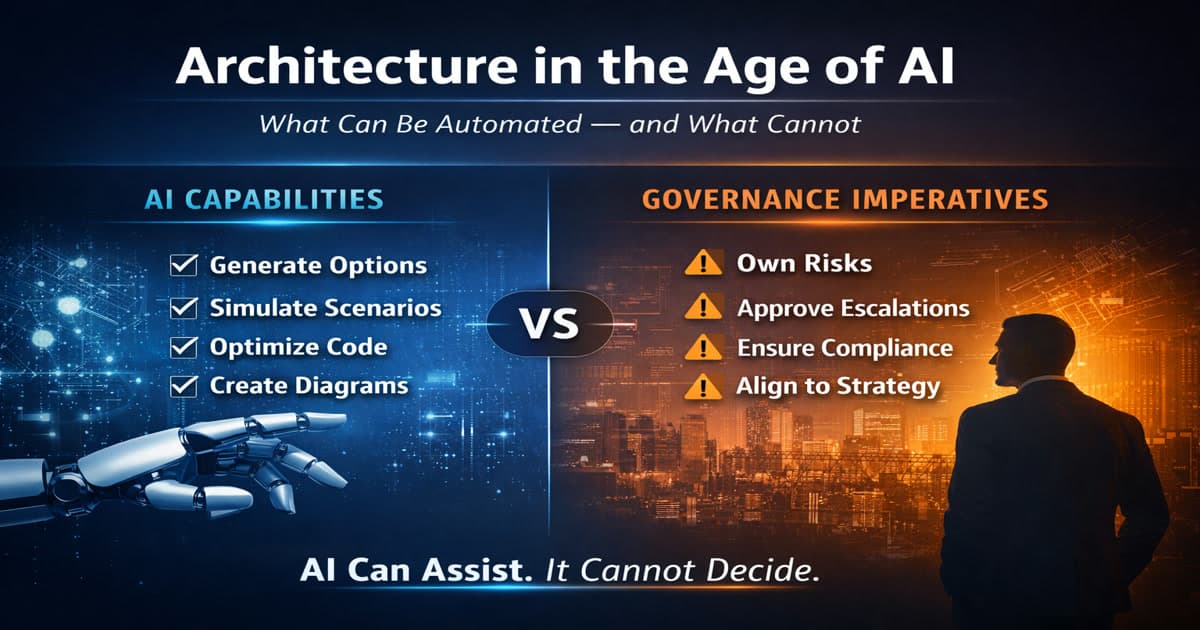
A governance-driven perspective explaining why software architecture cannot be automated because decision accountability and consequence ownership cannot be delegated to AI.
...bypass altitude constraints. Decision ownership becomes ambiguous. Audit trails weaken. Escalation boundaries blur. This is not an AI failure. It is a governance failure. Automation magnifies misalignment. The...
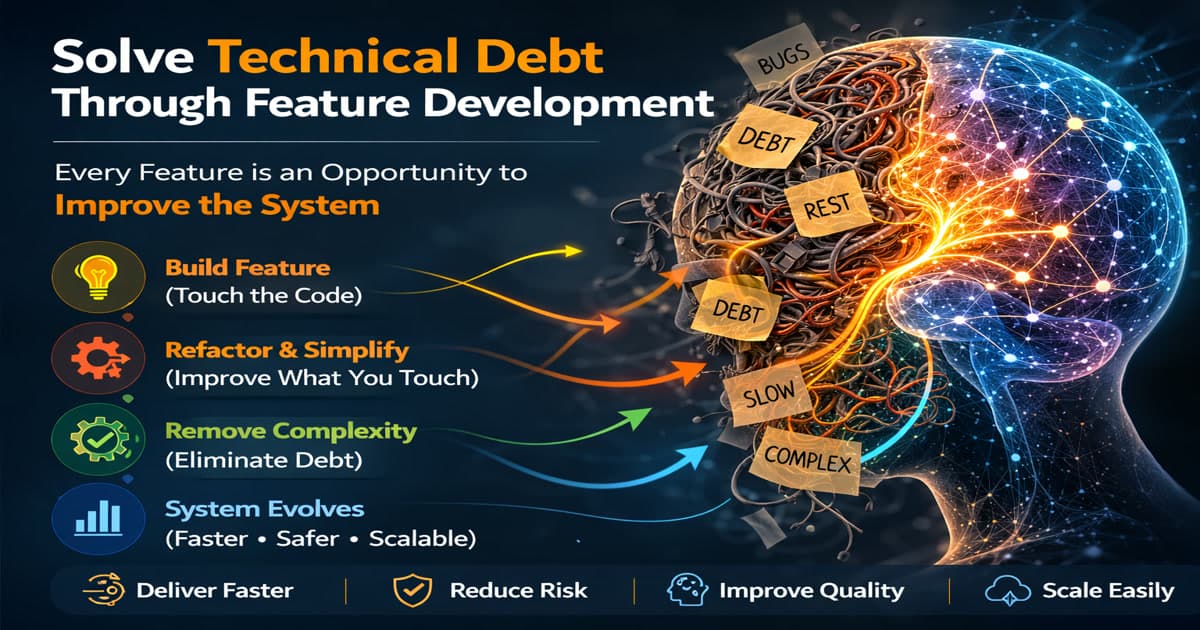
A practical framework explaining how organizations can systematically reduce technical debt while delivering new features, instead of running disruptive modernization programs.
...Slightly Feature delivery often reveals structural weaknesses. Examples: tightly coupled modules missing service boundaries duplicated logic fragile integrations Teams should be encouraged to extend the change slightly...
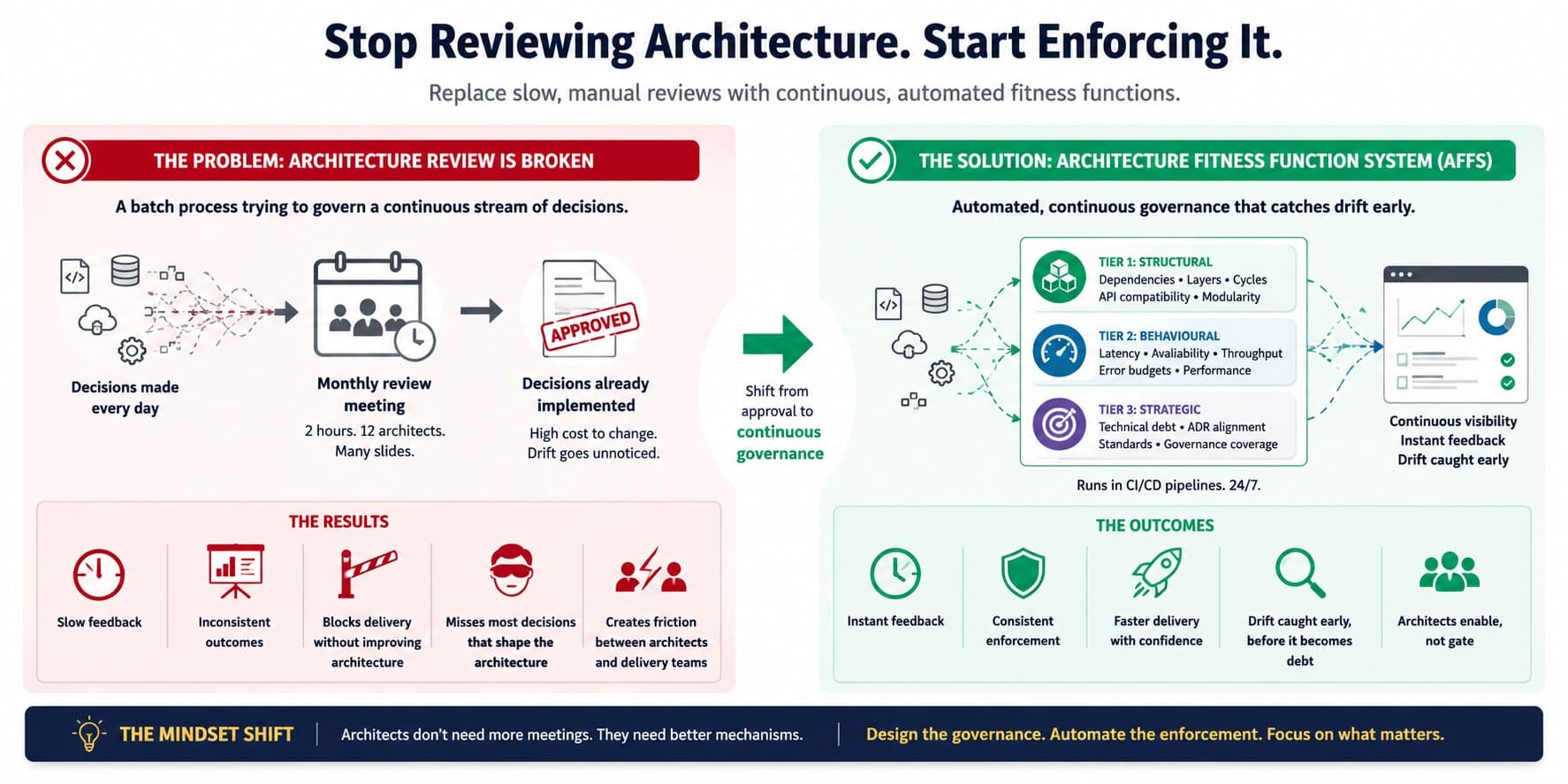
The architecture fitness function literature solved code-level governance. It never made the claim that the board itself becomes optional. Here is the missing argument — and the economics that prove the board is the slower and more expensive option.
...dependencies flow in the intended direction? Cyclical dependencies — has the cycle count increased? Module boundaries — is any module exceeding its defined responsibility scope? Public API surface — has any public...