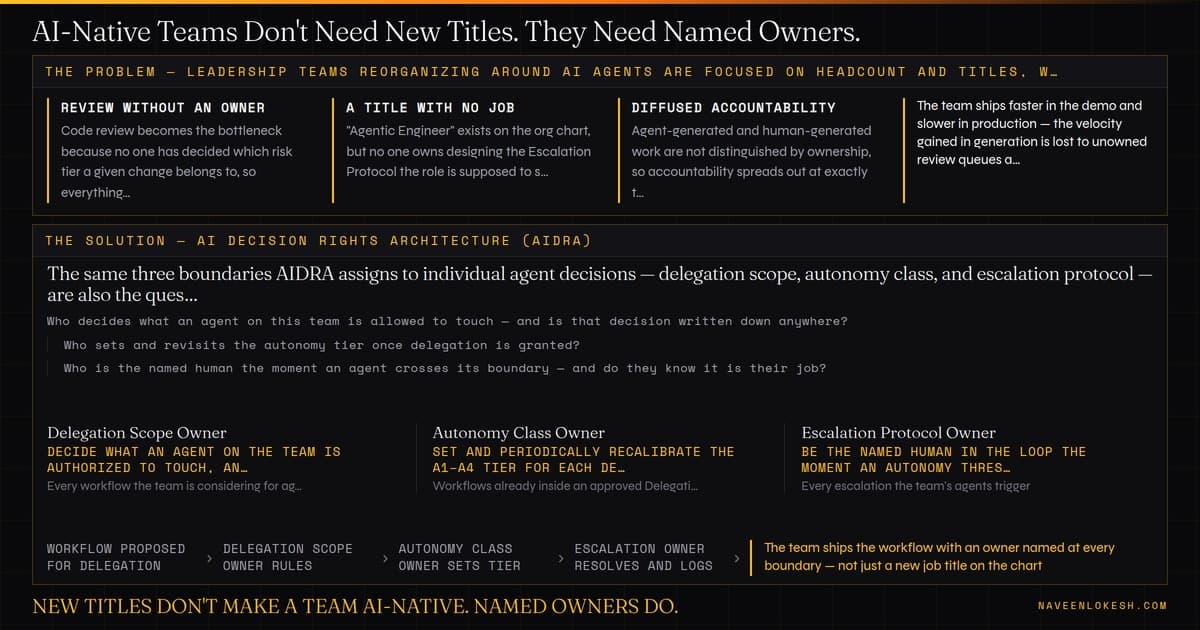
AI-native team redesigns keep adding new job titles and calling it done. The actual failure mode sits at the decision boundary. Here is what changes when you apply AIDRA to team design instead of headcount.
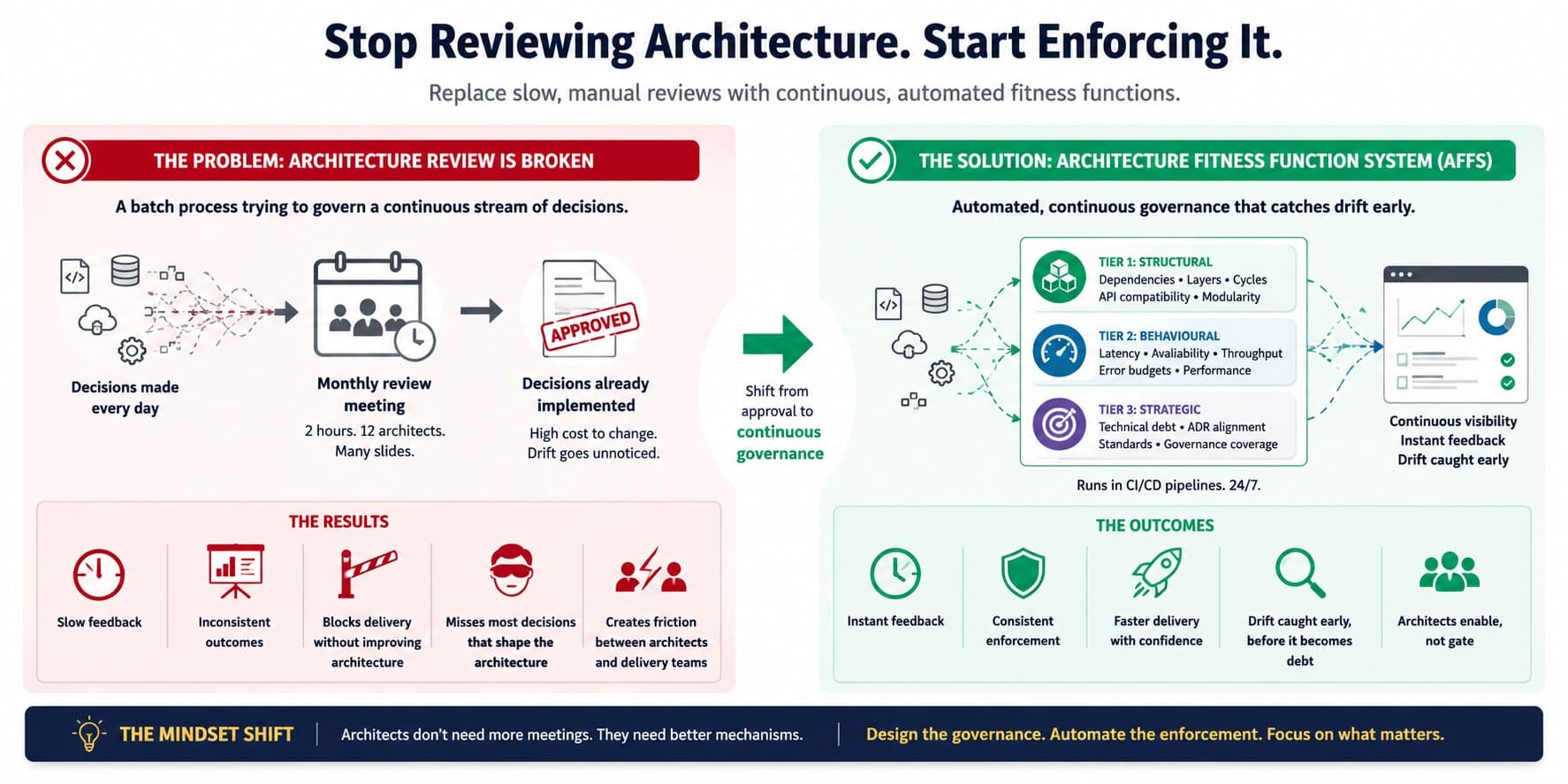
The architecture fitness function literature solved code-level governance. It never made the claim that the board itself becomes optional. Here is the missing argument — and the economics that prove the board is the slower and more expensive option.
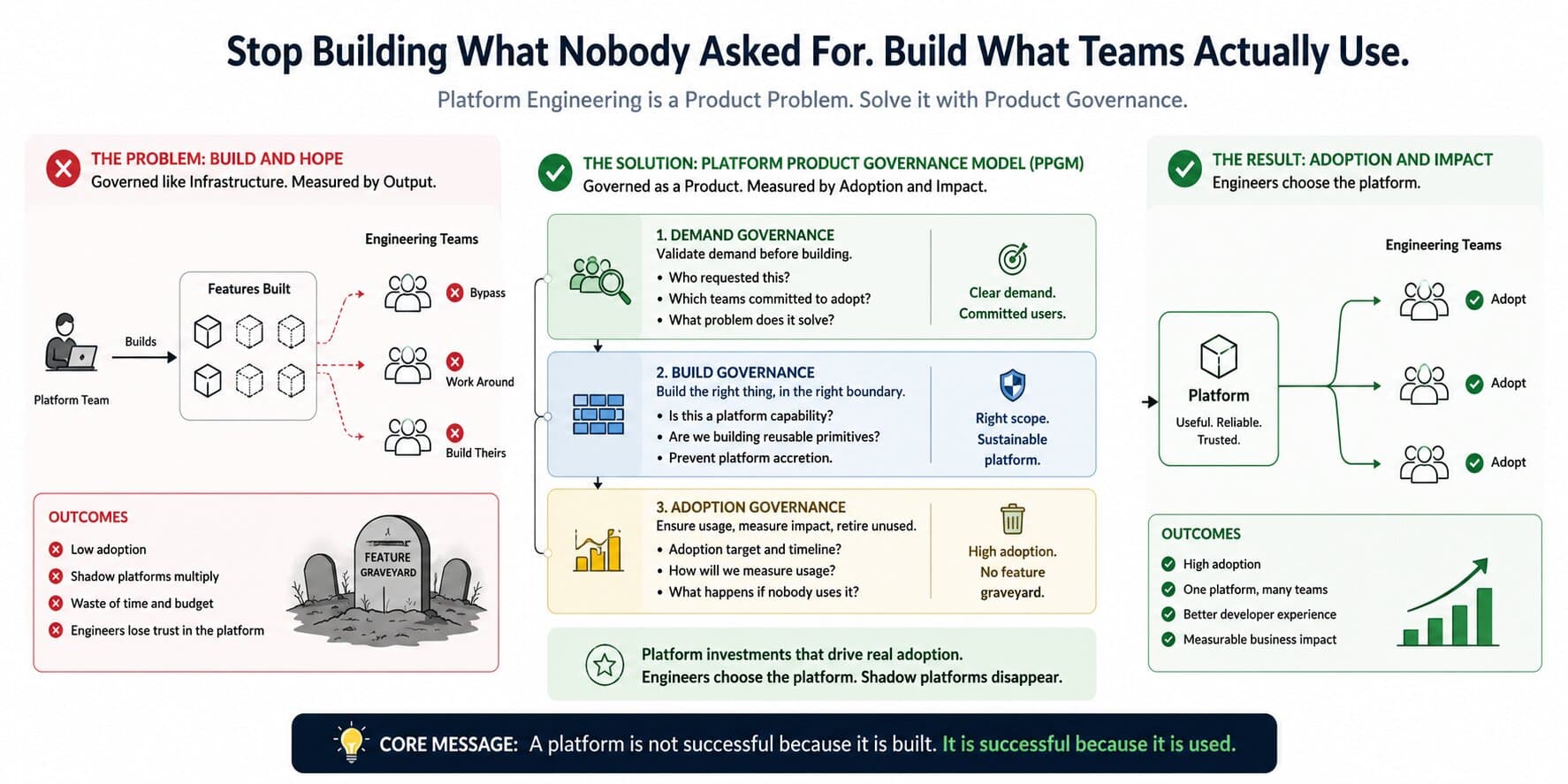
Most platform teams build internal products their engineering teams never chose. Platform adoption is not a marketing problem. It is a product governance problem. Here is the model that fixes it.
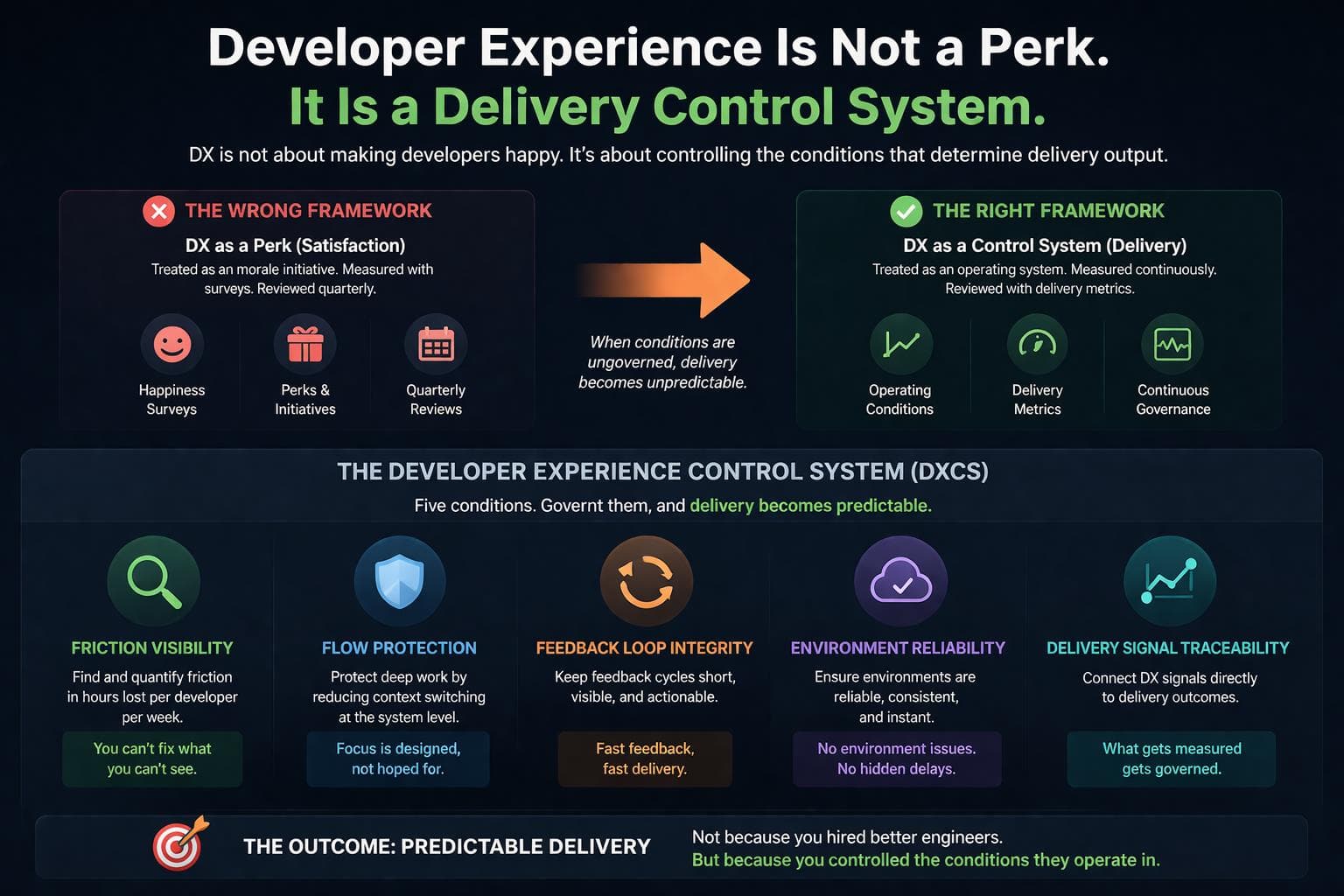
Developer experience is not about making developers happy. It is about controlling the conditions that determine delivery output. Organizations that treat DX as a perk have removed the control system from their delivery engine without knowing it.
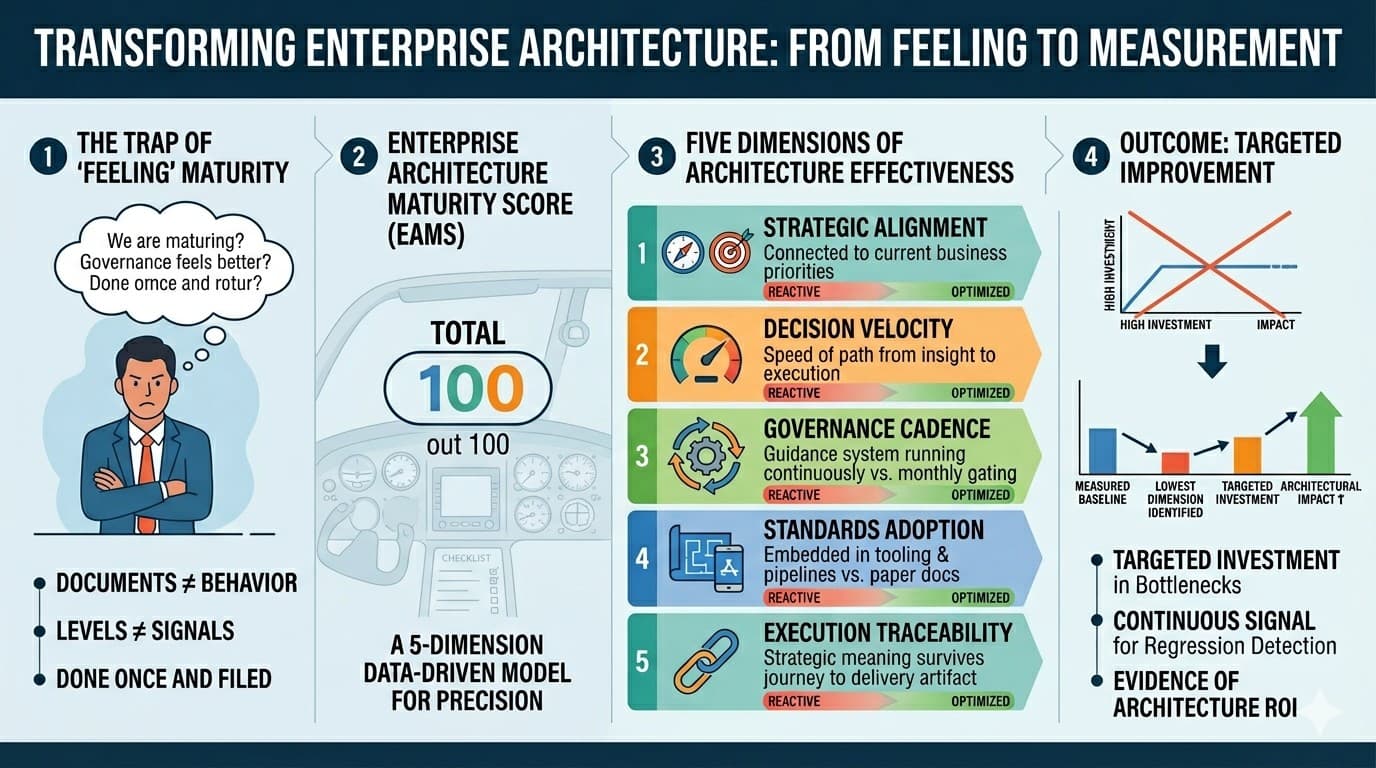
Enterprise architecture maturity is not a feeling. It is a score. Organizations that cannot measure their architecture maturity cannot improve it. The EAMS model gives you the score.
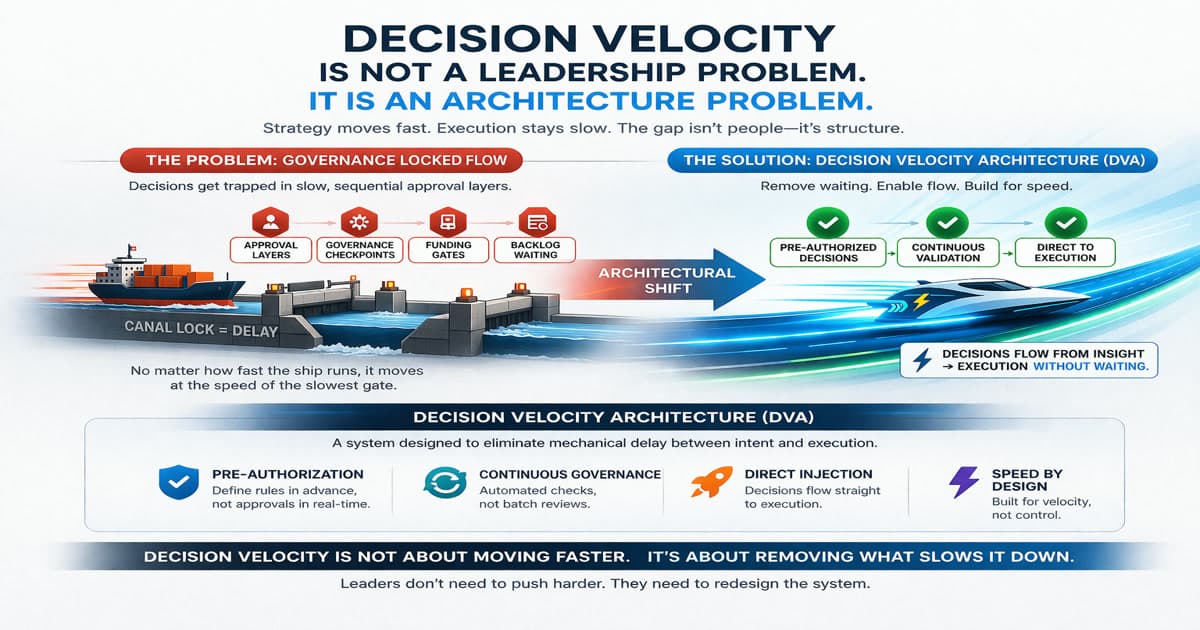
Decision velocity is not constrained by leadership intent but by architectural design. Governance systems built for slower eras create mechanical delay between insight and execution.
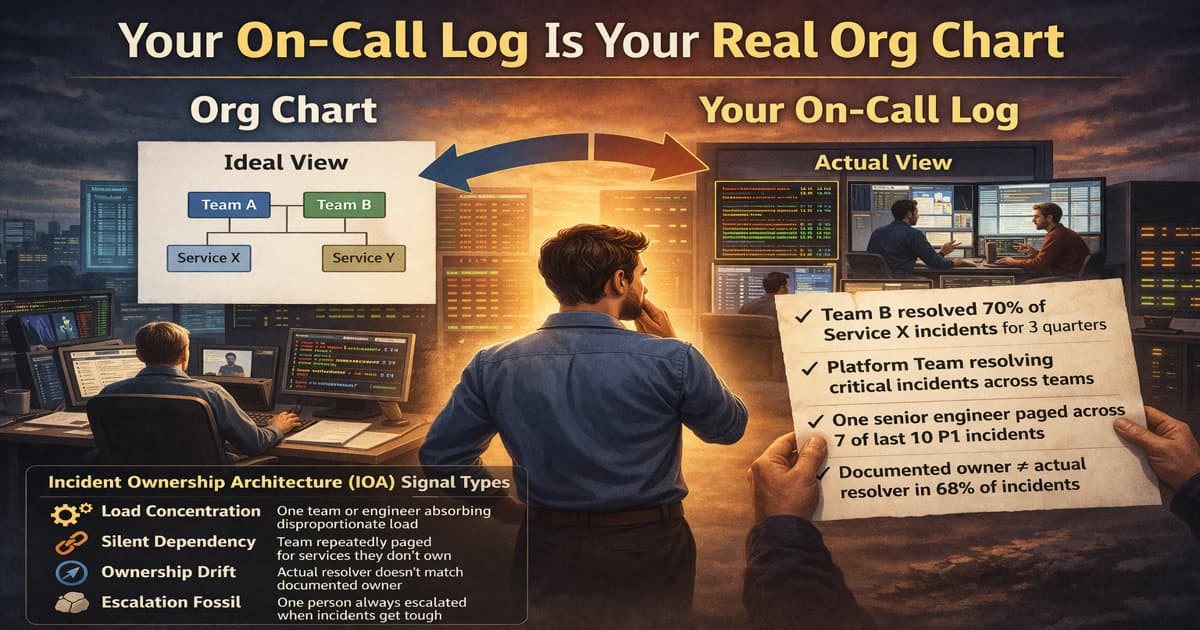
Why on-call rotation data is the most accurate org chart your engineering organisation has — and almost nobody uses it to make structural decisions.
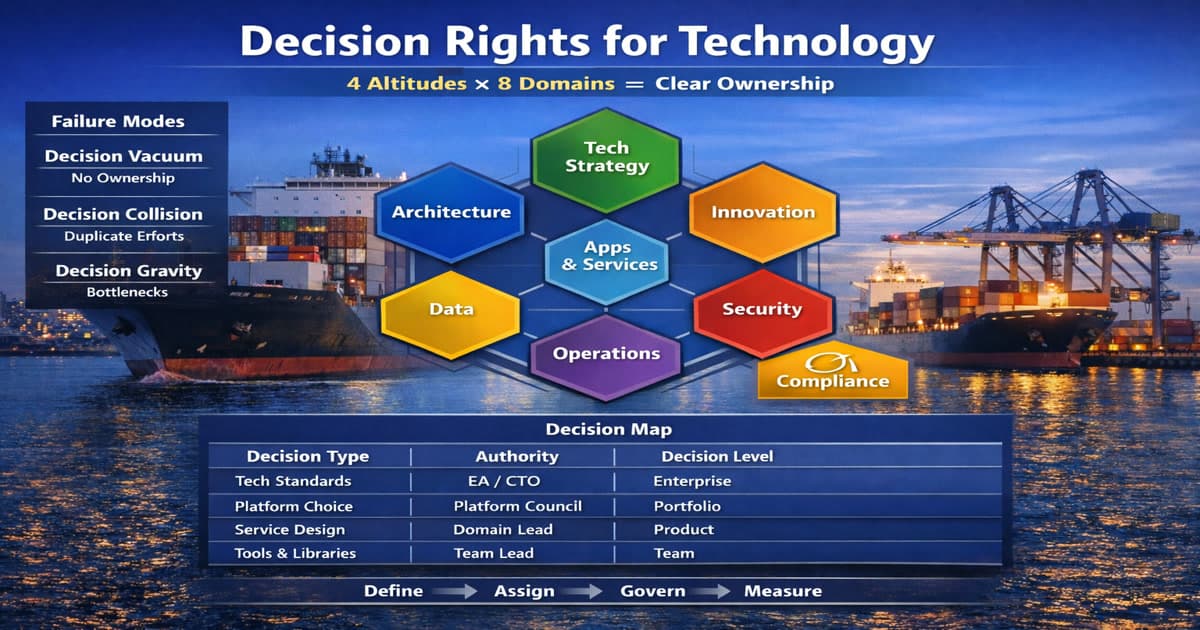
Why most enterprises confuse escalation ladders with decision rights — and how Technology Decision Domain Architecture maps exactly who decides what, at which altitude, before the conflict arrives.
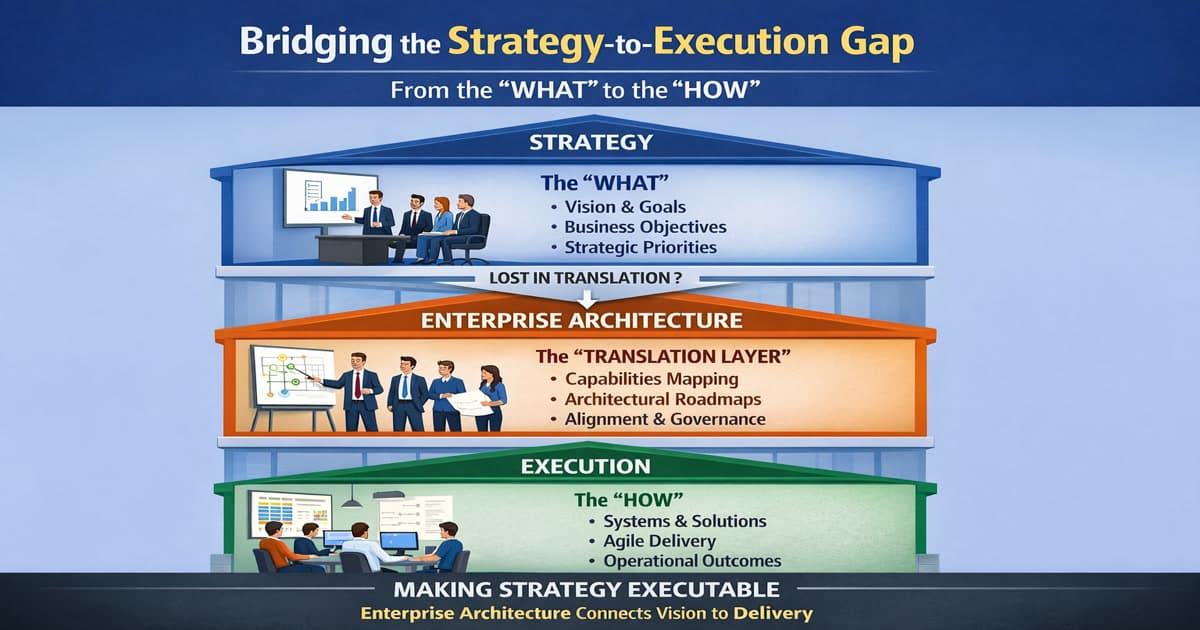
Why strategic intent evaporates before it reaches engineering teams — and how Enterprise Architecture creates the translation layer that makes organizational strategy executable.
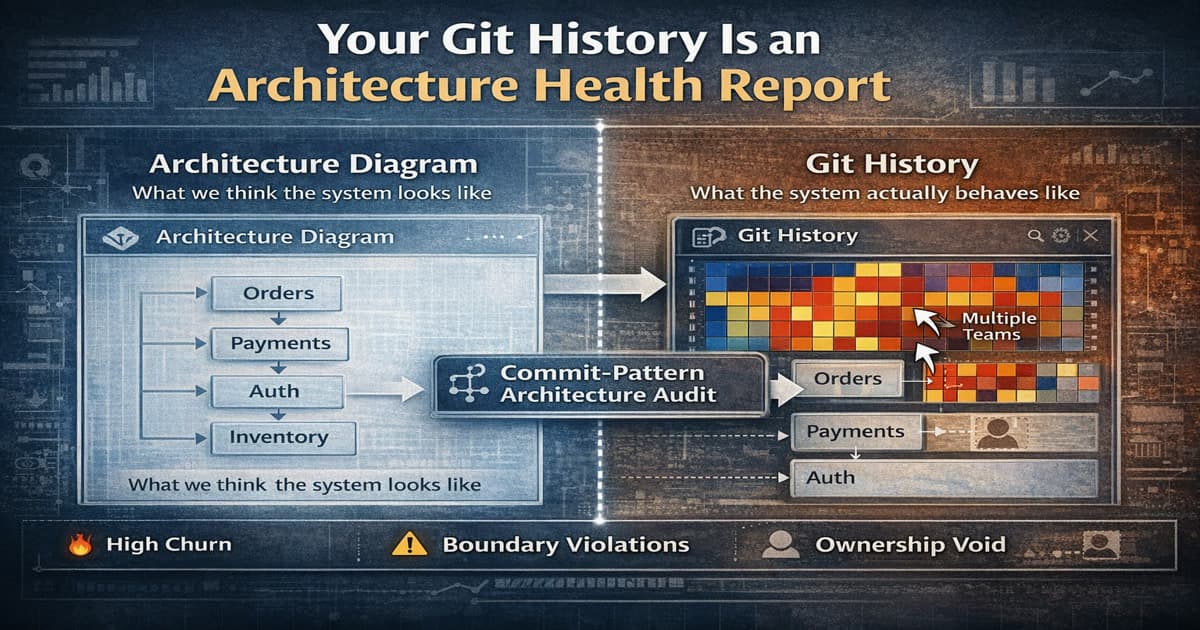
A practical architecture technique showing how Git commit patterns reveal structural instability, boundary violations, and ownership gaps in software systems.