This week, five organizations in New Zealand and Australia posted jobs titled "AI Governance" — not AI Strategy, not Enterprise Architecture. Here is what those job descriptions are missing, and how AIDRA fills the gap.
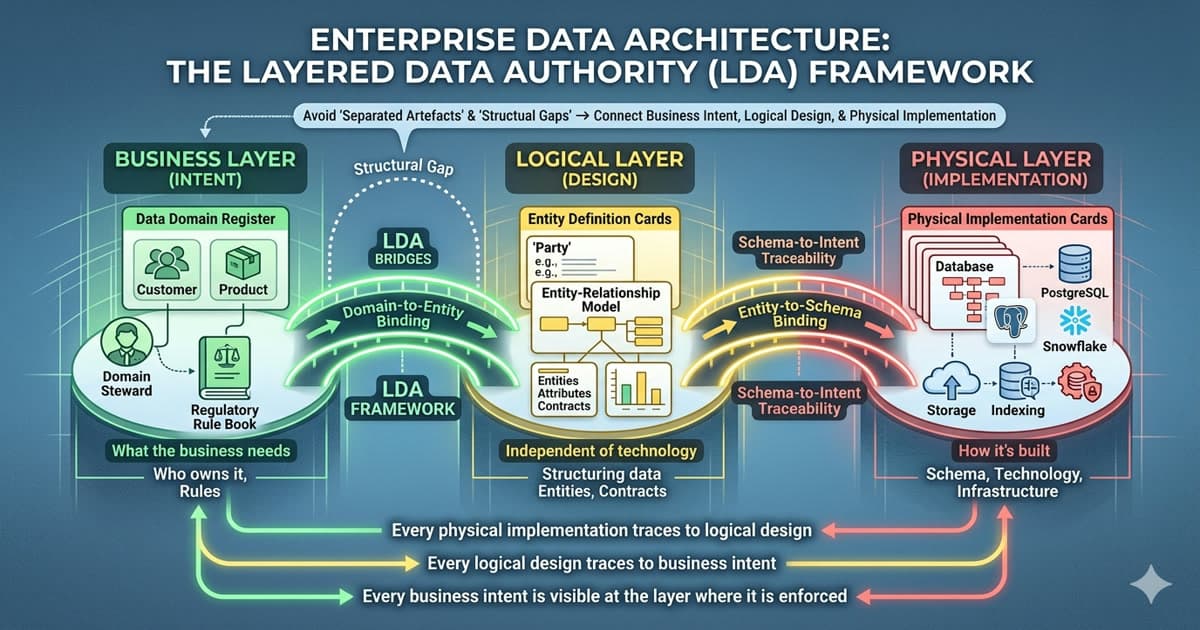
Most enterprises build data architectures one layer at a time. Business, logical, and physical layers exist as separate artefacts owned by separate teams. That separation is the structural gap that makes data estates ungovernable.
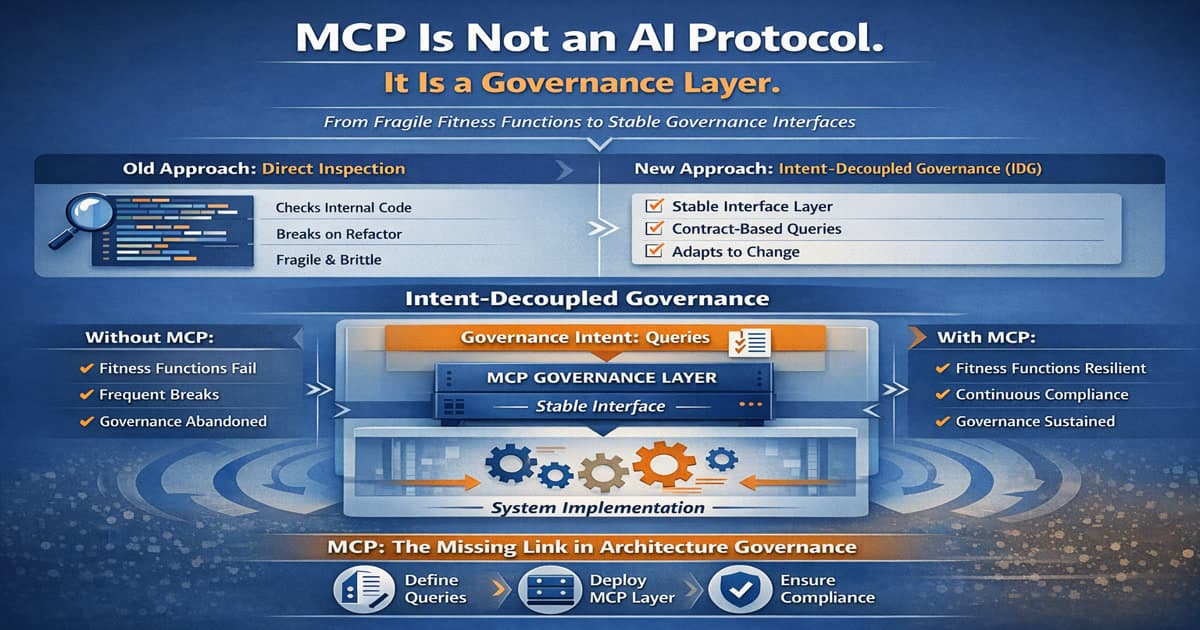
MCP is classified as an AI integration protocol. It is actually a governance primitive — the stable interface layer that architecture fitness functions have been missing for years.
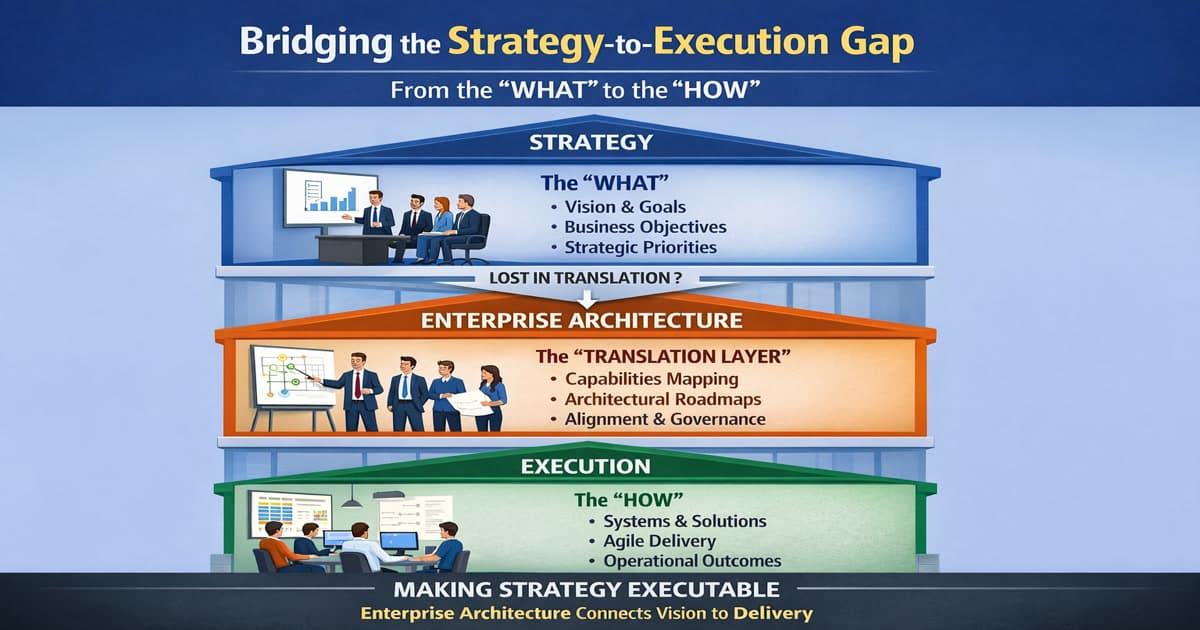
Why strategic intent evaporates before it reaches engineering teams — and how Enterprise Architecture creates the translation layer that makes organizational strategy executable.
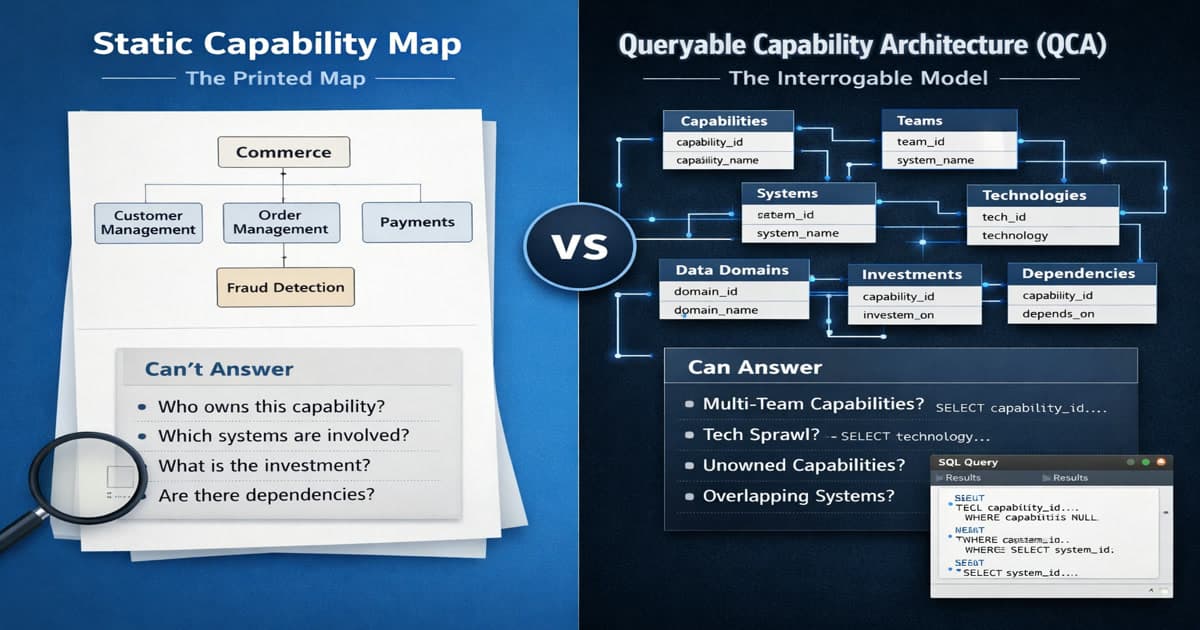
Why traditional capability maps fail to support governance decisions and how Queryable Capability Architecture turns static maps into interrogable decision systems.
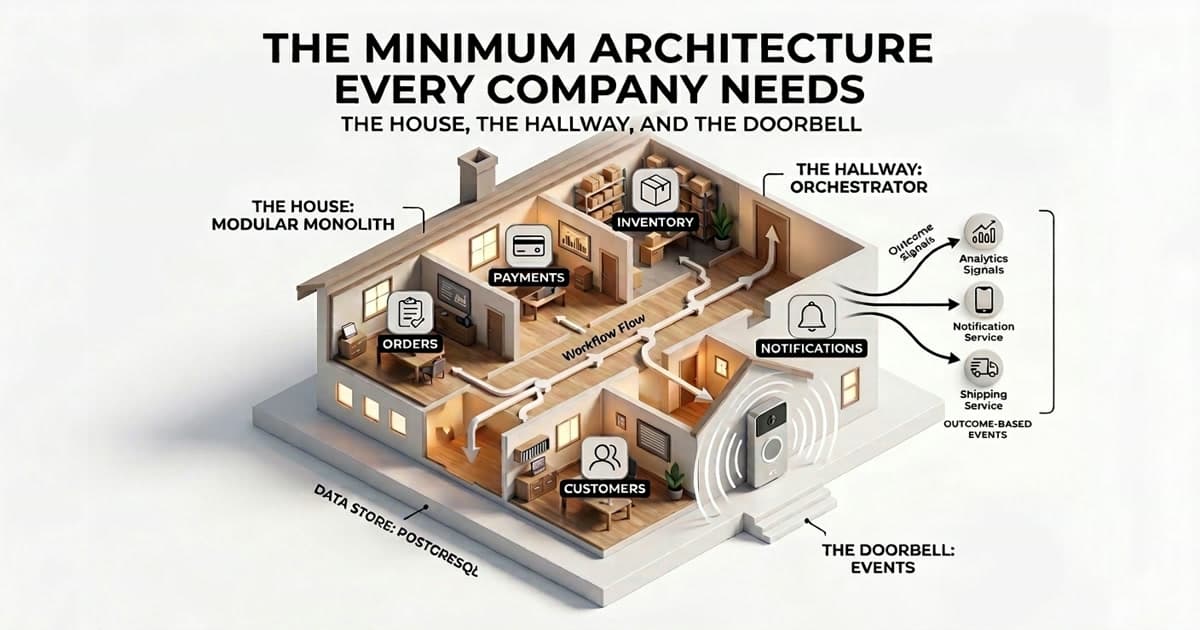
A practical architectural model explaining why most companies only need a modular monolith, a workflow orchestrator, and outcome-based events.
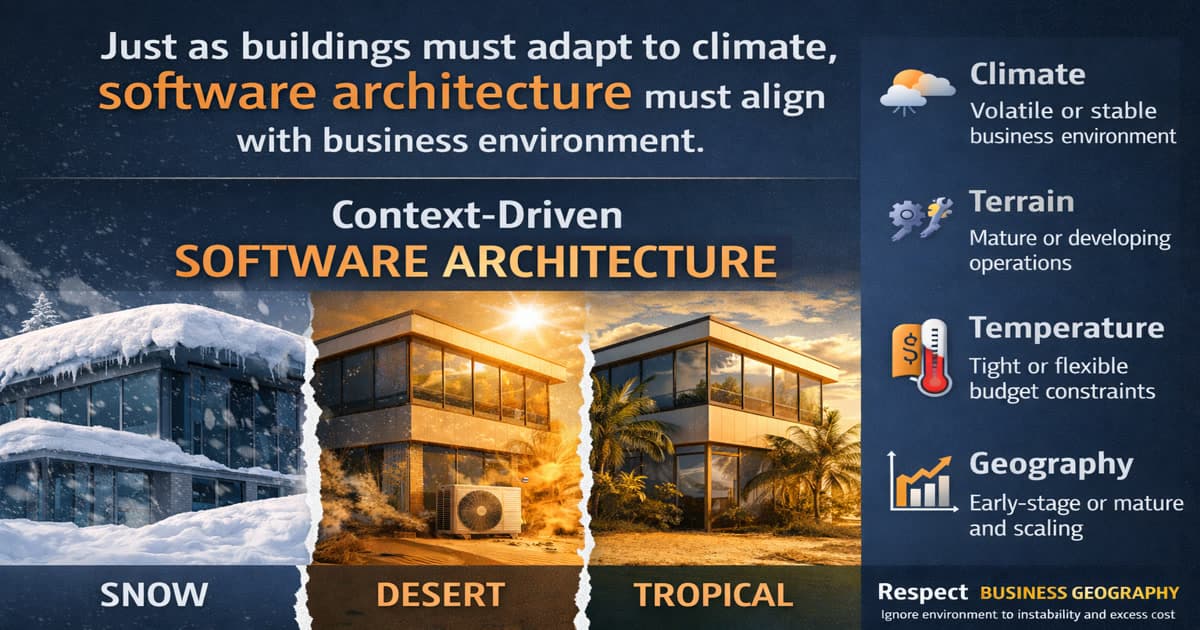
Just as buildings must adapt to snow, desert, or tropical climates, software architecture must align with business geography to improve predictability and reduce complexity.
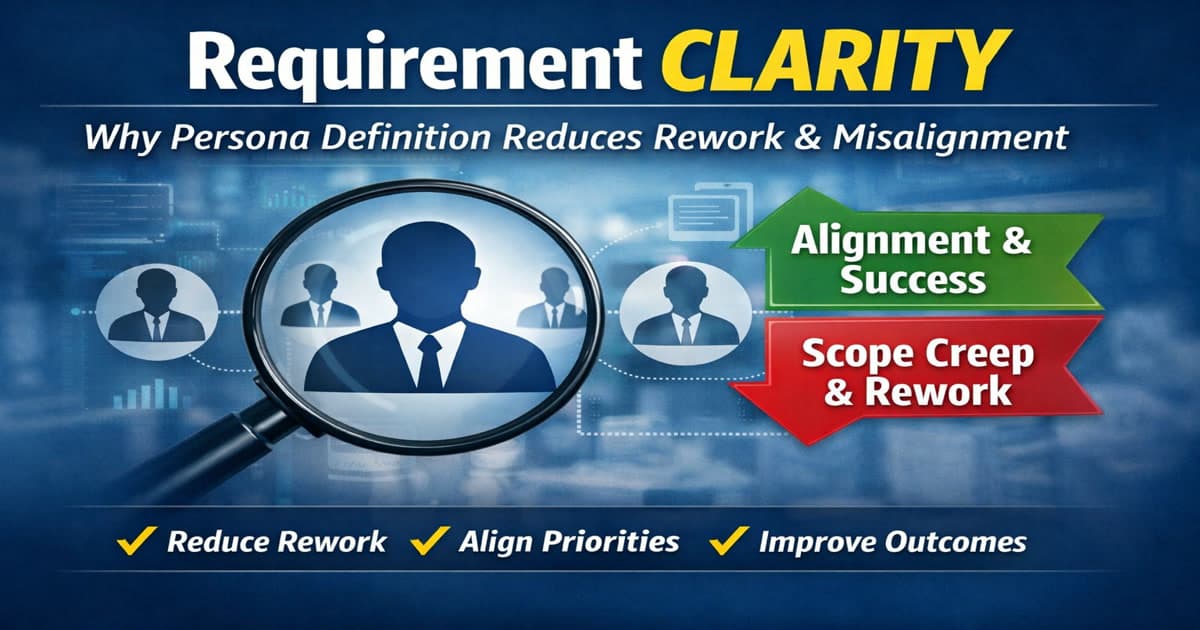
A structured framework for defining personas that eliminates scope creep, reduces rework, and aligns engineering delivery with actual user needs — before development begins.