Search
Find insights, training programs, and workshops
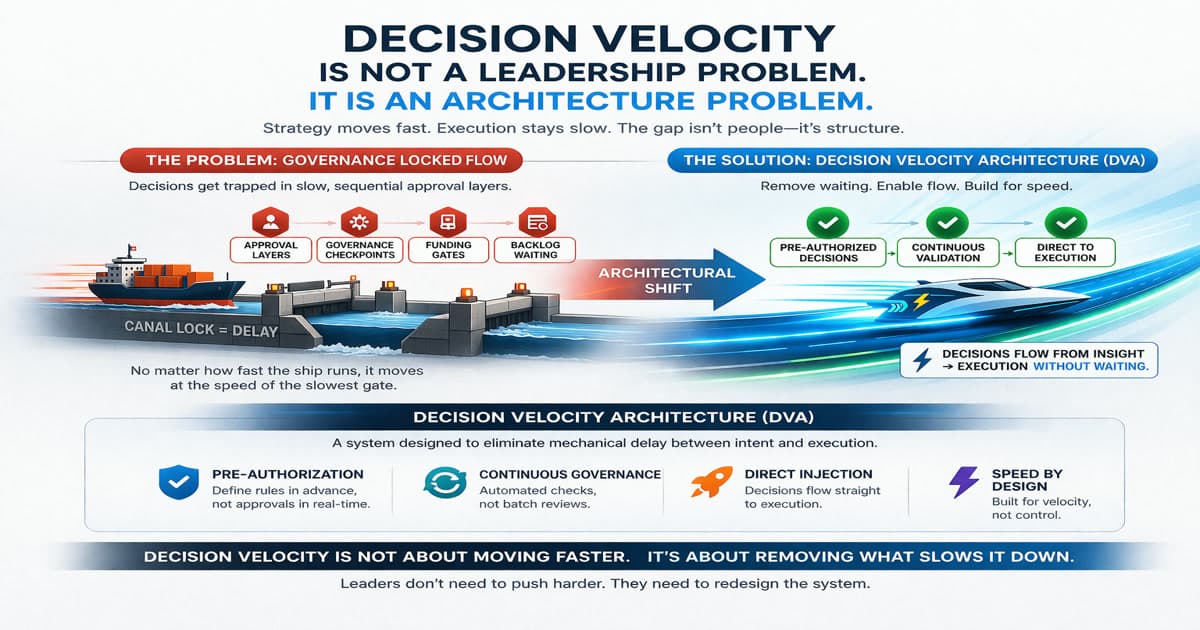
Decision velocity is not constrained by leadership intent but by architectural design. Governance systems built for slower eras create mechanical delay between insight and execution.
...just inherited architecture. The Mechanical Causes of Delay Approval layers create waiting because authority is unclear or duplicated Governance checkpoints slow down decisions because they operate in...
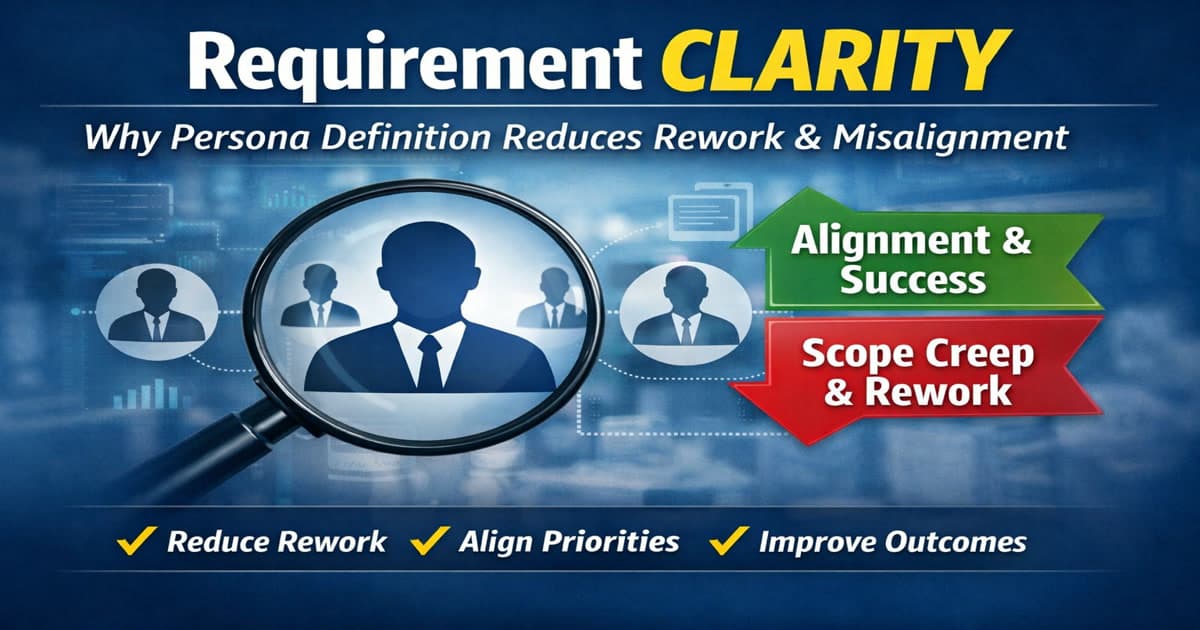
A structured framework for defining personas that eliminates scope creep, reduces rework, and aligns engineering delivery with actual user needs — before development begins.
...marketing activity A one-time workshop A documentation artifact As a result: Personas lack decision authority clarity Objectives are not measurable KPIs are missing Requirements are not traceable In...
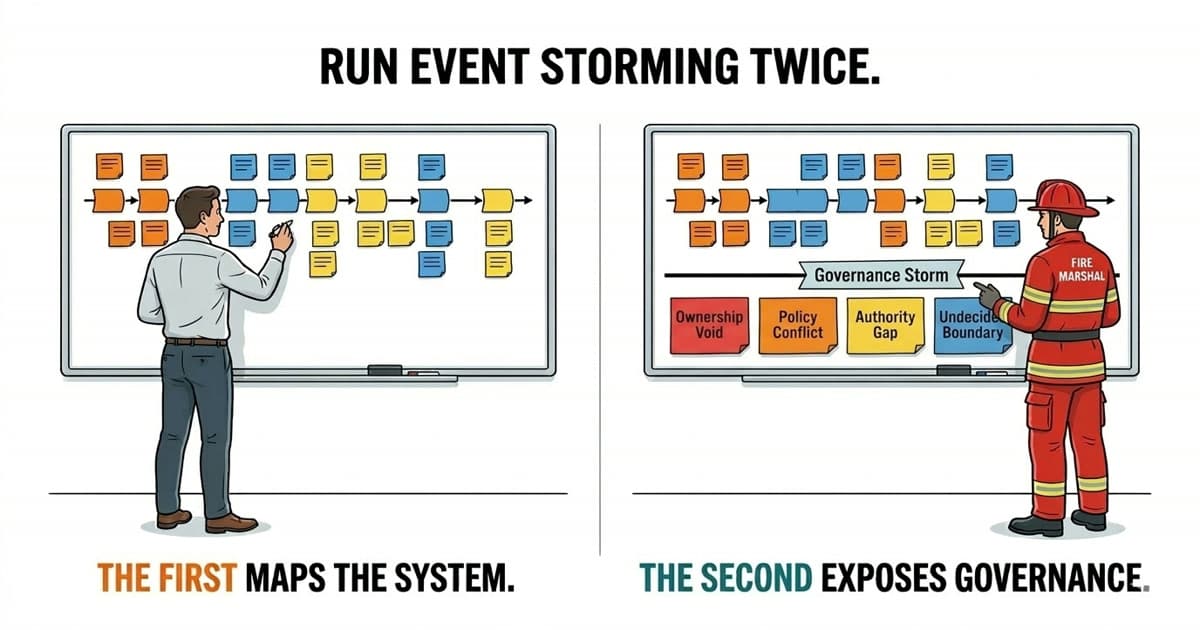
Why the second run of an Event Storming workshop — the one most teams never attempt — is the fastest way to surface governance gaps that architecture diagrams will never show.
...decided this stairwell would stay locked? What happens if this corridor fills with smoke and nobody has authority to open that door? The architect produced an accurate map. The fire marshal found every decision...
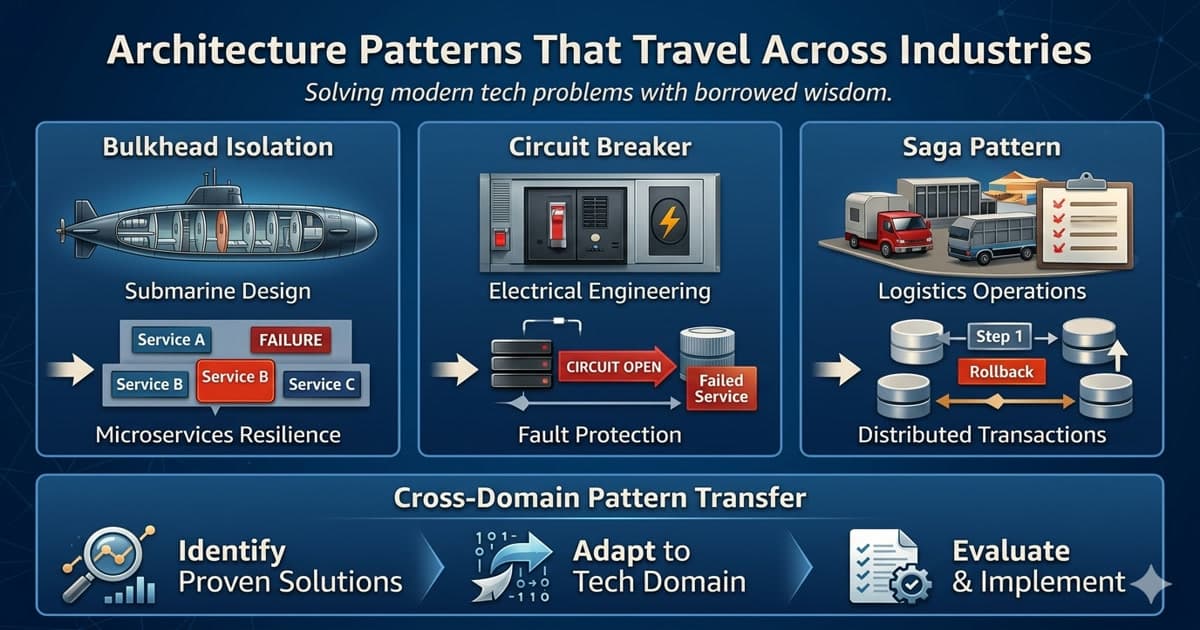
The patterns that solve your hardest distributed systems problems were already solved — in a submarine, a postal sorting office, and an electrical panel. Most architects never look.
...Pattern A long-distance freight transaction involves dozens of parties. A shipper. A carrier. A customs authority. A port operator. A destination warehouse. Each step is discrete. Each can fail independently. And...
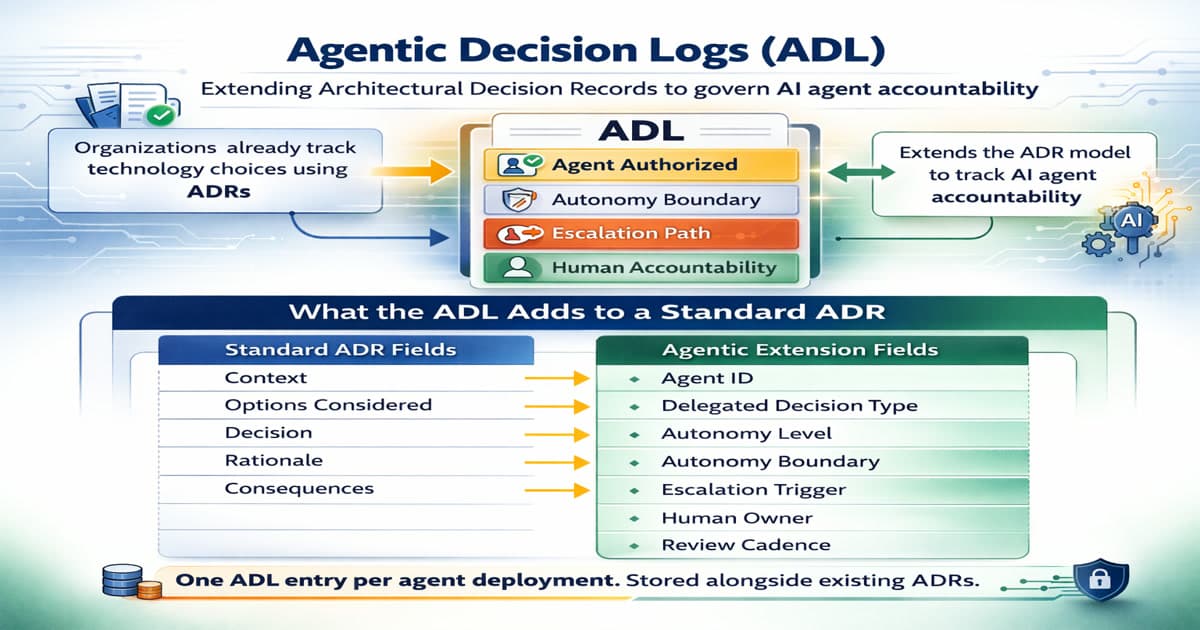
Why Architectural Decision Records are the only structure most organizations already have that can govern AI agent accountability — and how to extend them into an Agentic Decision Log before the EU AI Act deadline.
...new framework. It is the ADR model applied to a new category of decision: the decision to delegate authority to an AI agent. Where an ADR records why a human team chose one architecture over another,...
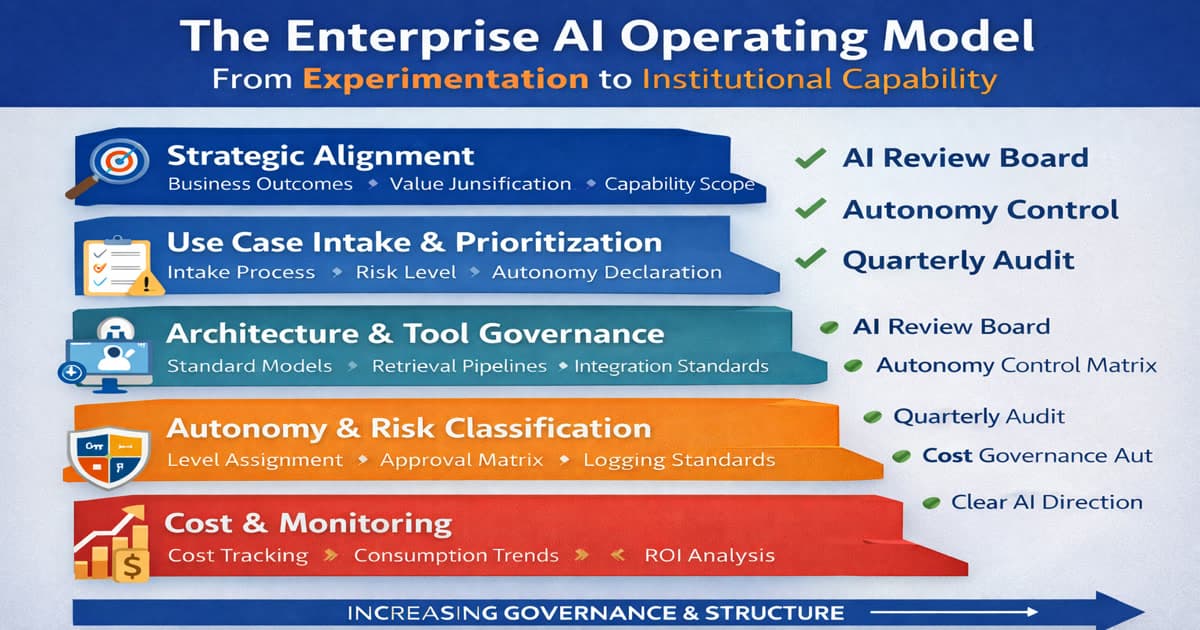
A structured executive guide explaining how to move from AI experimentation to an Enterprise AI Operating Model with governance, autonomy control, and cost discipline.
...Classification Every AI capability must be classified as: Creation (Generative) Execution (Agent) Delegated Decision Authority (Agentic) Each category requires: Defined boundaries Escalation rules Approval checkpoints...
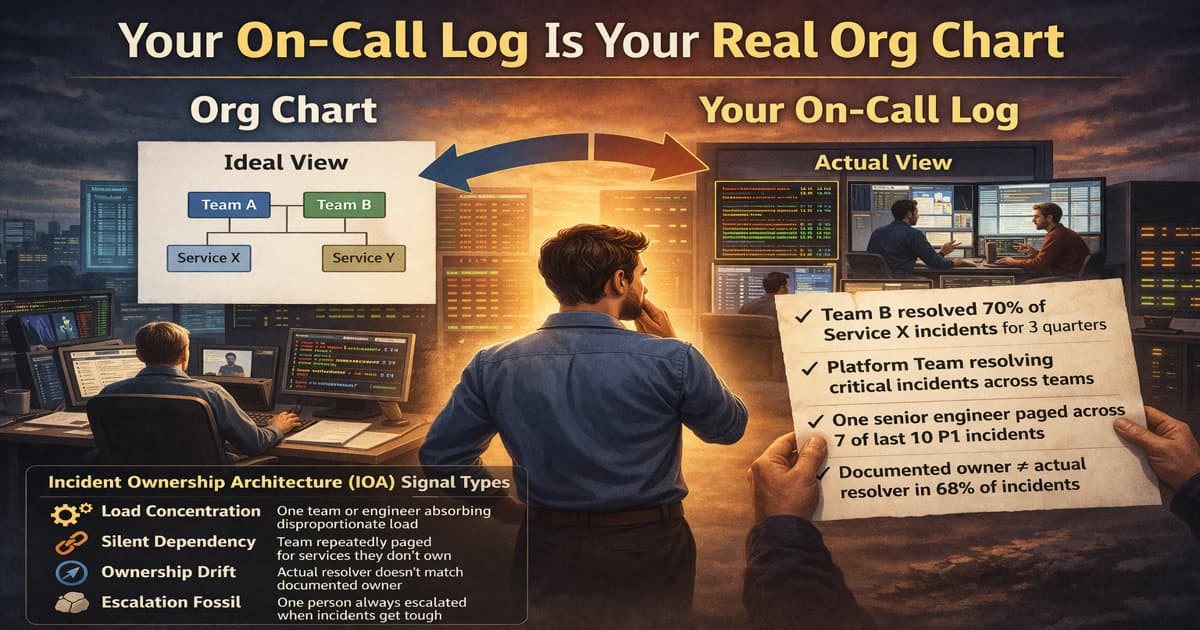
Why on-call rotation data is the most accurate org chart your engineering organisation has — and almost nobody uses it to make structural decisions.
...structural gap — a place where the org design created ownership on paper but did not build the redundancy or authority to sustain it in practice. Load Concentration looks like a reliable team. It is actually...
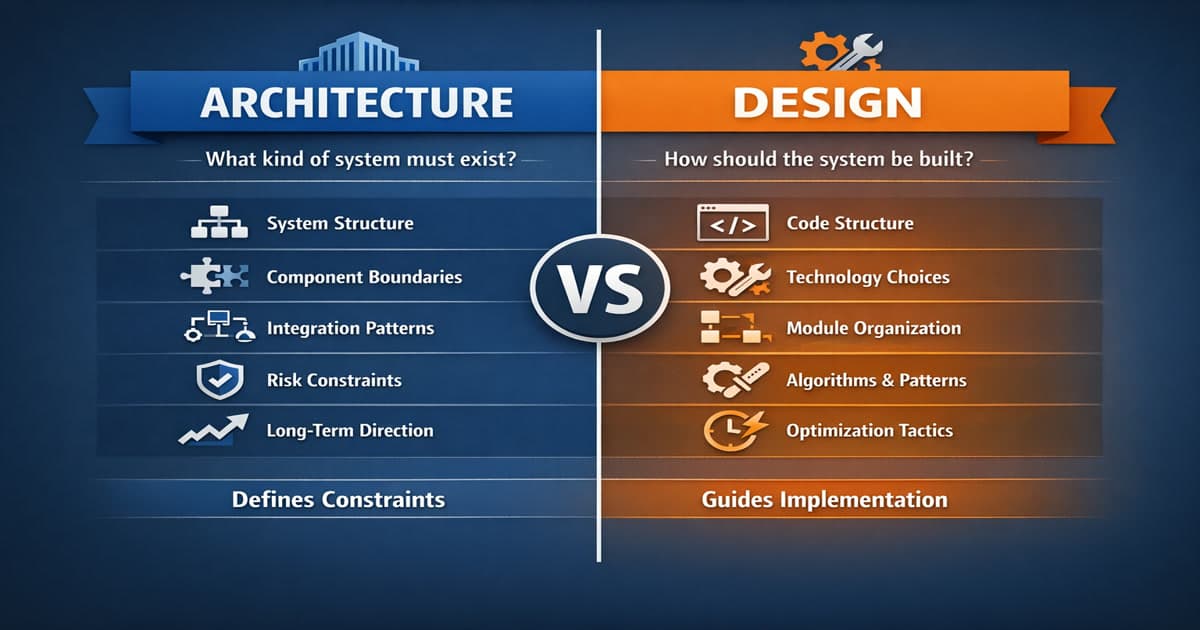
A clear explanation of the difference between architecture and design, why organizations confuse them, and how this confusion creates structural instability in technology systems.
...becomes overloaded. Every technical choice is labeled architectural. This dilutes real architectural authority. Governance loses focus. The Structural Separation Model Healthy organizations separate...
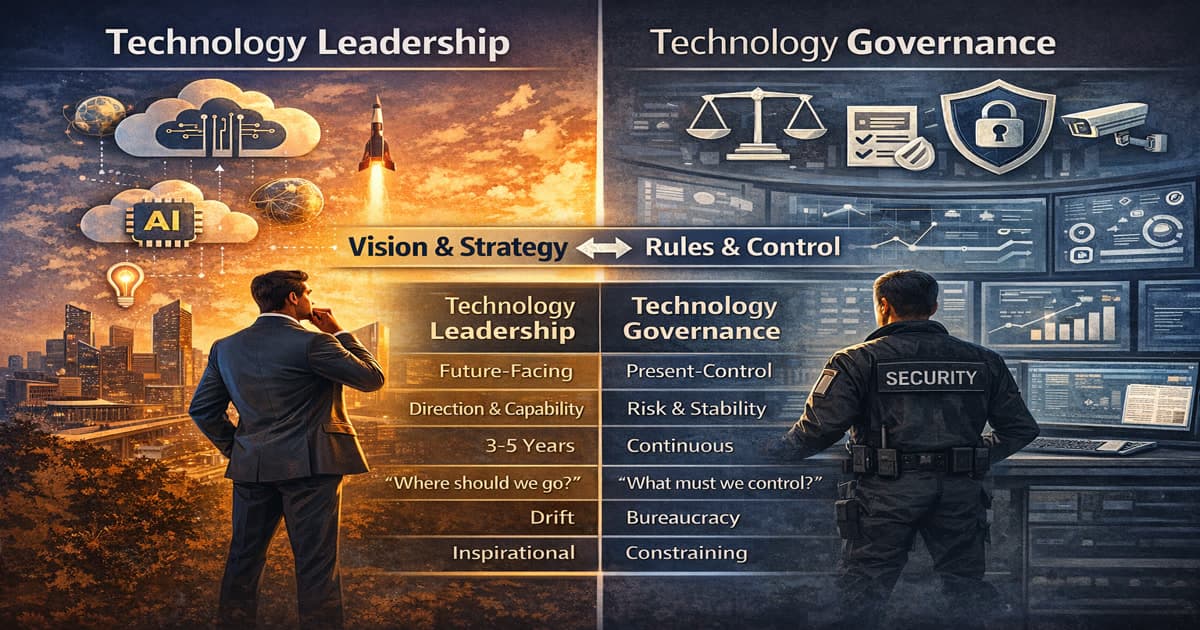
A structured executive guide explaining the difference between Technology Leadership and Technology Governance, and why confusing the two creates instability in enterprise execution.
...governance: Platform duplication increases Security exposure rises Technical debt accelerates Escalations multiply Authority becomes political Leadership without governance becomes chaotic. The Core Structural Distinction...
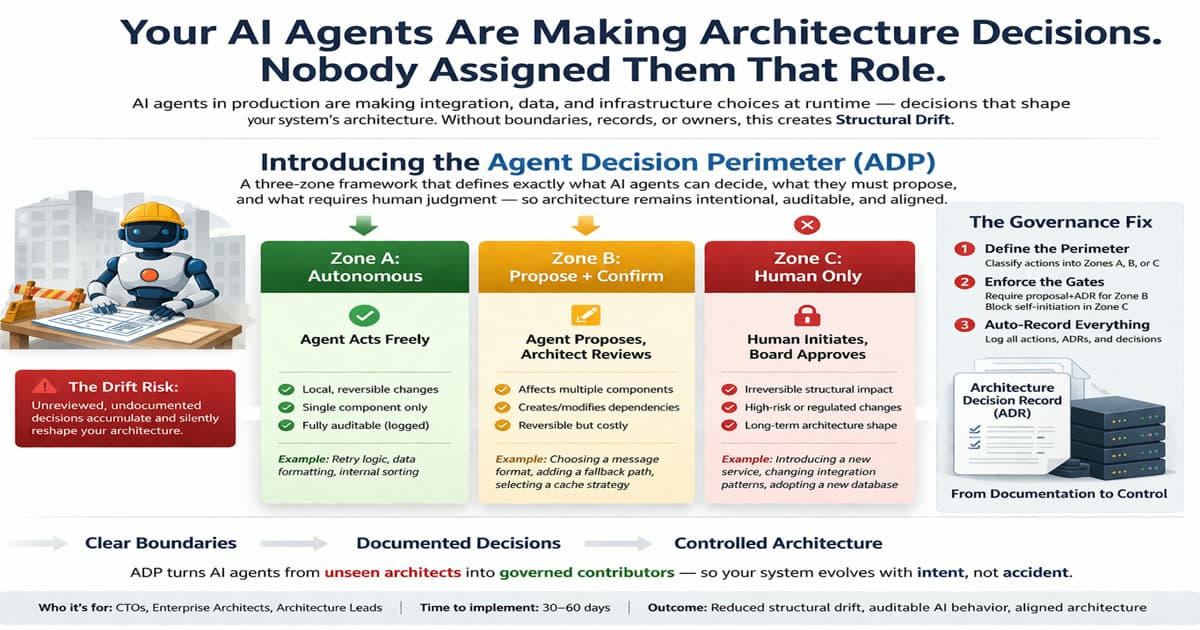
AI agents are making micro-architecture decisions in production. No ADR recorded them. No review board approved them. No architect ever saw them. Here is the structural fix.
...question is whether you have drawn the line that tells them — and your architects — exactly where their authority ends. Without that line, the footprint is already shifting. And undoing it will cost more...