Search
Find insights, training programs, and workshops
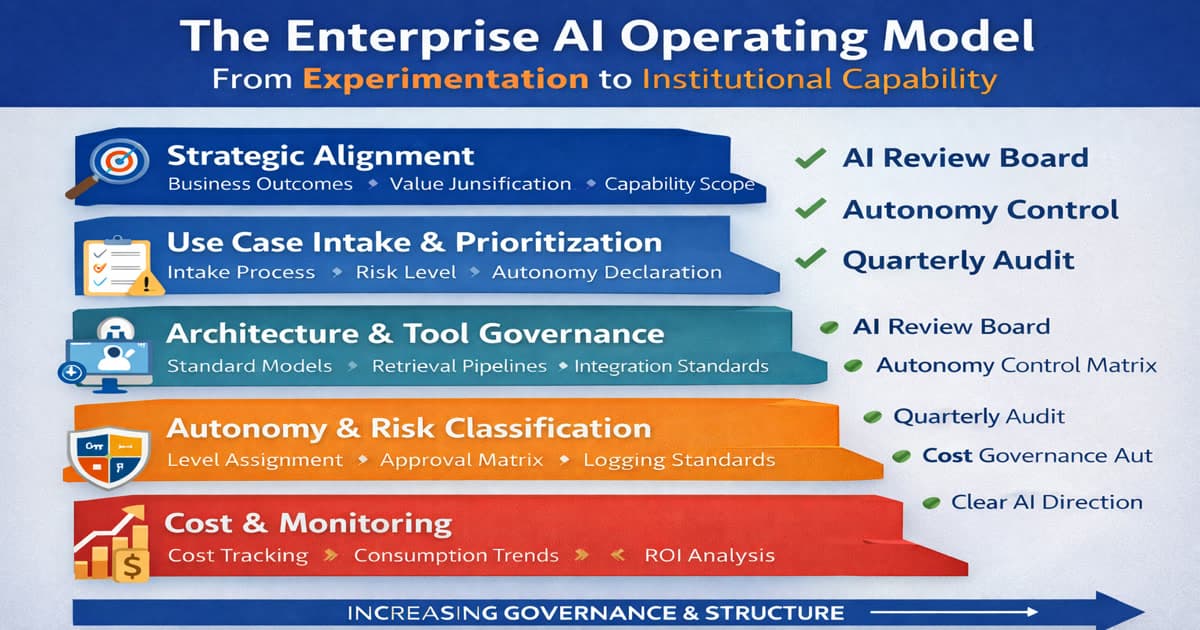
A structured executive guide explaining how to move from AI experimentation to an Enterprise AI Operating Model with governance, autonomy control, and cost discipline.
...governance or structural clarity Key outcome: A practical framework to institutionalize AI across strategy, architecture, autonomy, and cost control Time to implement: 60–90 days Business impact: Reduced...
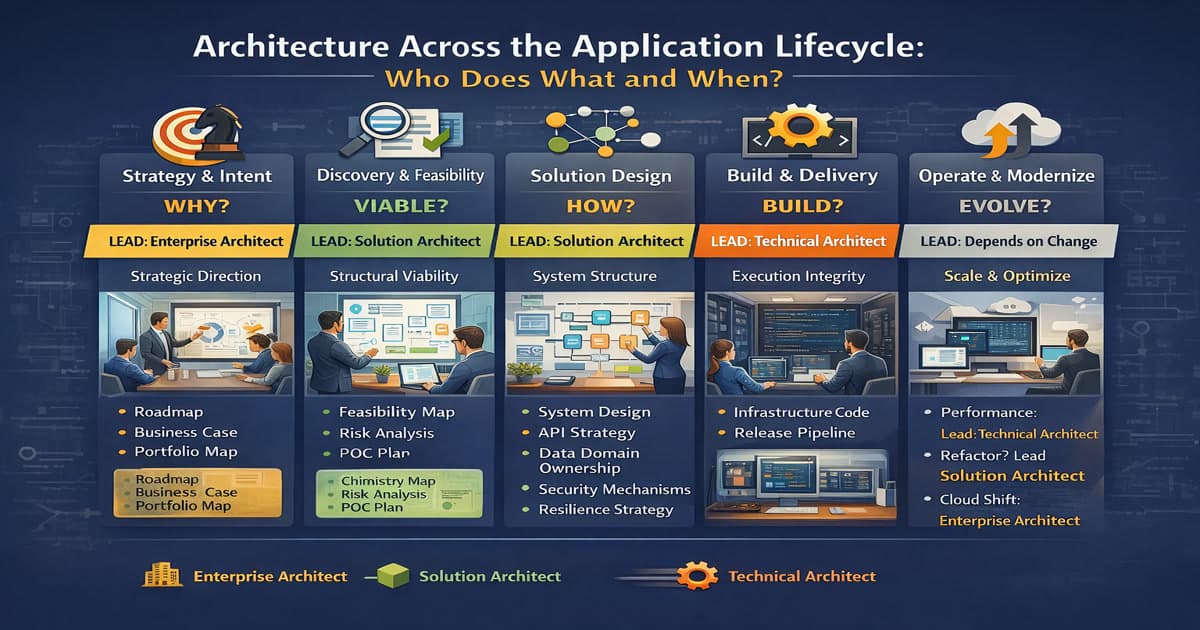
A practical guide explaining which type of architect is required at each stage of the application lifecycle to prevent governance friction and structural instability.
...Stages Every application — whether startup or enterprise — passes through five functional stages: Strategy & Intent Discovery & Feasibility Solution Design Build & Delivery Operate, Scale & Modernize...
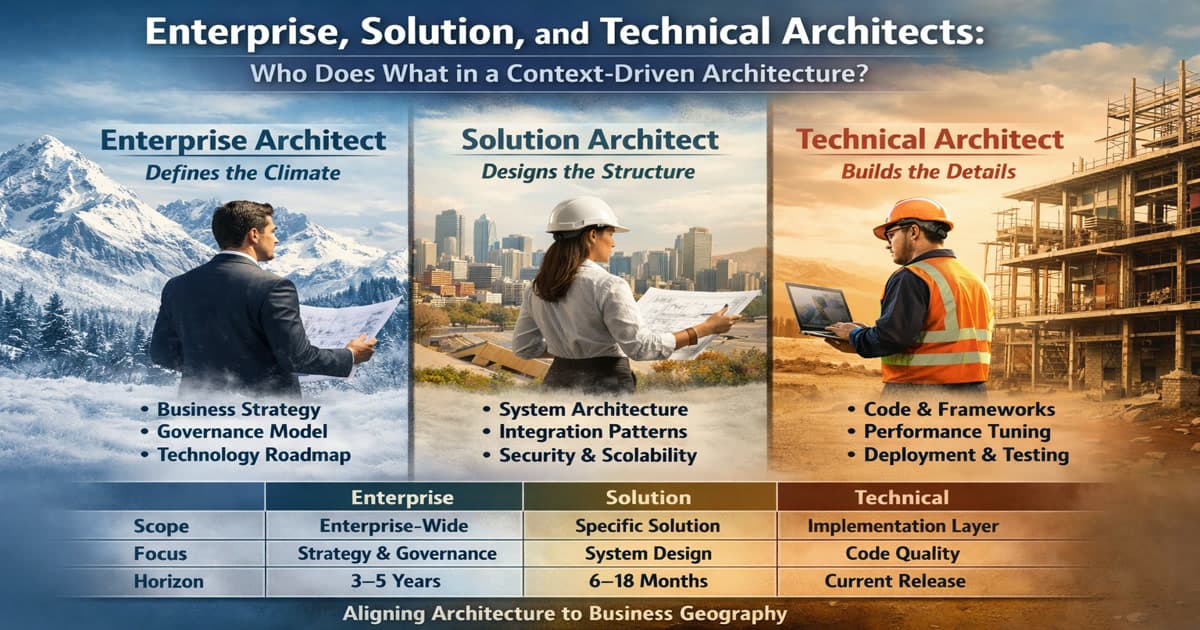
A structured executive guide explaining the difference between Enterprise, Solution, and Technical Architects using Context-Driven Architecture to clarify responsibilities and reduce structural misalignment.
...environmental level. They define: Target operating model Capability map Technology principles Platform strategy Governance structure Buy vs build posture Cloud and AI positioning They answer: “Given...
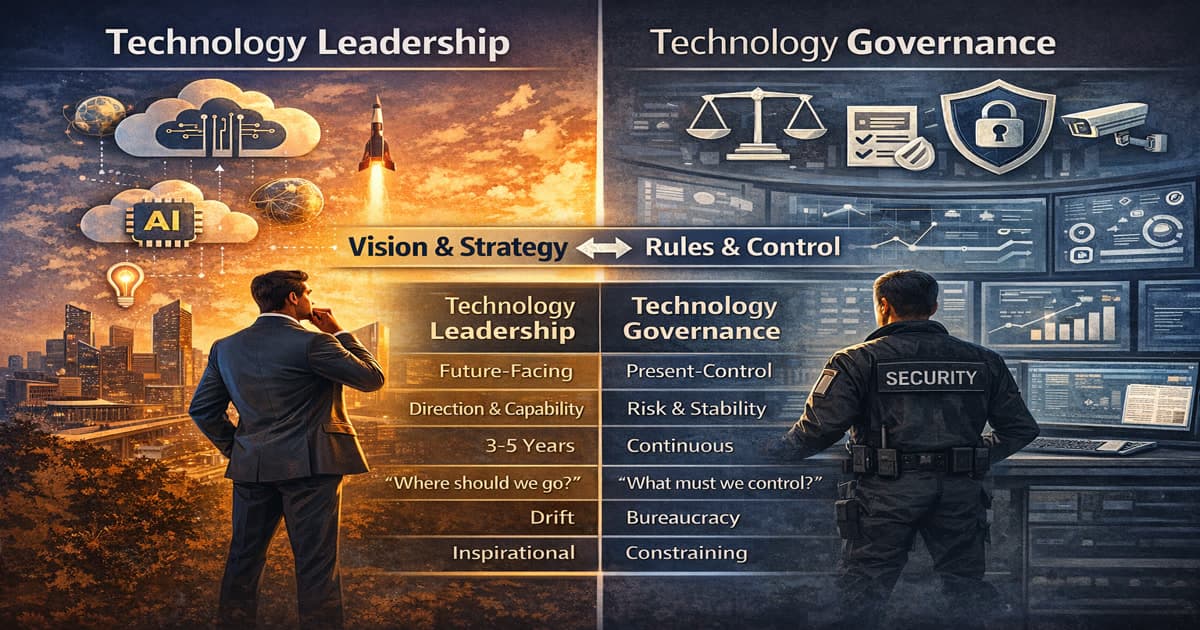
A structured executive guide explaining the difference between Technology Leadership and Technology Governance, and why confusing the two creates instability in enterprise execution.
...architecture evolve over 3–5 years? Leadership defines ambition. It aligns technology with business strategy. It creates movement. Characteristics of Technology Leadership Vision articulation Strategic...
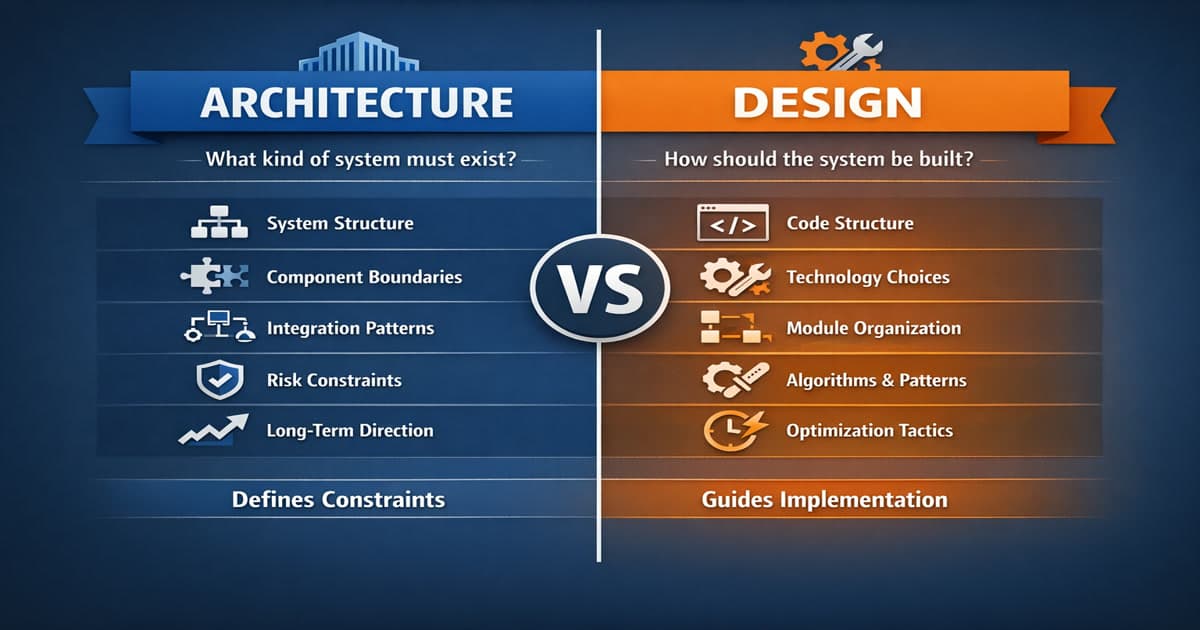
A clear explanation of the difference between architecture and design, why organizations confuse them, and how this confusion creates structural instability in technology systems.
...instability. Characteristics of Architecture Long-term structural decisions Cross-system impact Alignment with enterprise strategy Risk and scalability considerations Technology posture definition Architecture decisions...
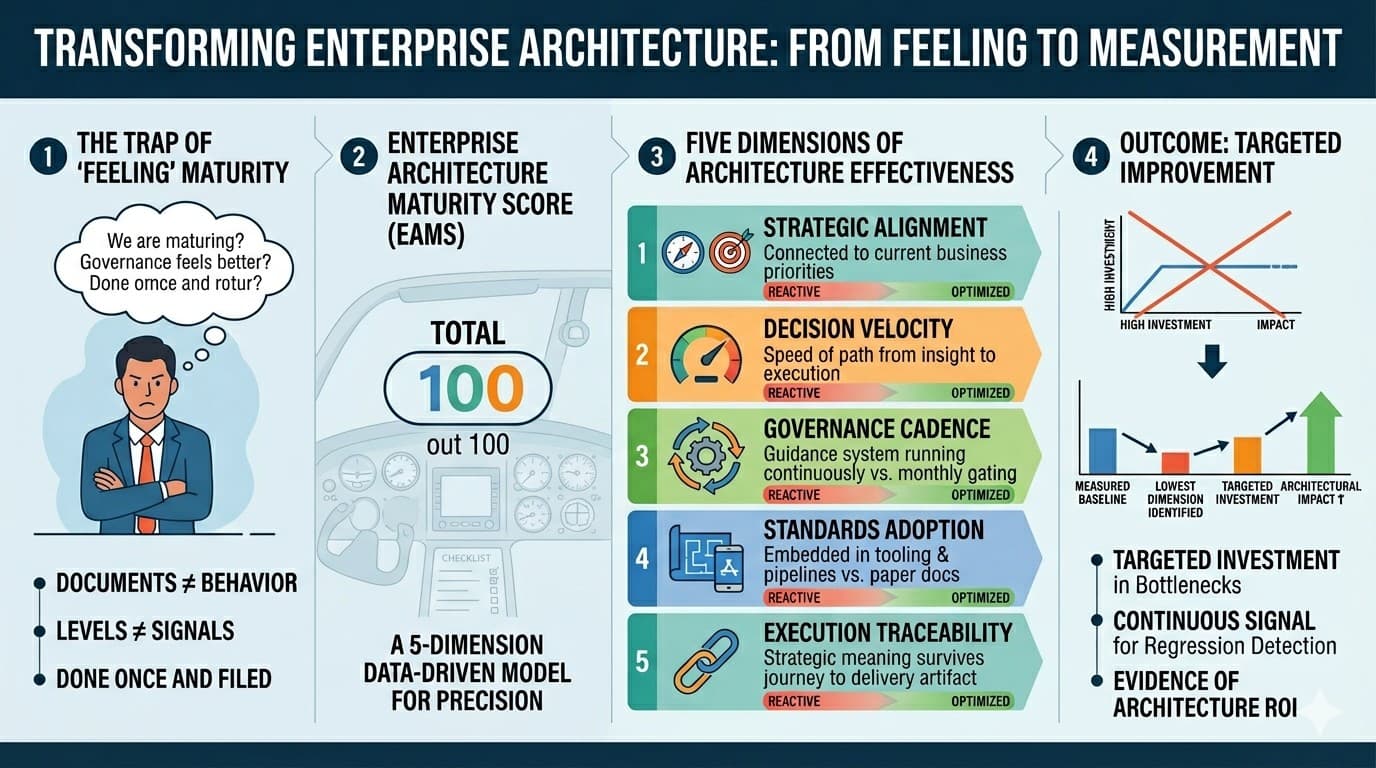
Enterprise architecture maturity is not a feeling. It is a score. Organizations that cannot measure their architecture maturity cannot improve it. The EAMS model gives you the score.
...not historical ones. Low score: Architecture is a technical function with no direct line to business strategy. High score: Architecture decisions trace directly to named business outcomes. Dimension 2:...
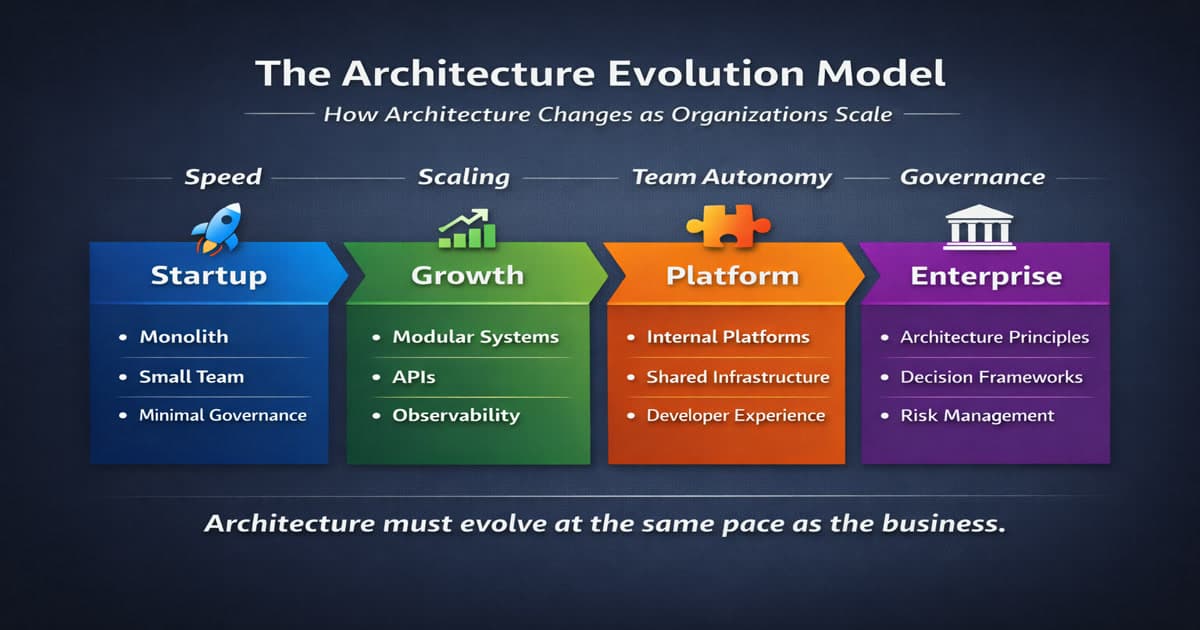
A practical framework explaining how software architecture evolves from startup experimentation to enterprise-scale governance, and what architectural practices are needed at each stage.
...discipline. Typical practices include: enterprise architecture principles architecture review boards platform strategy capability mapping architecture decision records (ADR) governance frameworks Architecture now...
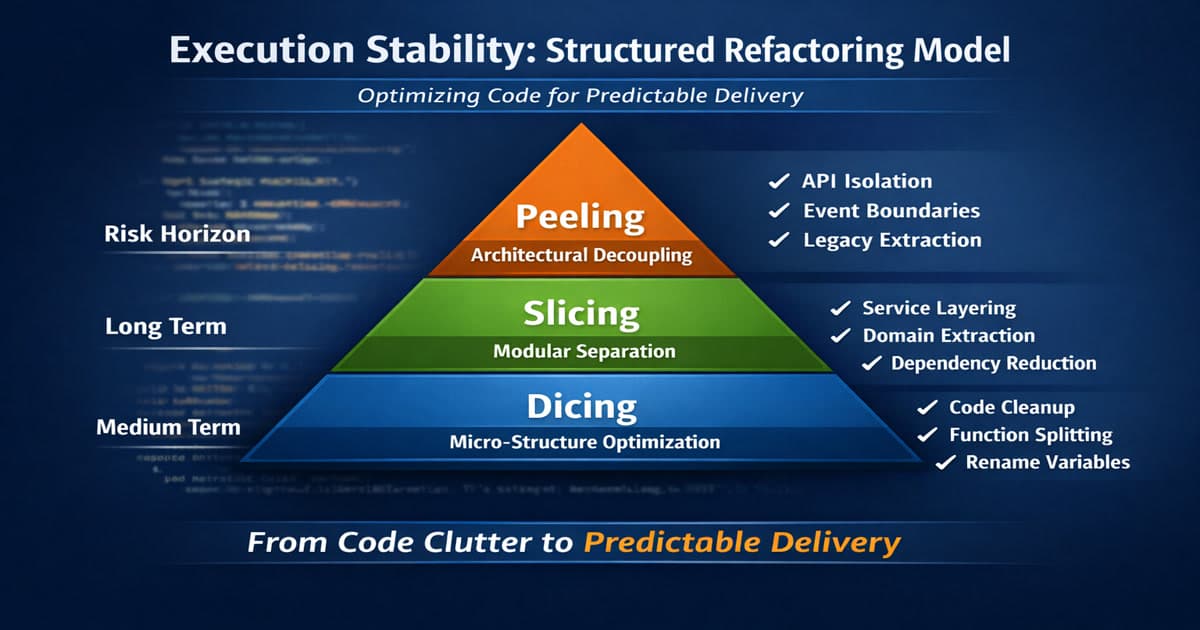
A practical framework for reducing delivery slowdown caused by unmanaged structural code complexity — improving cycle time, reducing regression risk, and clarifying ownership boundaries.
...destabilization Activities: Prioritize high-risk slicing candidates Schedule incremental peeling with rollback strategy Track regression rate per refactor type Monitor coupling trend reduction Success Metrics: Reduced...
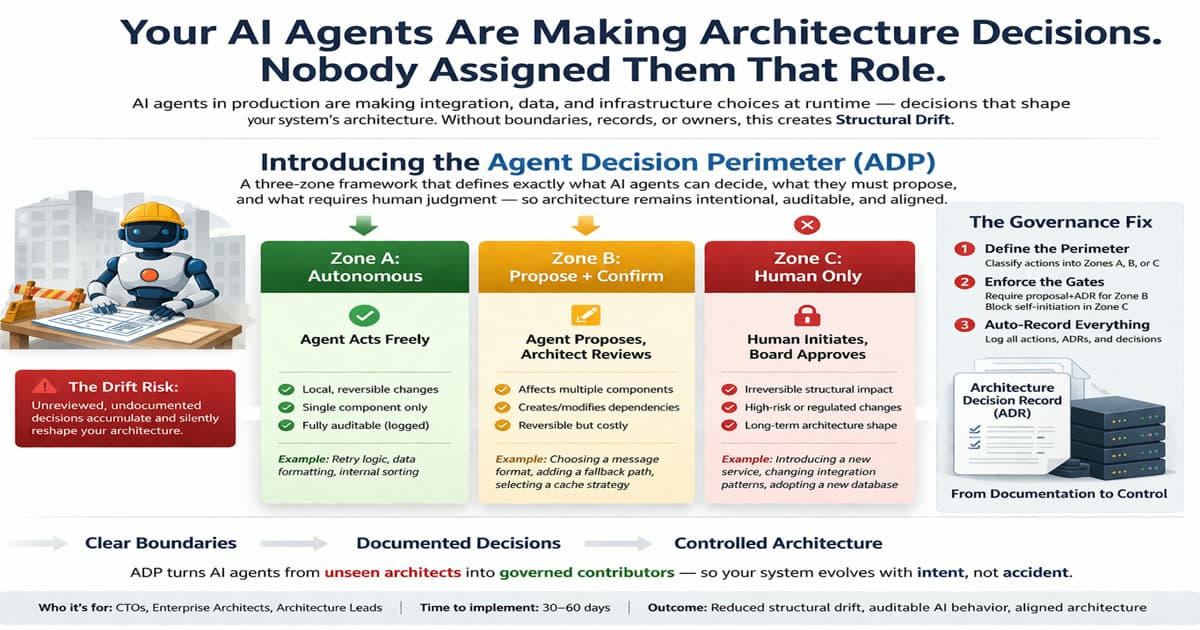
AI agents are making micro-architecture decisions in production. No ADR recorded them. No review board approved them. No architect ever saw them. Here is the structural fix.
...and Zone C actions required human initiation. The agent governance model was part of a broader AI strategy engagement: From 15 AI Pilots to 6 Prioritized Initiatives Action Plan This Week Ask three...
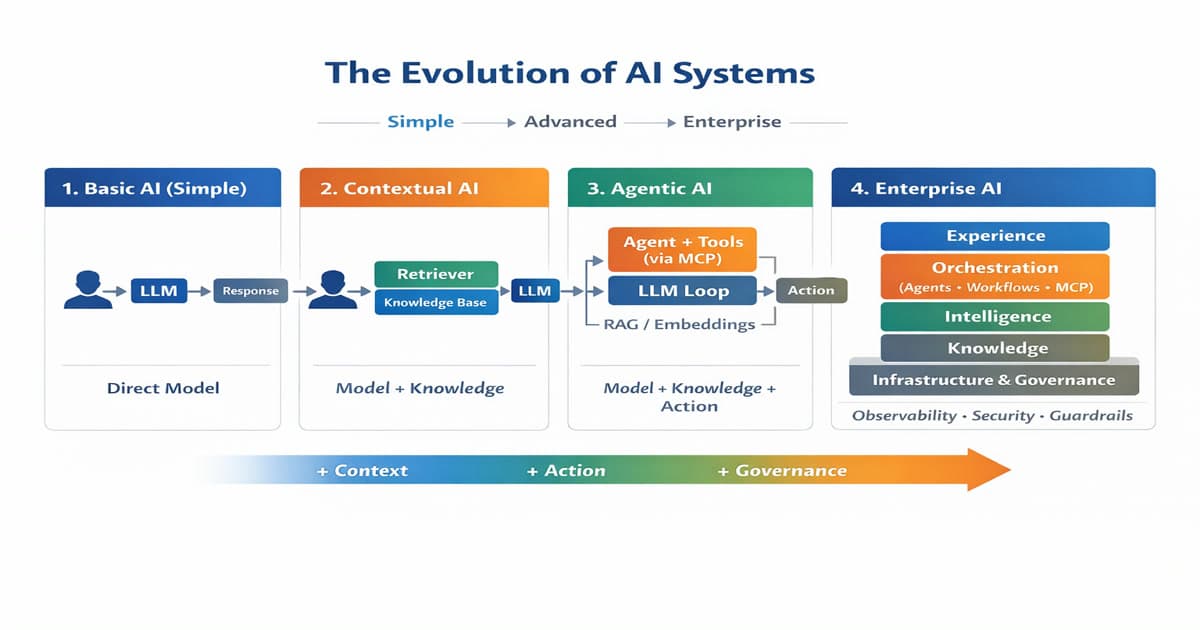
A structured guide explaining how AI systems evolve from simple model usage to governed platforms, and how to scale complexity without losing architectural control.
...expansion. No platform chaos. Just structural clarity aligned to AI maturity. → Book an AI Evolution Strategy Session or → Contact me directly AI maturity is not about smarter models. It is about...