Search
Find insights, training programs, and workshops
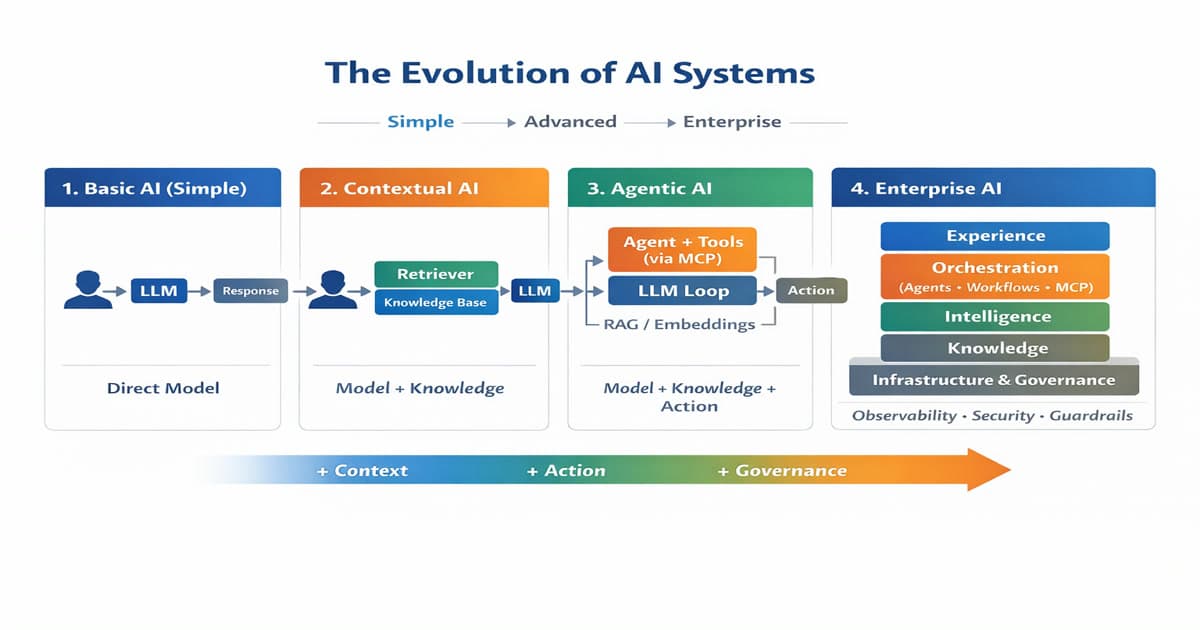
A structured guide explaining how AI systems evolve from simple model usage to governed platforms, and how to scale complexity without losing architectural control.
...Model) Structure: User → LLM → Response Characteristics: - Prompt in - Response out - No enterprise memory - No system integration - No action capability Risk Level: Low Governance Need: Usage policy, data input restrictions It...
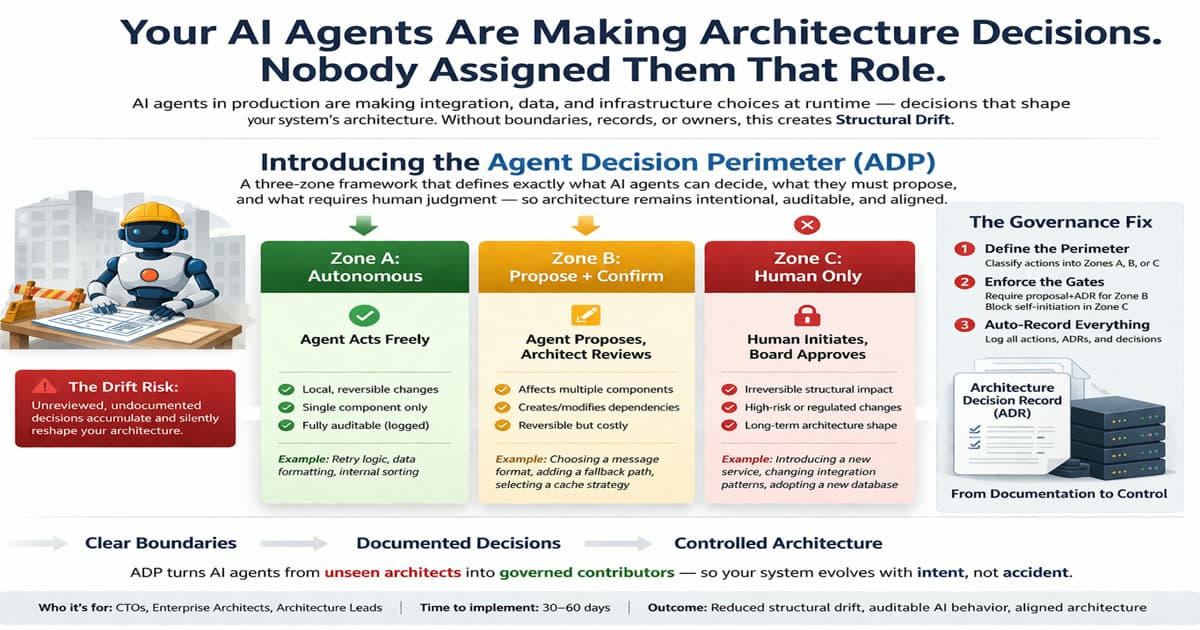
AI agents are making micro-architecture decisions in production. No ADR recorded them. No review board approved them. No architect ever saw them. Here is the structural fix.
...continue, agents in production are already making decisions that belong to architects. They are choosing: Integration patterns Data structure shapes Retry and fallback logic Dependency chains between services Caching...
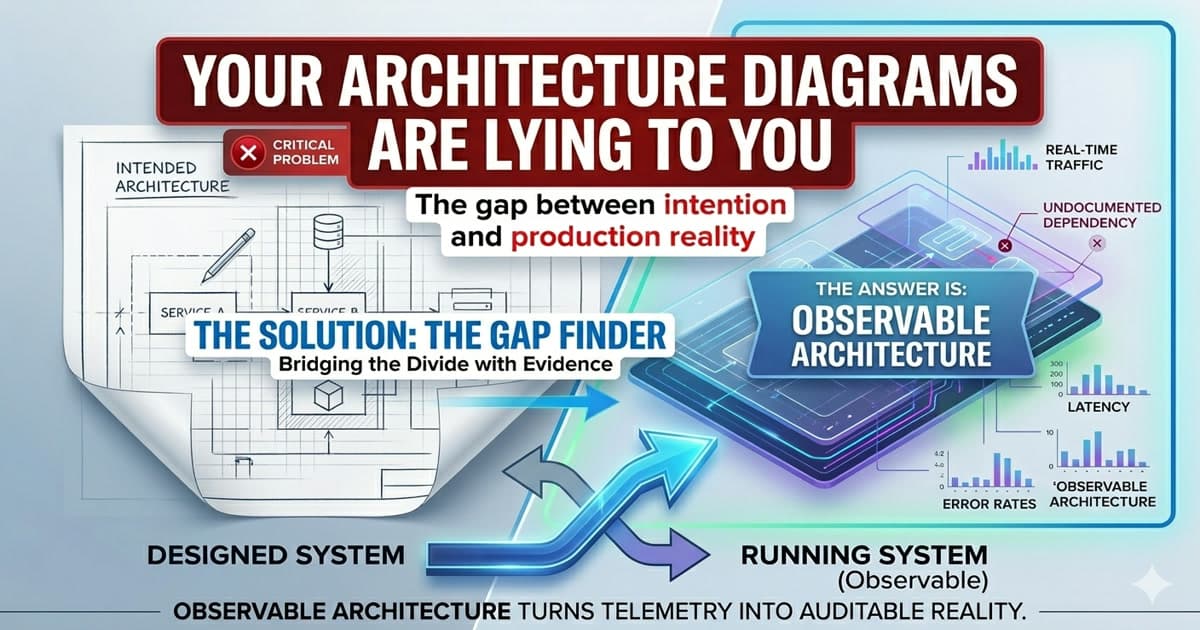
Why architecture diagrams describe a system that no longer exists, and how Observable Architecture uses production telemetry to reveal what is actually running.
...time. They show the intended system. But systems evolve faster than diagrams are updated. A new integration gets added without a design review. A library changes how it routes traffic internally. A...
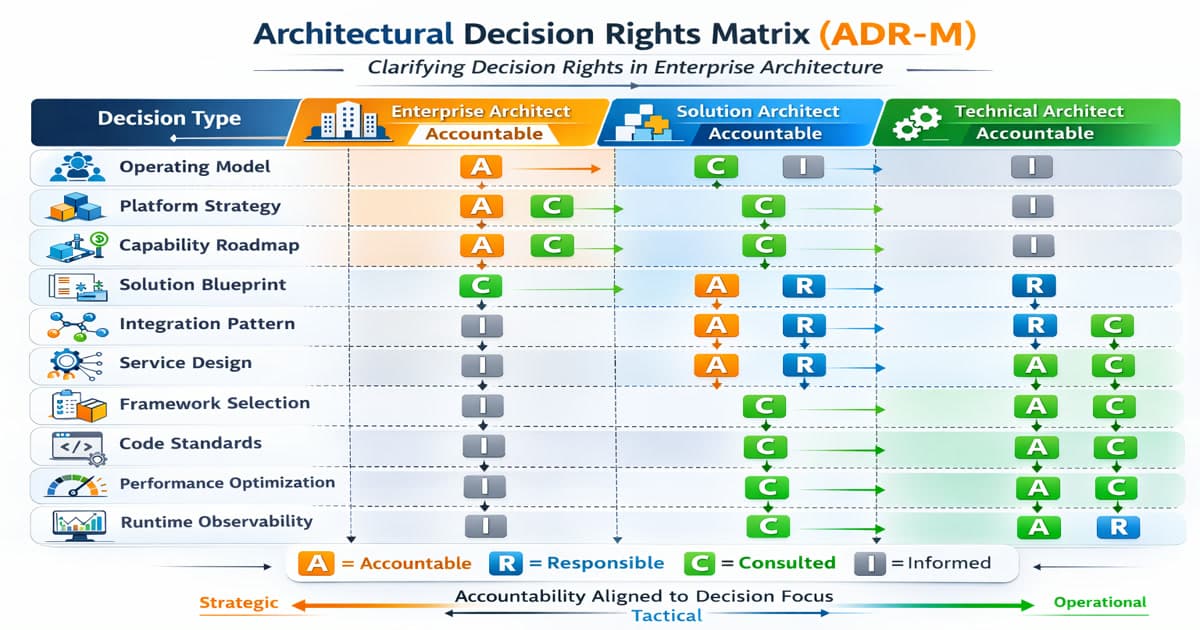
A governance framework introducing the Architectural Decision Rights Matrix (ADR-M) to clarify accountability between Enterprise, Solution, and Technical Architects in Context-Driven Architecture.
...Decision Type Enterprise Architect Solution Architect Technical Architect Solution Blueprint C A R Integration Pattern C A R Service Boundaries I A R Data Flow Design C A R Resilience Mechanism...
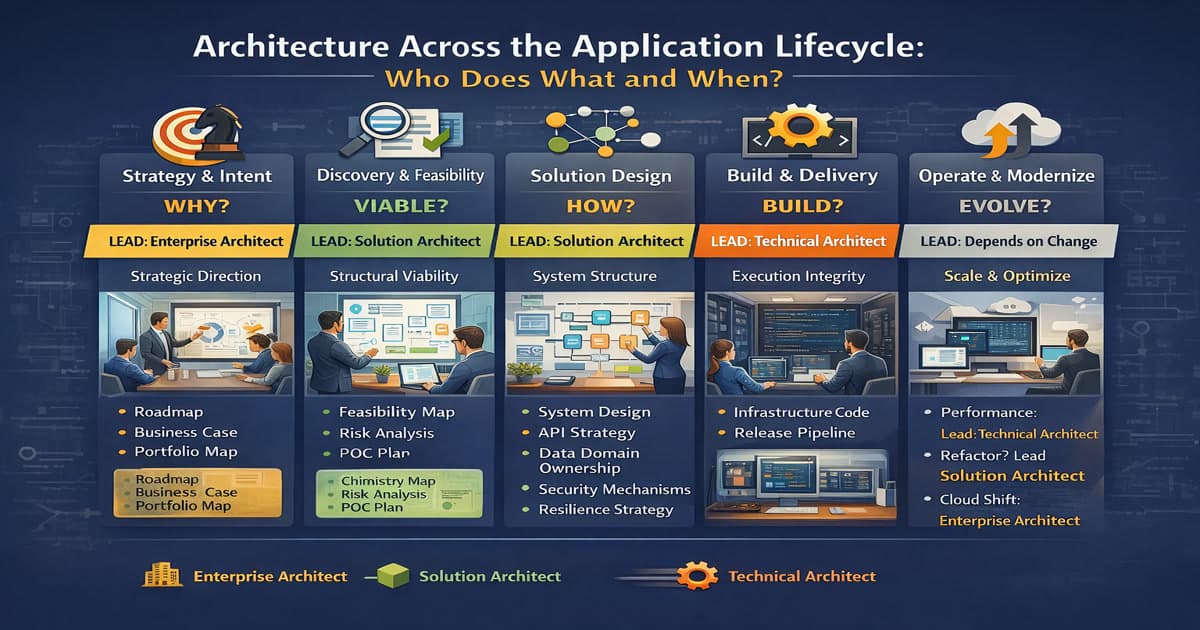
A practical guide explaining which type of architect is required at each stage of the application lifecycle to prevent governance friction and structural instability.
...Question Is this initiative structurally viable? Typical Decisions New capability or extension? Integration complexity Regulatory implications Data sensitivity Non-functional risk estimation Primary...
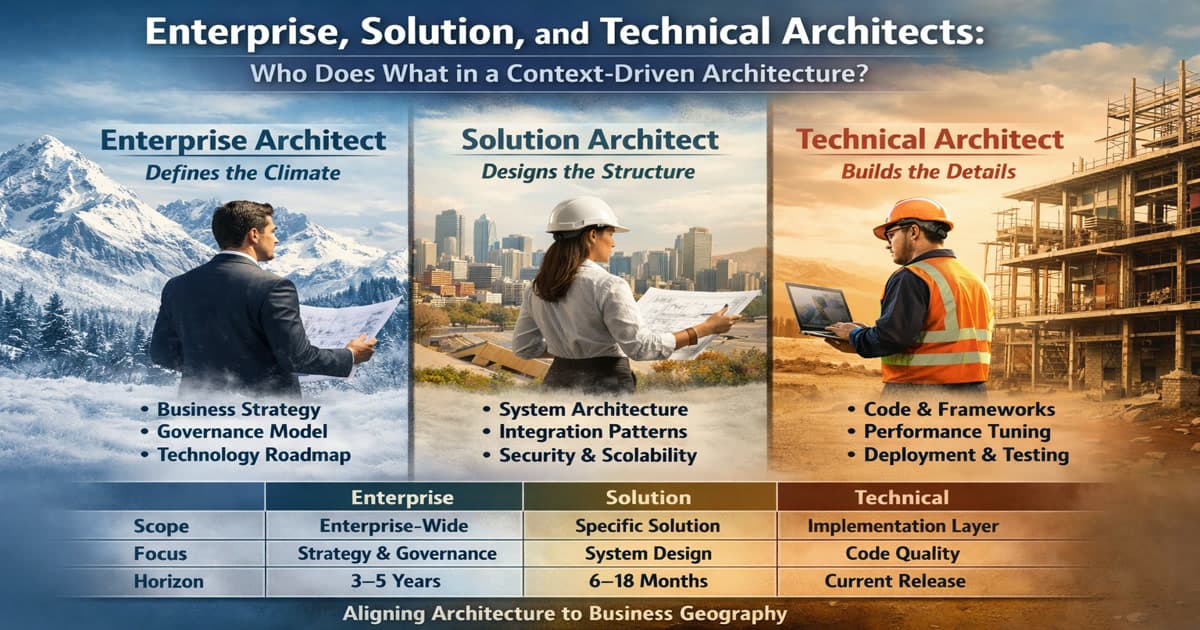
A structured executive guide explaining the difference between Enterprise, Solution, and Technical Architects using Context-Driven Architecture to clarify responsibilities and reduce structural misalignment.
...enterprise guardrails. They design specific systems and initiatives. They define: Service boundaries Integration patterns Data flows Security patterns Resilience mechanisms Technology selection within...
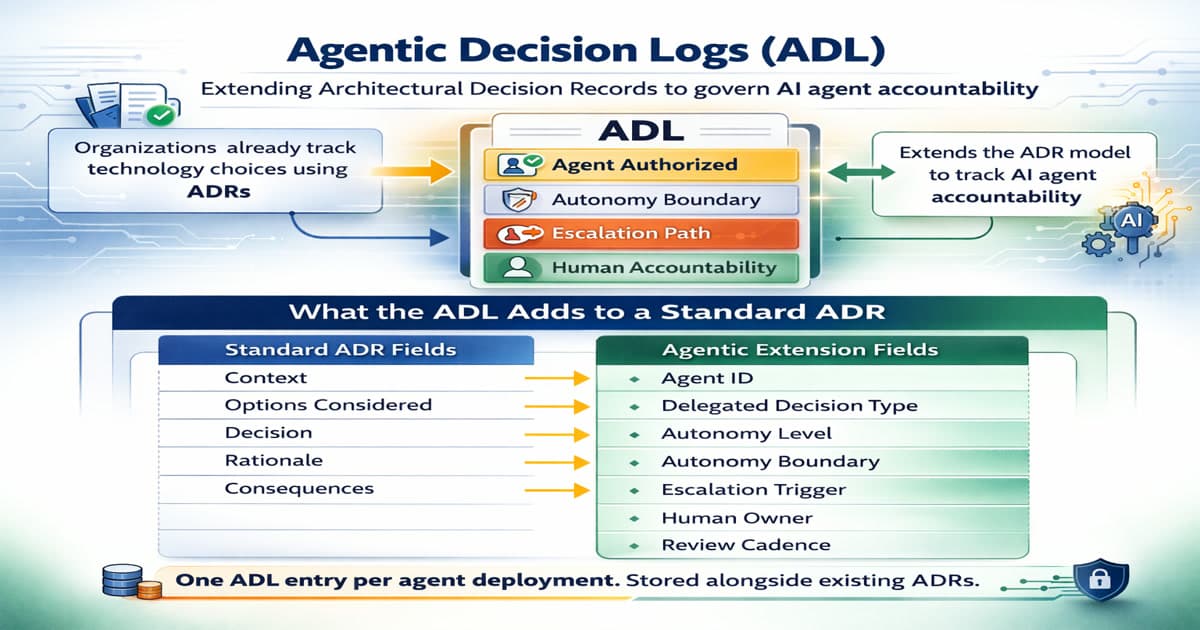
Why Architectural Decision Records are the only structure most organizations already have that can govern AI agent accountability — and how to extend them into an Agentic Decision Log before the EU AI Act deadline.
...behind it the consequences accepted ADRs are used to document decisions about technology choices, integration patterns, platform adoption, and system boundaries. They are documentation artifacts. But...
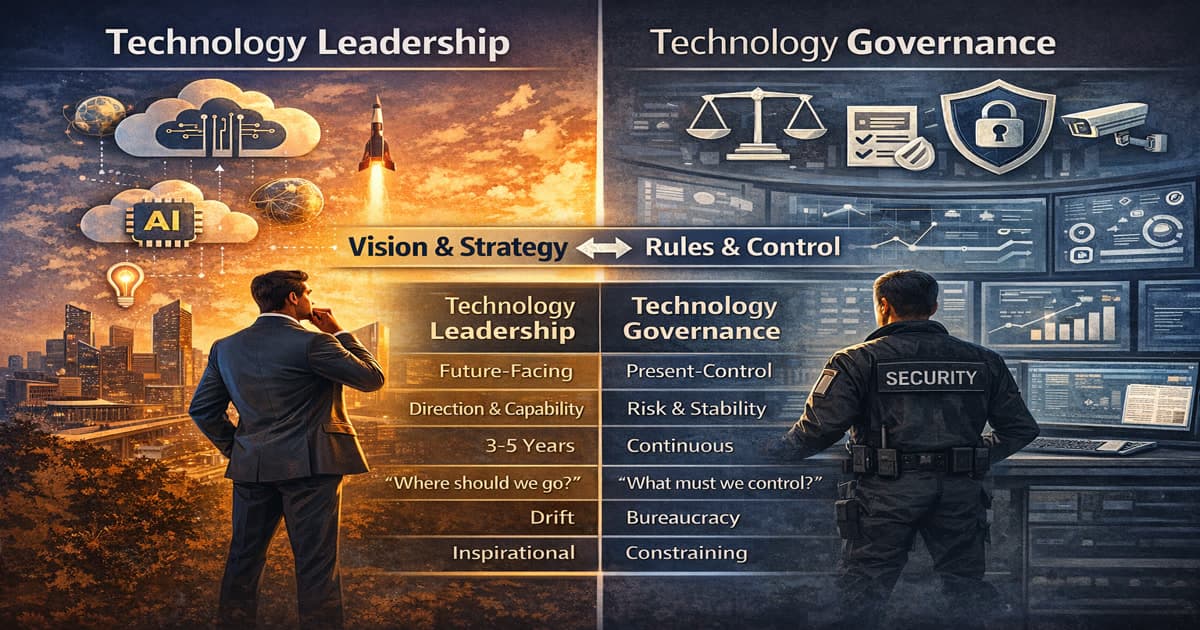
A structured executive guide explaining the difference between Technology Leadership and Technology Governance, and why confusing the two creates instability in enterprise execution.
...rights clarity Architecture review boards Standards enforcement Risk classification Compliance integration Auditability Governance reduces variance. It increases predictability. It enforces discipline. Risk...
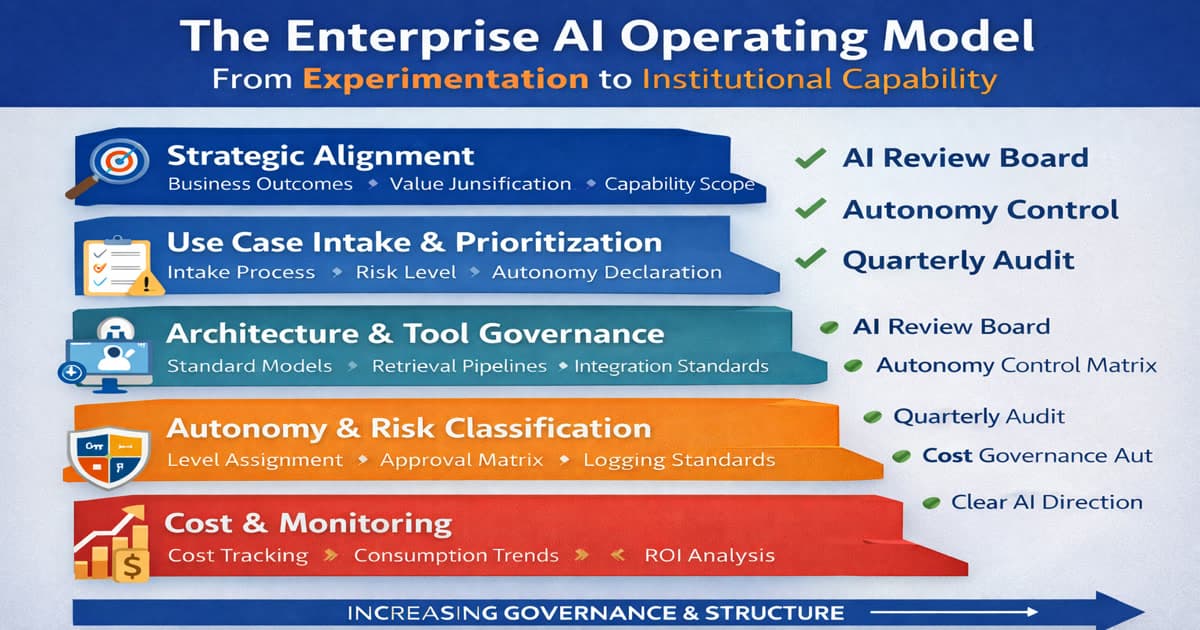
A structured executive guide explaining how to move from AI experimentation to an Enterprise AI Operating Model with governance, autonomy control, and cost discipline.
...standards: Approved LLM providers Standardized retrieval pipelines Controlled tool exposure Defined integration patterns Logging requirements AI must integrate into your architecture review process. Not...
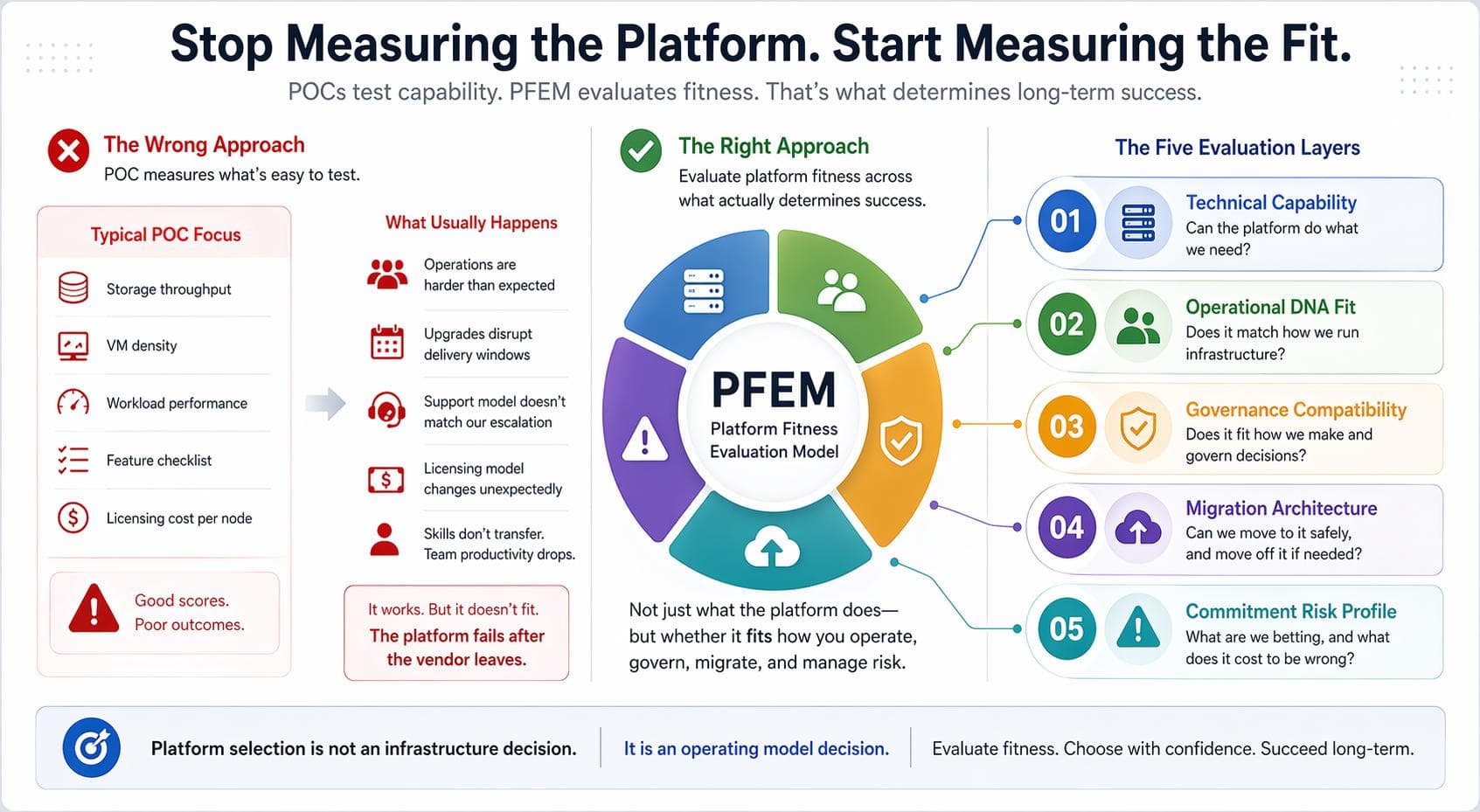
Most organizations evaluate private cloud and HCI platforms by running a technical POC. The POC passes. The platform fails. The reason is structural — and fixable. The Platform Fitness Evaluation Model (PFEM) tells you what to measure instead.
...networking performance under target workload profiles VM and container density at production scale Integration with existing monitoring, backup, and security tooling Upgrade path clarity across major...