Search
Find insights, training programs, and workshops
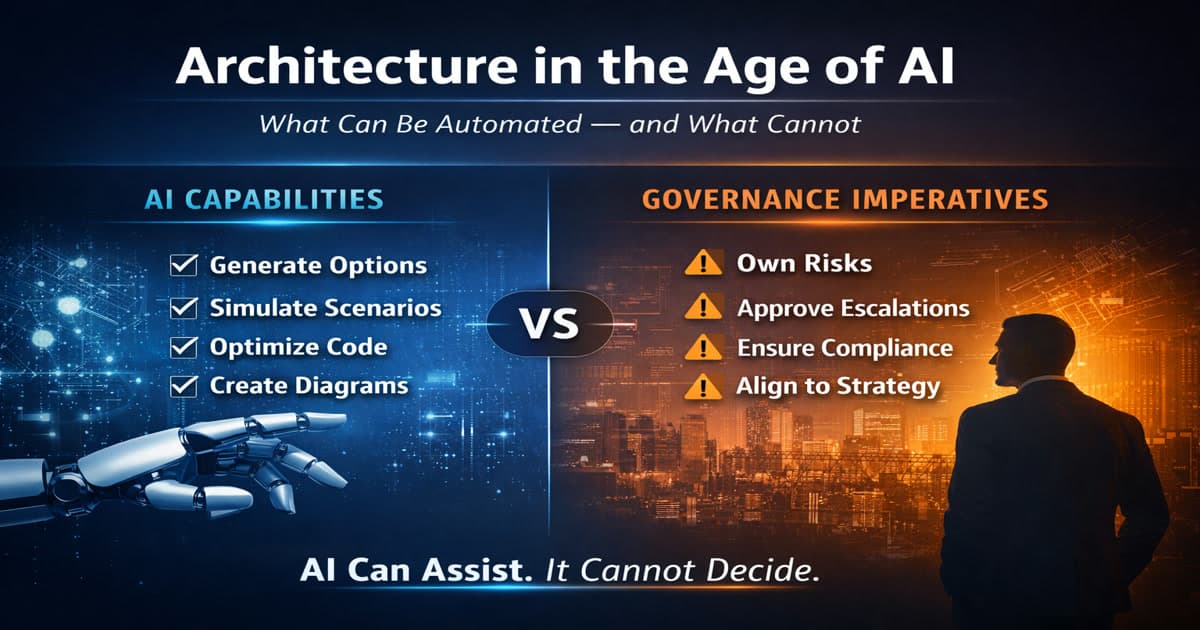
A governance-driven perspective explaining why software architecture cannot be automated because decision accountability and consequence ownership cannot be delegated to AI.
...mechanical design and decision governance Time to implement: 30–60 days Business impact: Protects structural stability in an AI-accelerated environment The Question Everyone Is Quietly Asking If AI...
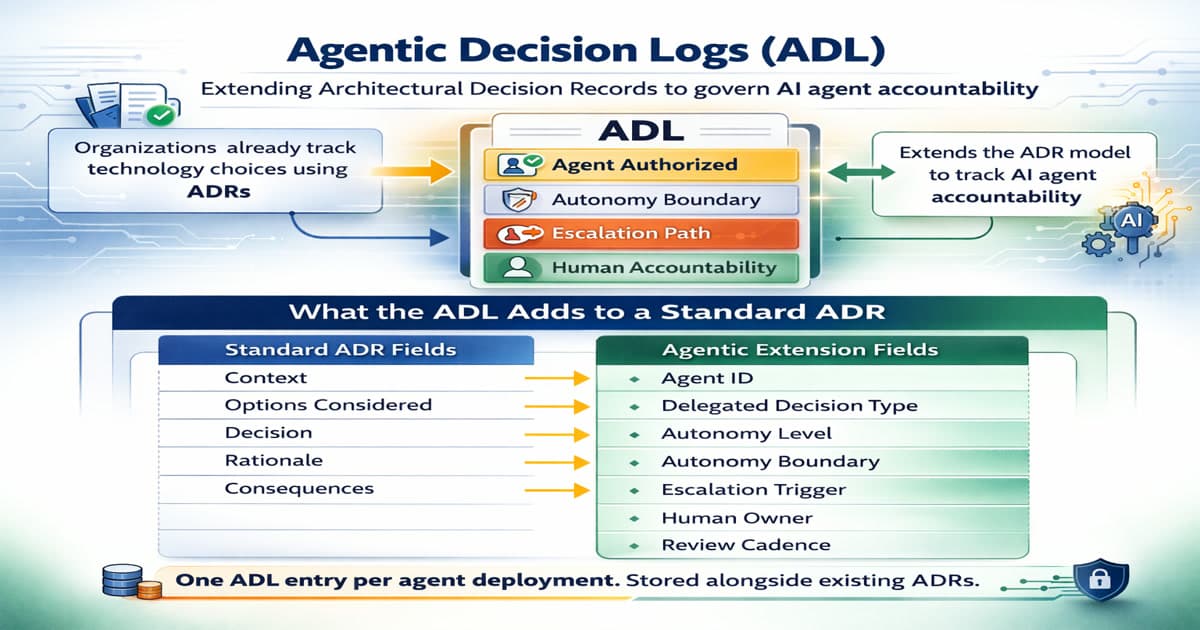
Why Architectural Decision Records are the only structure most organizations already have that can govern AI agent accountability — and how to extend them into an Agentic Decision Log before the EU AI Act deadline.
...Architects, Architecture Governance Teams Problem it solves: Organizations deploying AI agents have no structural record of who authorized the agent to act, what decisions it can make autonomously, and who...
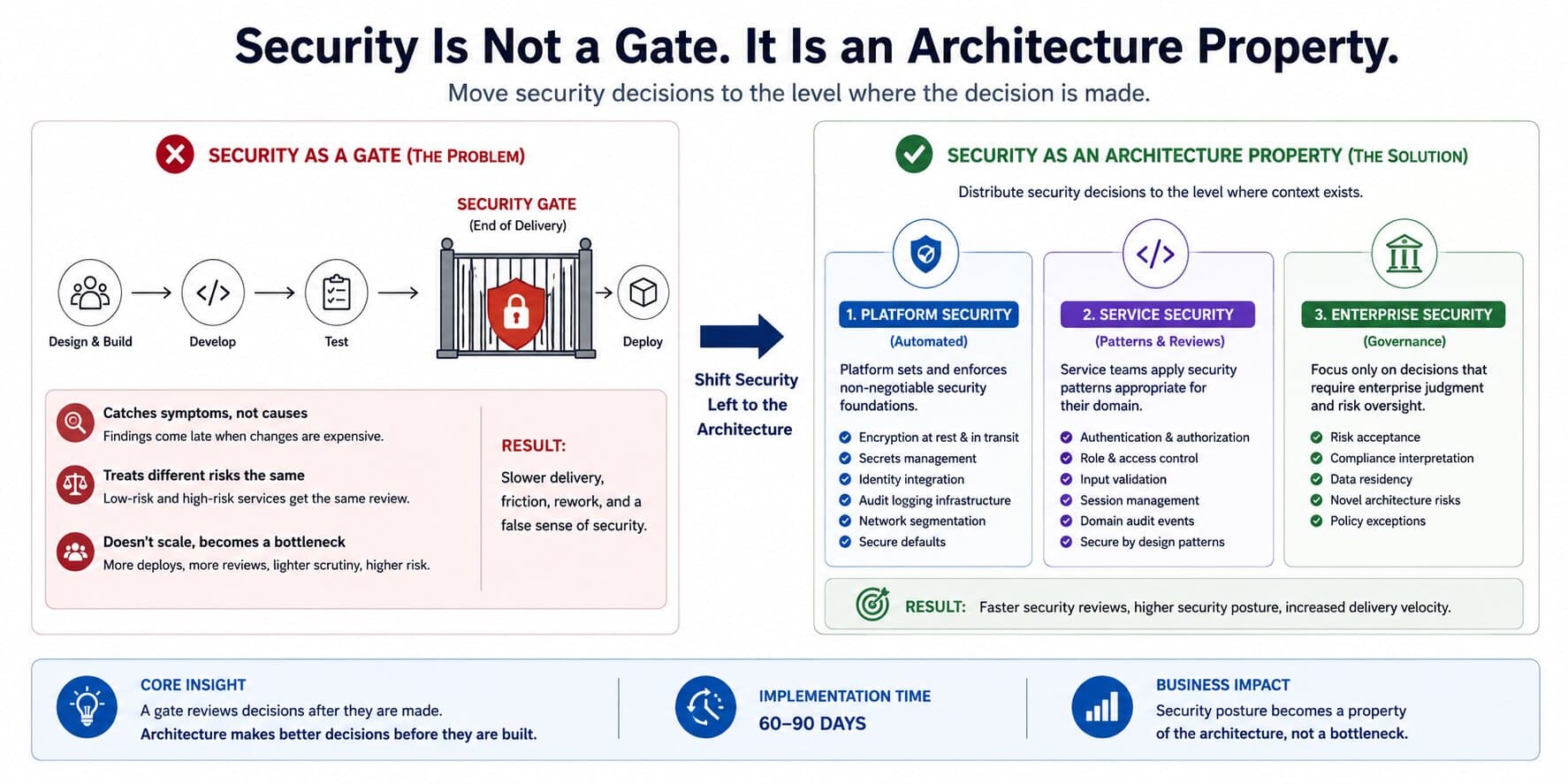
Security is treated as a gate at the end of delivery. It should be an architecture property designed into three distinct boundaries. Here is the model that fixes the friction between security and delivery.
...friction, delays, and a false sense of safety — instead of being designed into the architecture as a structural property Key insight: Security decisions belong at the architectural level where the decision...
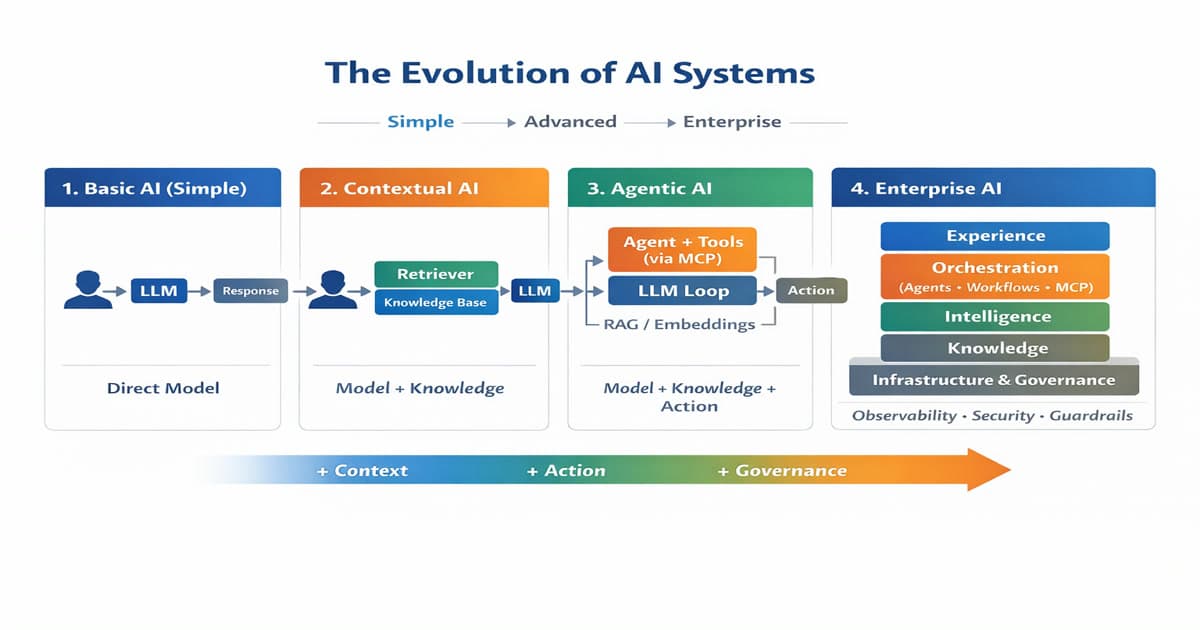
A structured guide explaining how AI systems evolve from simple model usage to governed platforms, and how to scale complexity without losing architectural control.
...is about how these three dimensions expand. The AI Evolution Model AI systems mature through four structural stages: Basic AI (Direct Model) Contextual AI (Model + Knowledge) Agentic AI (Model + Knowledge...
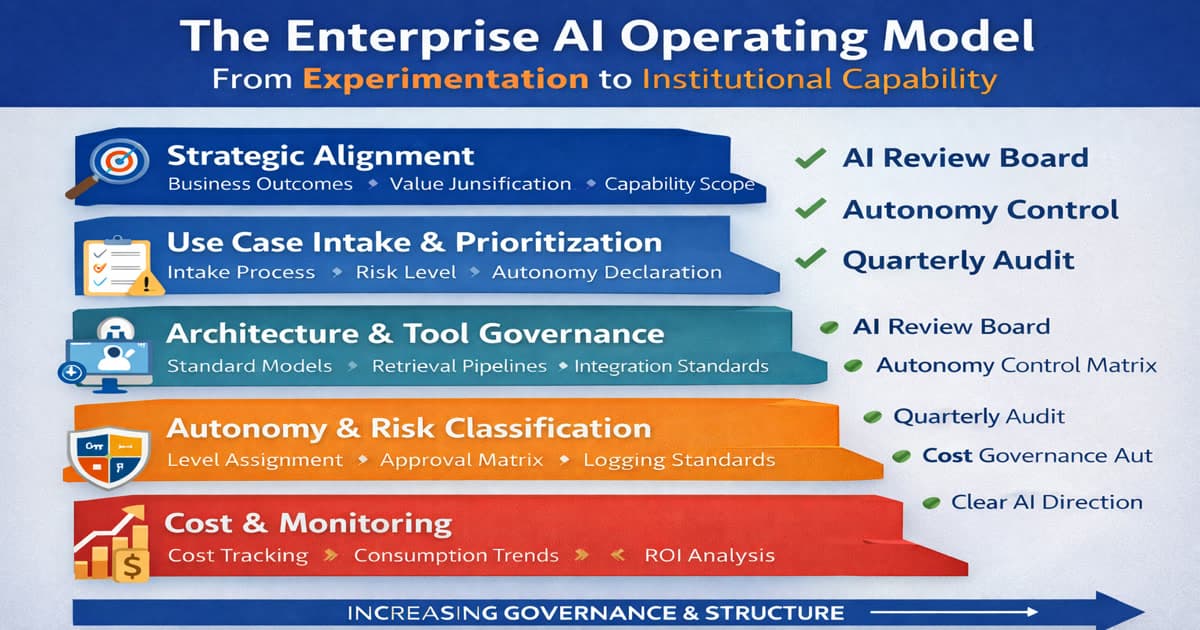
A structured executive guide explaining how to move from AI experimentation to an Enterprise AI Operating Model with governance, autonomy control, and cost discipline.
...Transformation Leaders Problem it solves: AI initiatives running as disconnected pilots without governance or structural clarity Key outcome: A practical framework to institutionalize AI across strategy, architecture,...
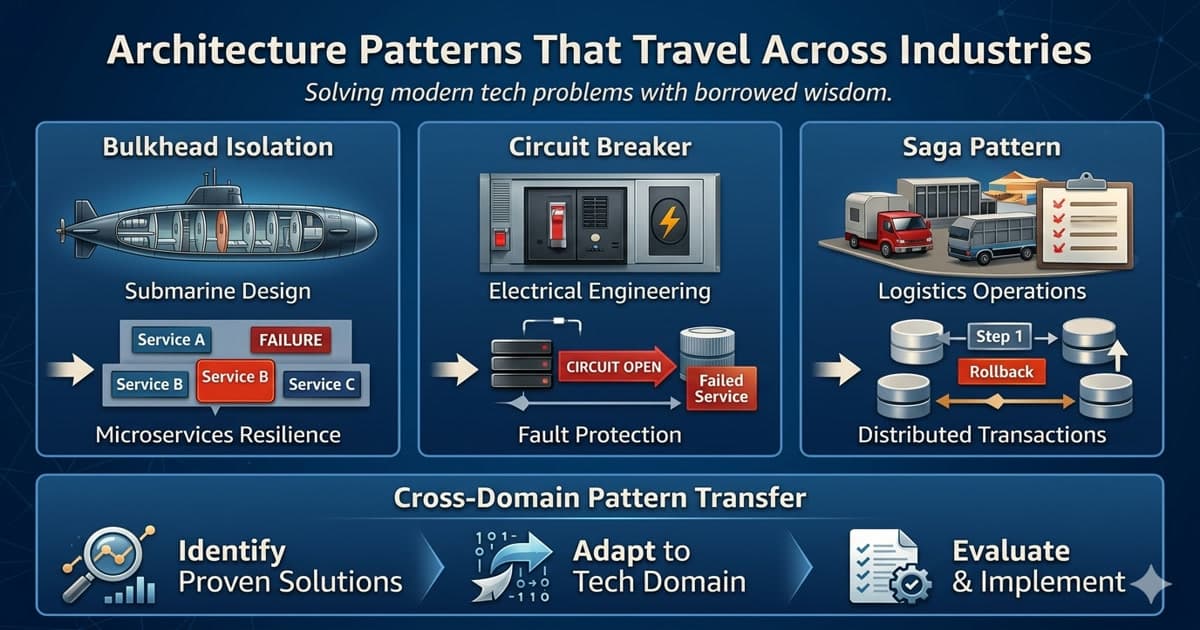
The patterns that solve your hardest distributed systems problems were already solved — in a submarine, a postal sorting office, and an electrical panel. Most architects never look.
...Library and embed it into architecture review Business impact: Faster pattern selection, reduced design risk, more resilient systems, and architecture decisions grounded in decades of proven practice — not...
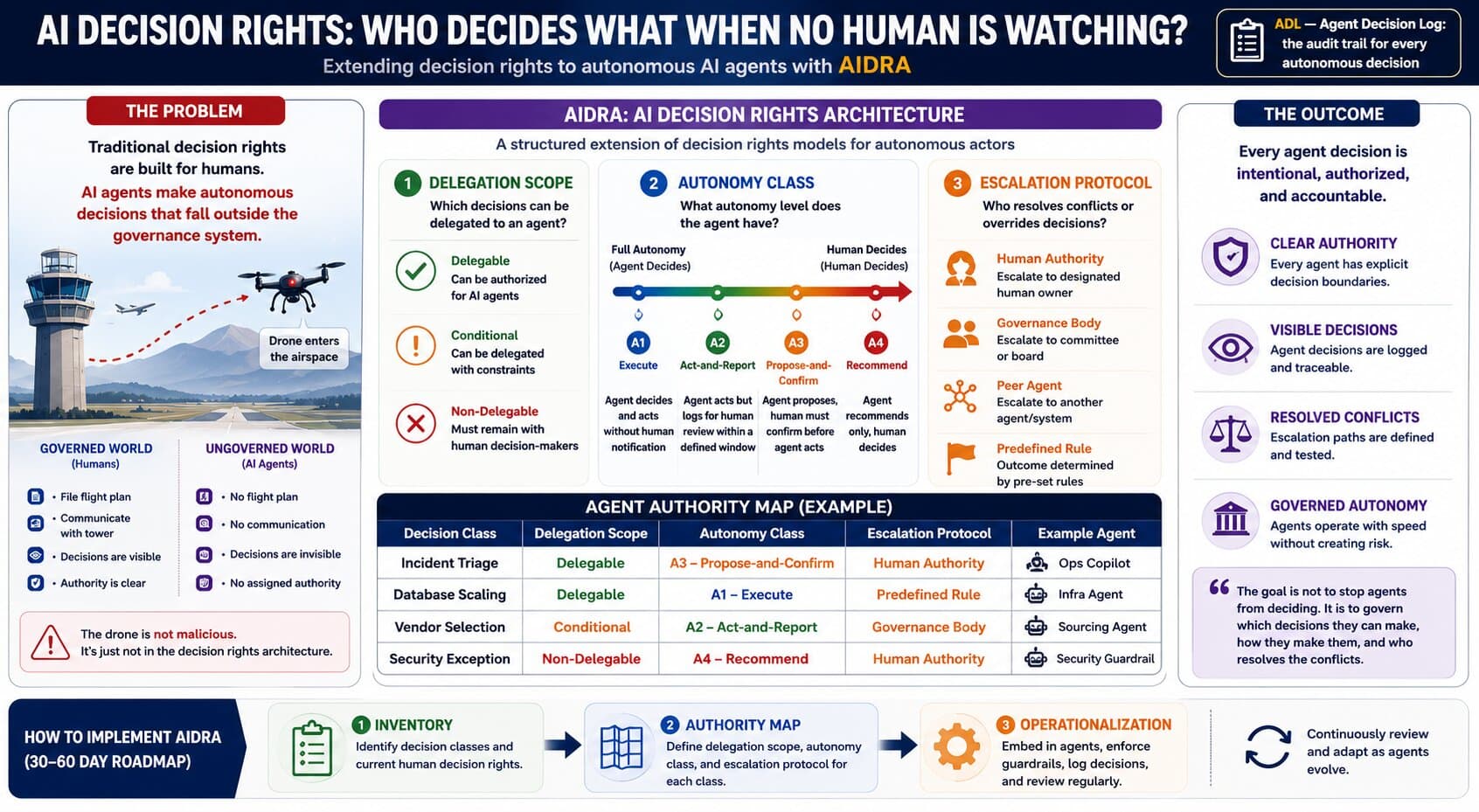
Decision rights models assume human decision-makers. AI agents breach that assumption silently. Here is how to extend decision rights to cover autonomous actors before the first ungoverned decision becomes a production incident.
...never assigned a role in the decision rights architecture. It simply entered — capable, autonomous, and structurally invisible to the system designed to govern the air. This is what happens when AI agents...
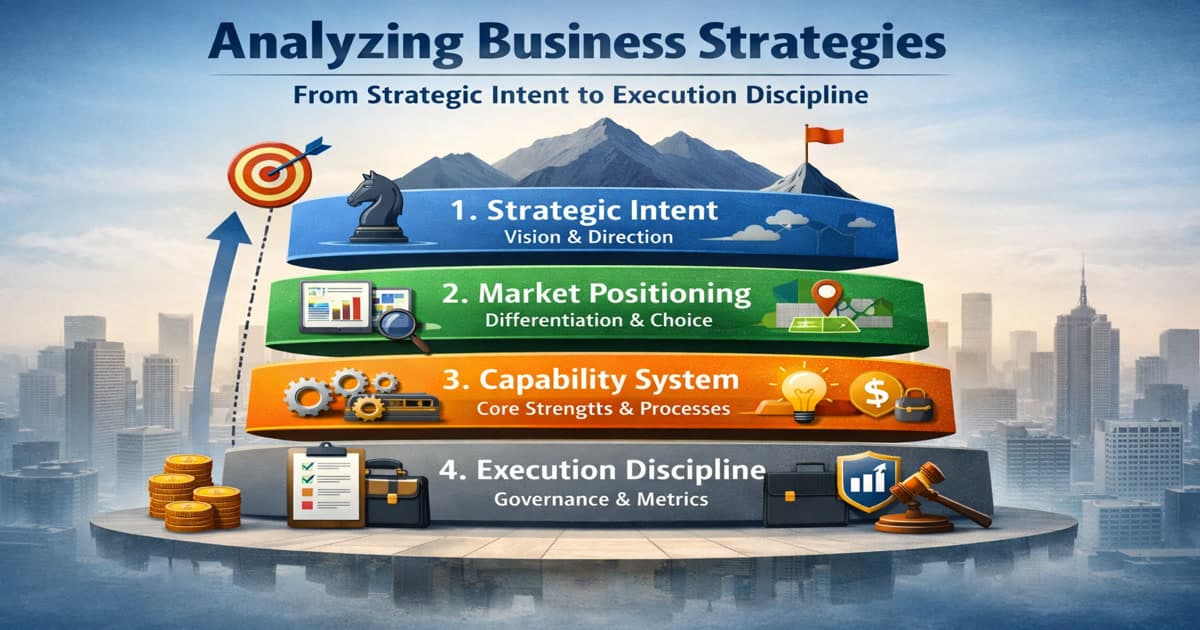
A structured executive guide to analyzing business strategies using a four-layer framework that connects intent, positioning, capability, and execution discipline.
...competitors? How does execution reinforce positioning? Silence. The problem is not ambition. The problem is structural clarity. Strategy is not intention. Strategy is a system of coherent choices. The 4-Layer...
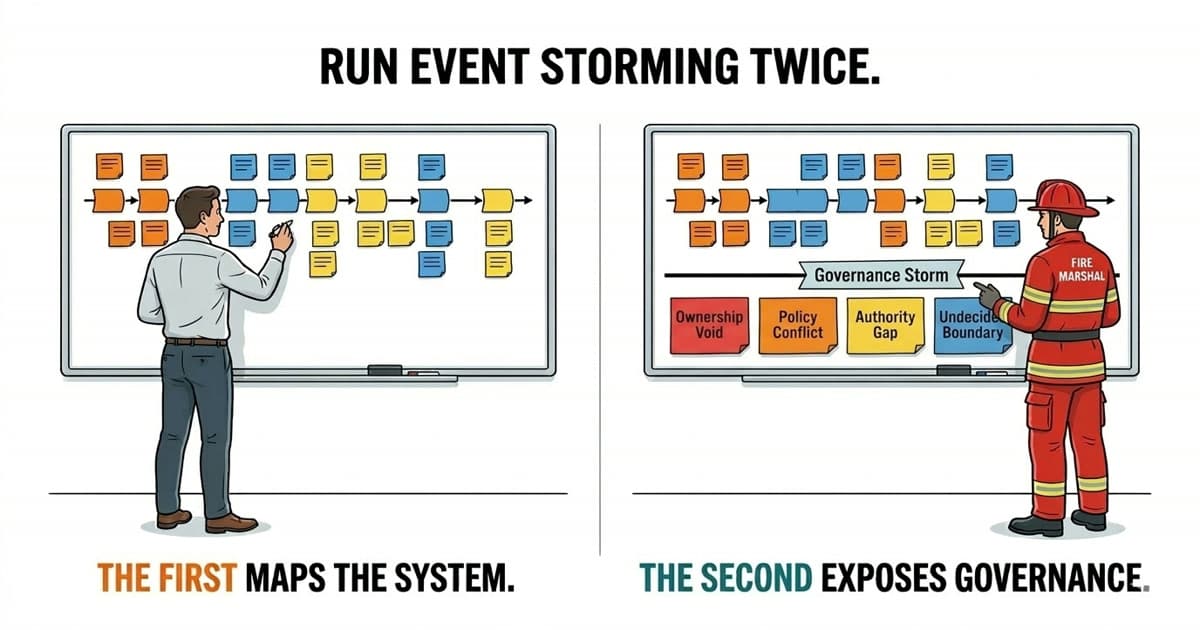
Why the second run of an Event Storming workshop — the one most teams never attempt — is the fastest way to surface governance gaps that architecture diagrams will never show.
...command Authority gap — three teams claim the right to trigger FraudDetected event Policy conflict — risk team and compliance team have different responses Customer boundary Undecided — shared between...
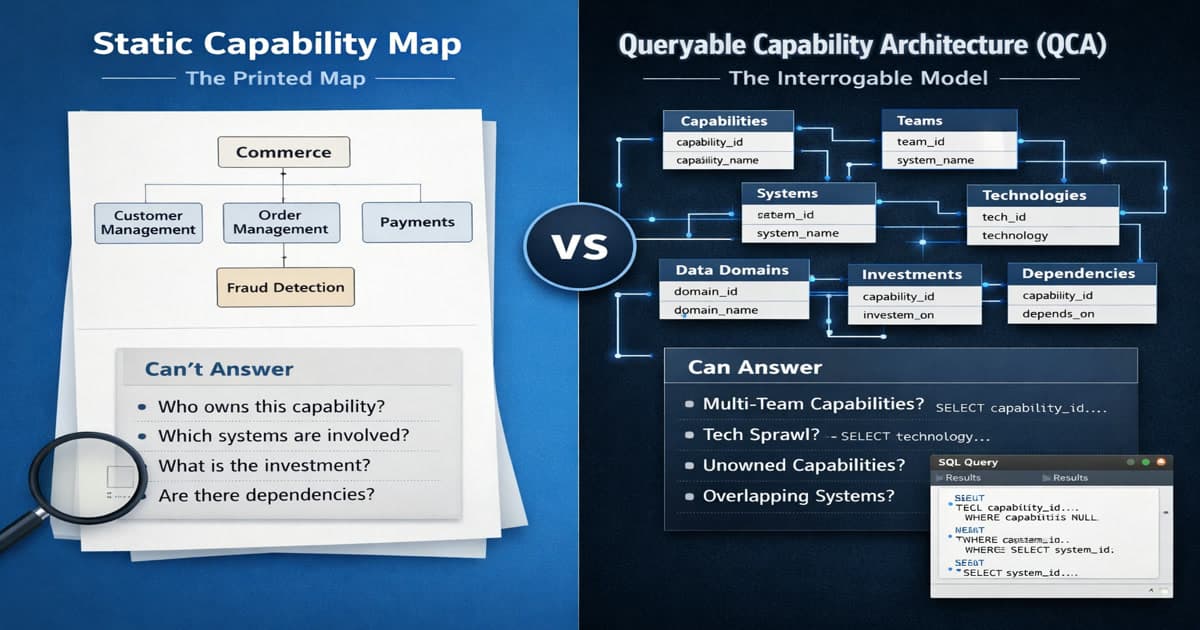
Why traditional capability maps fail to support governance decisions and how Queryable Capability Architecture turns static maps into interrogable decision systems.
...capability maps rarely show: investment per capability technology footprint per capability operational risk per capability Strategic decisions get made from incomplete information. Queryable Capability...