Search
Find insights, training programs, and workshops
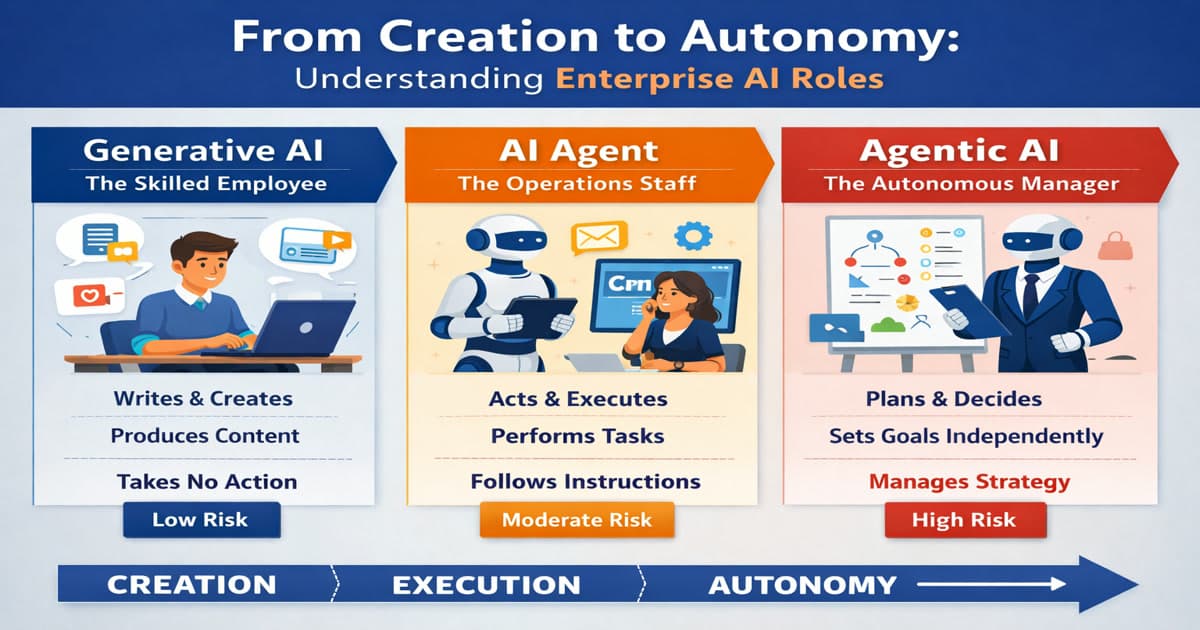
A clear executive guide explaining Generative AI, AI Agents, and Agentic AI using a corporate office analogy to prevent autonomy risks in enterprise AI.
...proposal. It does not negotiate. It does not update the CRM. It waits for instruction. Risk Level: Low Governance Need: Content review and data control Generative AI produces output. It does not execute...
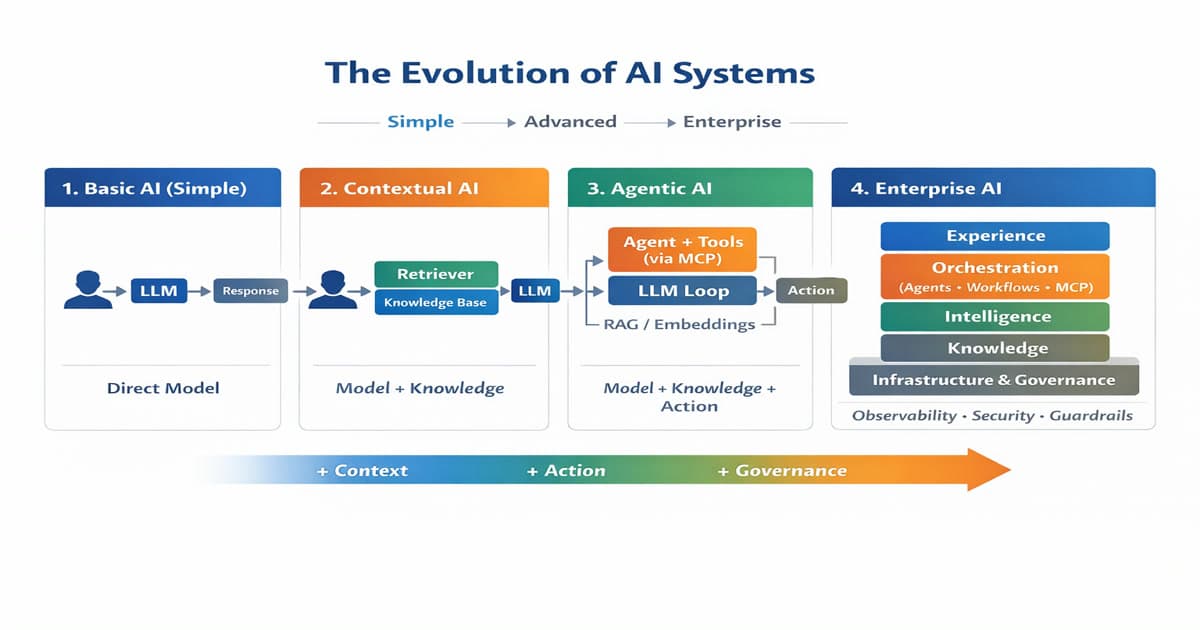
A structured guide explaining how AI systems evolve from simple model usage to governed platforms, and how to scale complexity without losing architectural control.
...AI beyond experimentation Problem it solves: AI systems growing in complexity without proportional governance Key outcome: A clear evolution model --- Simple → Contextual → Agentic → Enterprise Time to...
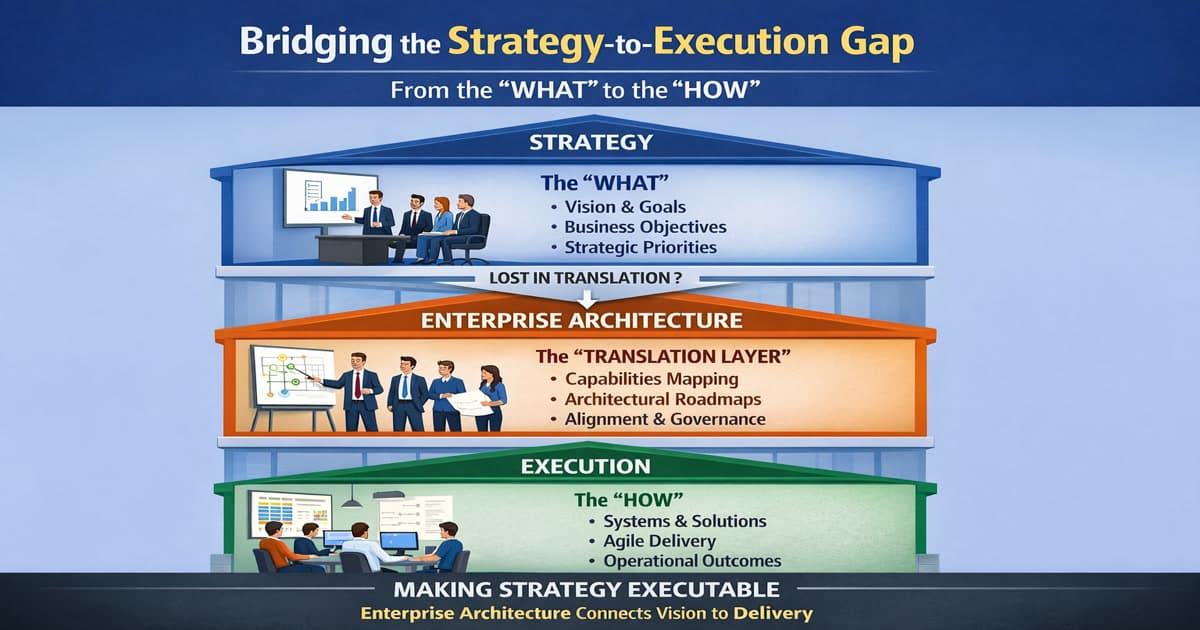
Why strategic intent evaporates before it reaches engineering teams — and how Enterprise Architecture creates the translation layer that makes organizational strategy executable.
...priority Business impact: Delivery teams that build the right things, investment aligned to strategic intent, and governance that closes the gap between declared strategy and operational reality The Expedition That...
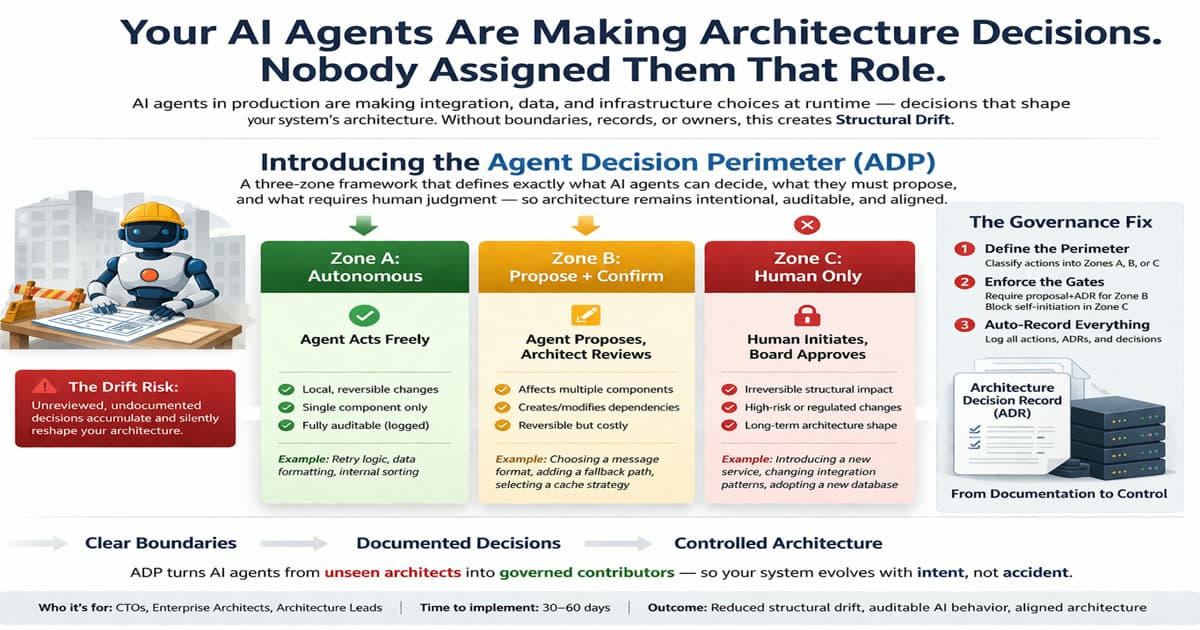
AI agents are making micro-architecture decisions in production. No ADR recorded them. No review board approved them. No architect ever saw them. Here is the structural fix.
...by AI agents making undocumented, unreviewed architecture decisions at runtime Key outcome: A clear governance model that defines exactly where agents act freely, where they propose, and where humans decide Time...
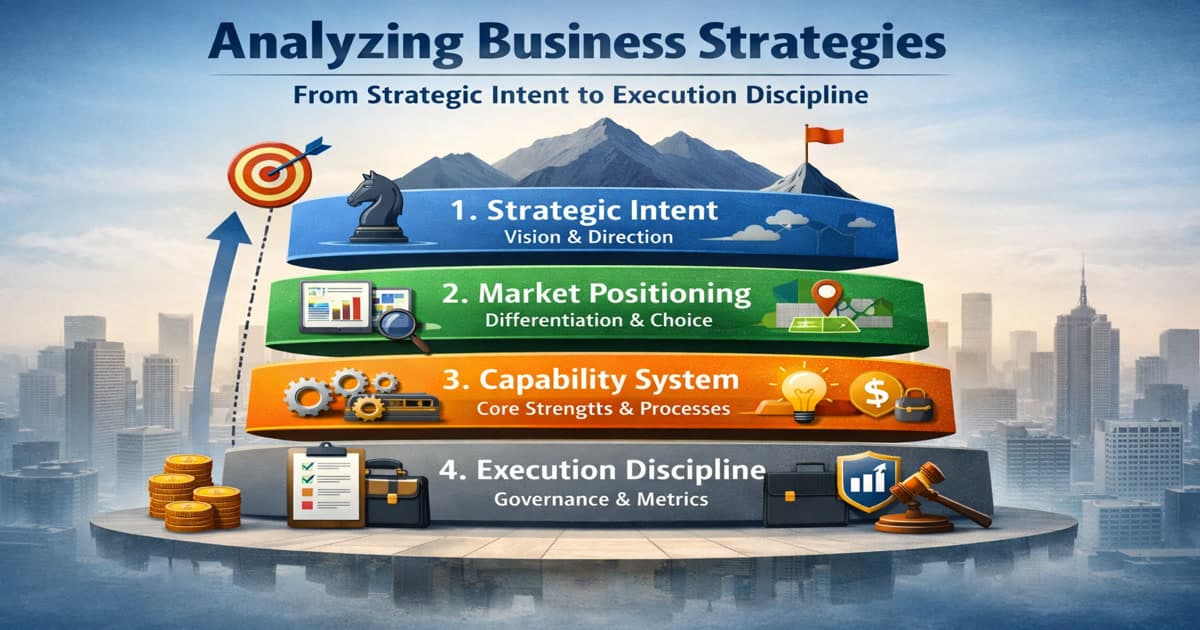
A structured executive guide to analyzing business strategies using a four-layer framework that connects intent, positioning, capability, and execution discipline.
...across four structural layers: Strategic Intent Market Positioning Capability System Execution & Governance Discipline If one layer is weak, the strategy eventually collapses. Strategic Intent: The...
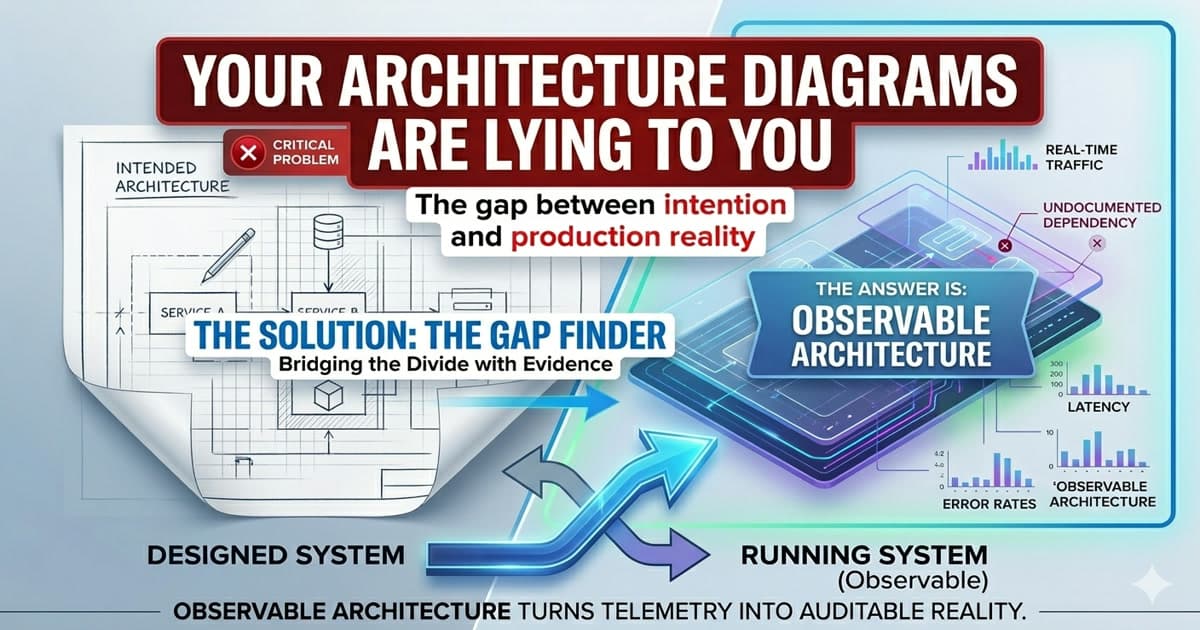
Why architecture diagrams describe a system that no longer exists, and how Observable Architecture uses production telemetry to reveal what is actually running.
...revealing what is actually running Time to implement: 30–60 days to introduce Observable Architecture as a governance practice Business impact: Earlier risk detection, accurate security reviews, reduced production...
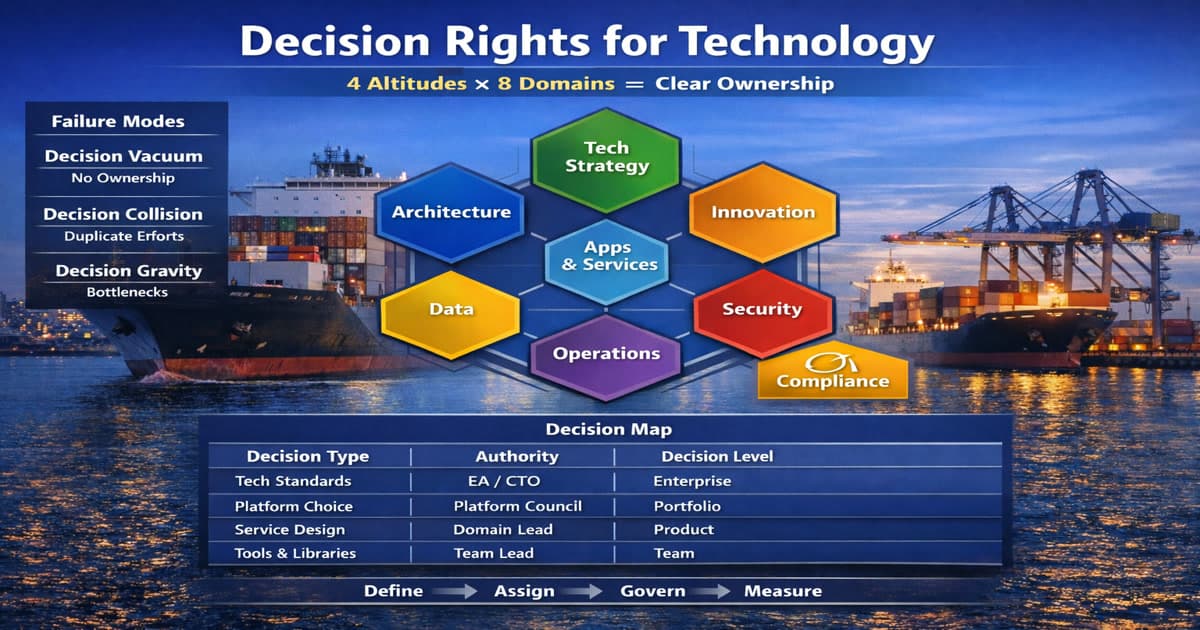
Why most enterprises confuse escalation ladders with decision rights — and how Technology Decision Domain Architecture maps exactly who decides what, at which altitude, before the conflict arrives.
...impact: Faster delivery decisions, fewer escalation bottlenecks, reduced architecture conflict, and governance that works before something breaks The Shipmaster and the Harbourmaster A container ship...
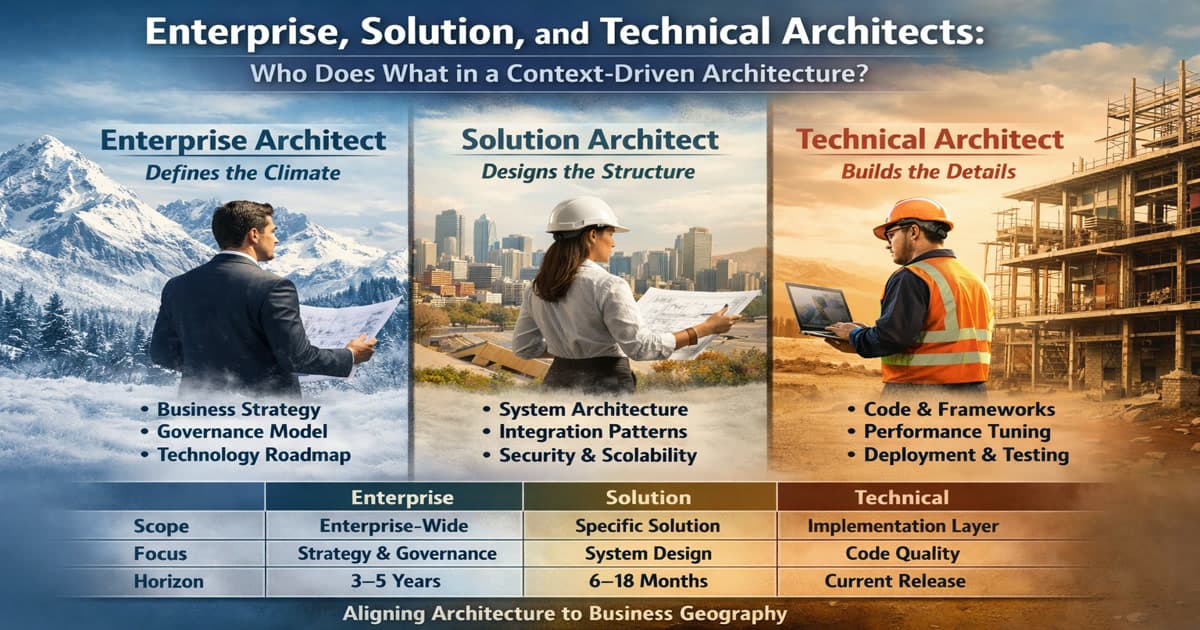
A structured executive guide explaining the difference between Enterprise, Solution, and Technical Architects using Context-Driven Architecture to clarify responsibilities and reduce structural misalignment.
...clarity: 30 days with structured role alignment Business impact: Reduced architectural friction, stronger governance, improved execution predictability Snow, Sand, and Architectural Roles Imagine designing...
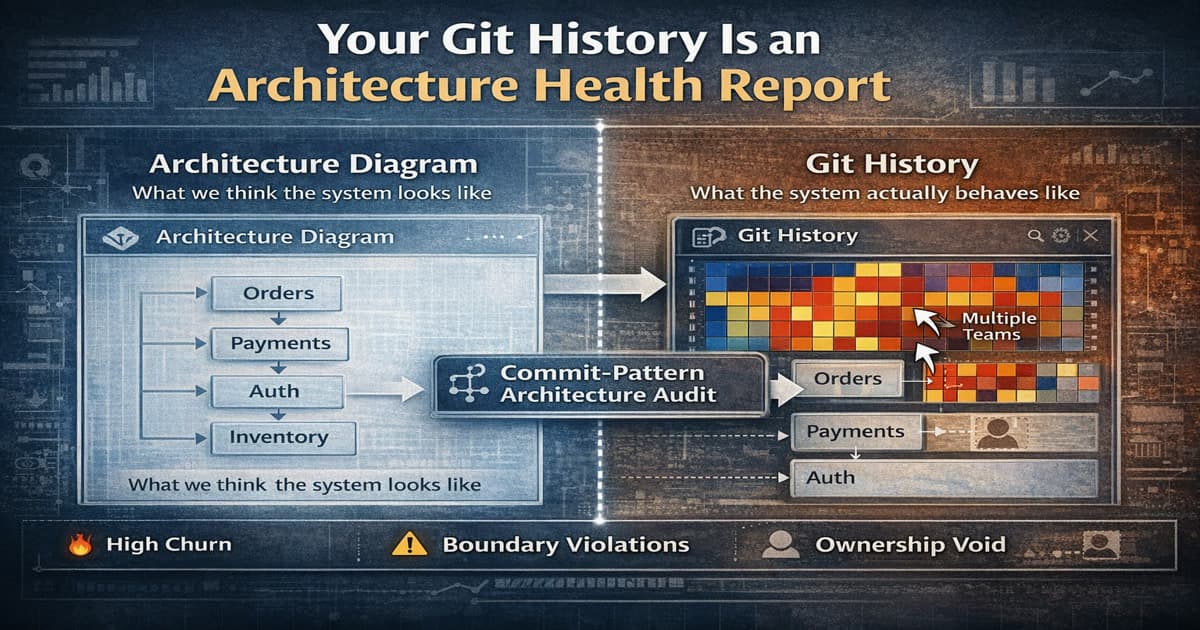
A practical architecture technique showing how Git commit patterns reveal structural instability, boundary violations, and ownership gaps in software systems.
...Technical Architects, Engineering Leads Problem it solves: Architecture reviews rely on diagrams and governance documents that often fail to reflect the real system structure Key outcome: A practical method...
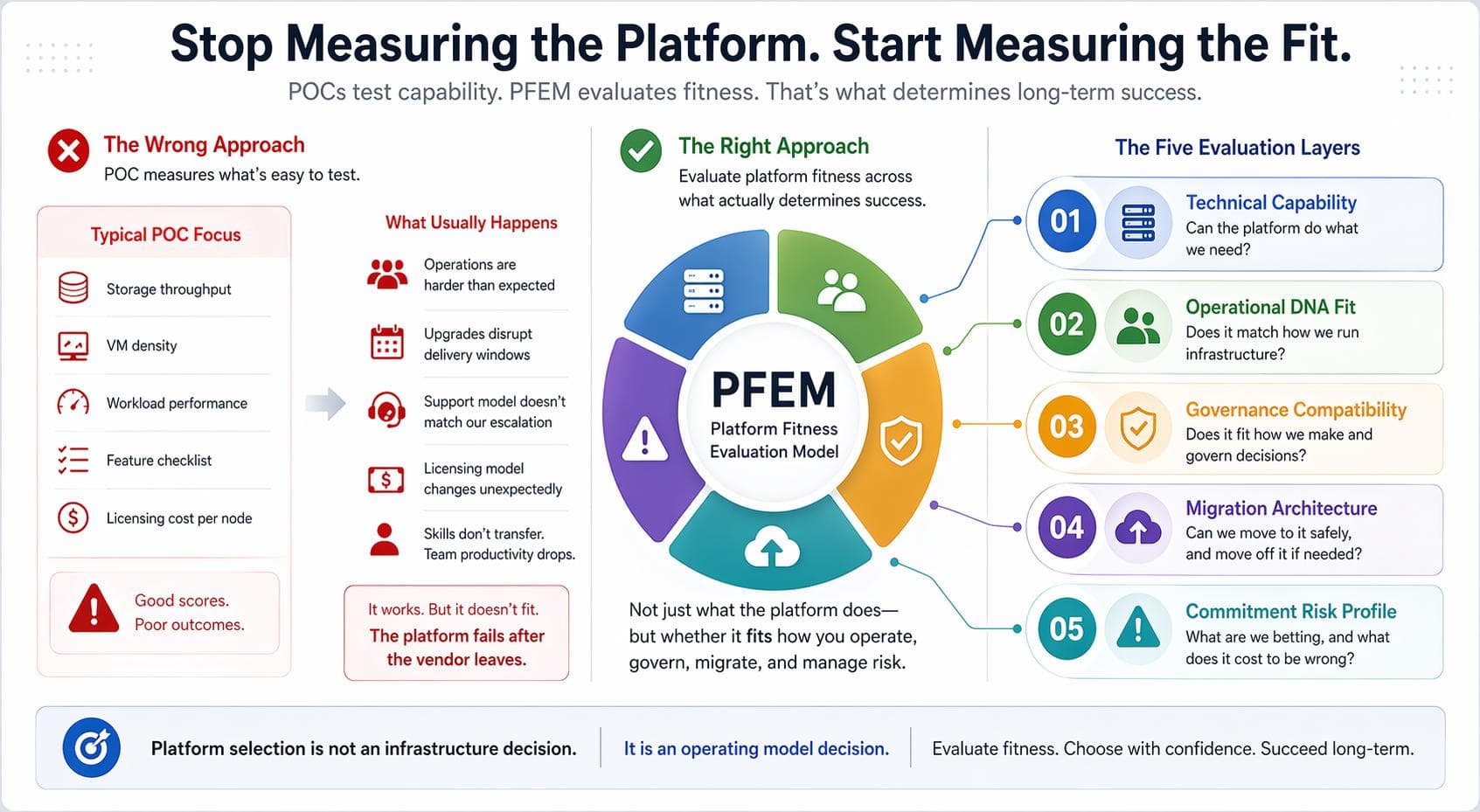
Most organizations evaluate private cloud and HCI platforms by running a technical POC. The POC passes. The platform fails. The reason is structural — and fixable. The Platform Fitness Evaluation Model (PFEM) tells you what to measure instead.
...failure, what would your experience be?" That answer tells you more than any benchmark. Layer 3: Governance Compatibility Most organizations skip this layer entirely. The core question: Does this...