Search
Find insights, training programs, and workshops
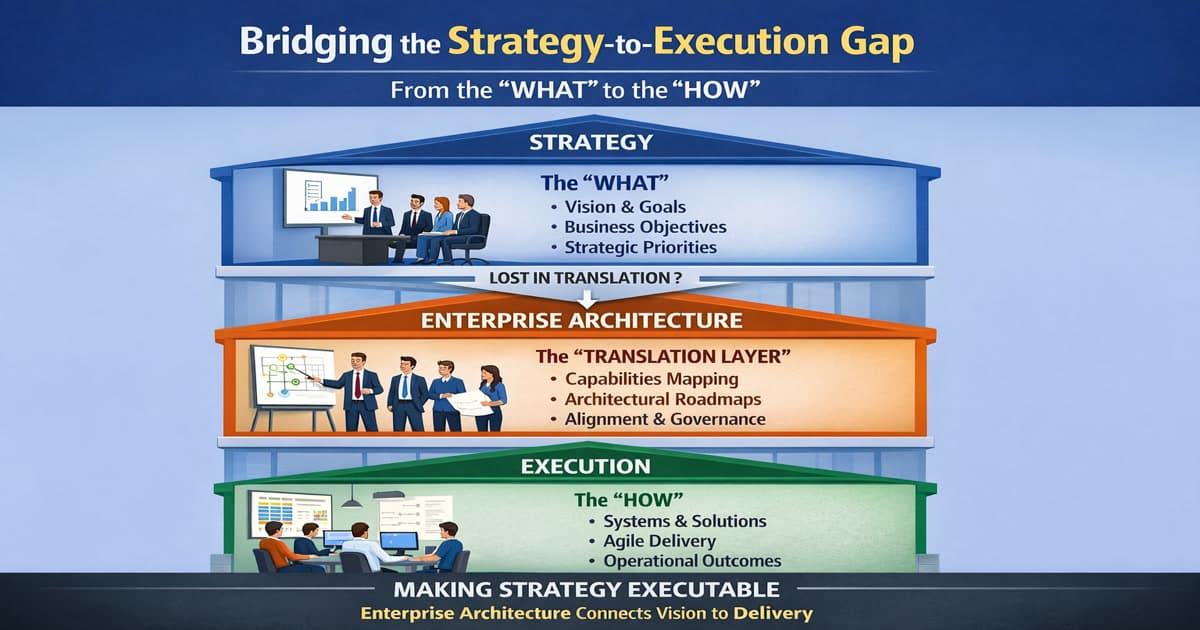
Why strategic intent evaporates before it reaches engineering teams — and how Enterprise Architecture creates the translation layer that makes organizational strategy executable.
...capability traceability as required fields. Evidence from Practice A retail company I worked with had a leadership team that approved strategy annually and a delivery team that interpreted it quarterly. By...
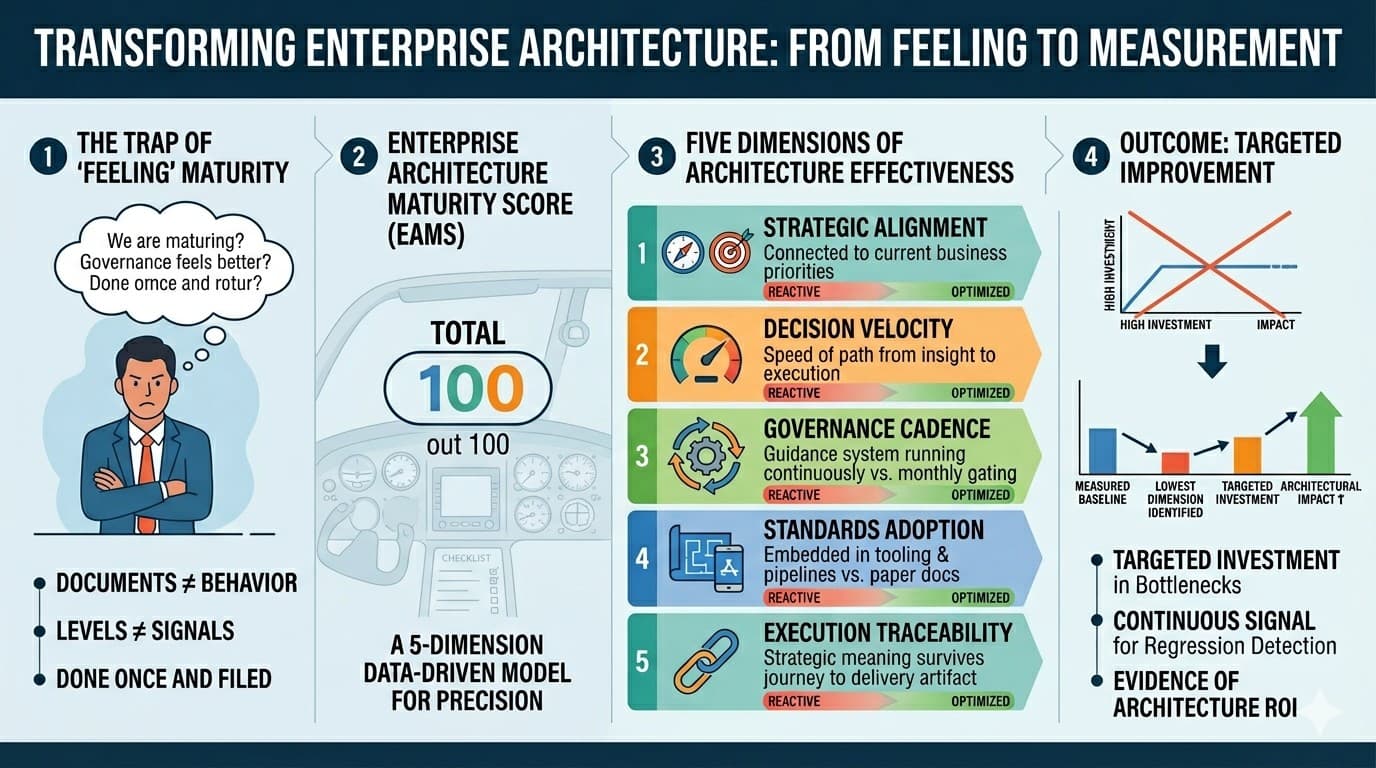
Enterprise architecture maturity is not a feeling. It is a score. Organizations that cannot measure their architecture maturity cannot improve it. The EAMS model gives you the score.
...a business objective? This dimension measures how much strategic meaning survives the journey from leadership to delivery. Low score: Strategy is translated three times before it reaches engineering....
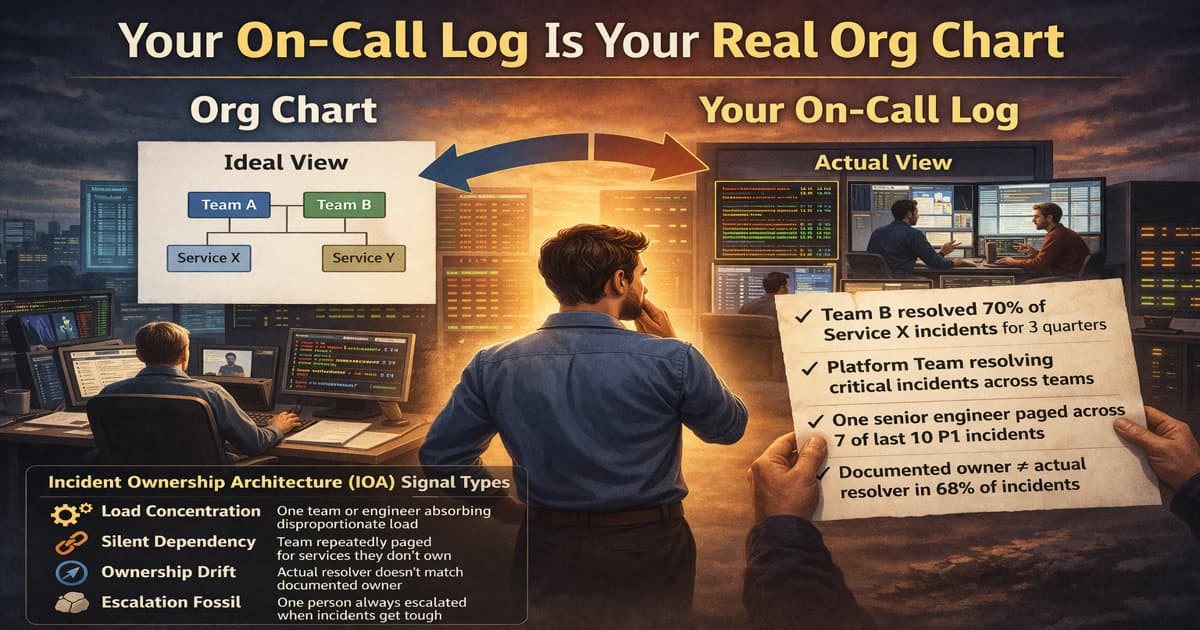
Why on-call rotation data is the most accurate org chart your engineering organisation has — and almost nobody uses it to make structural decisions.
...impact: Org changes that target real structural gaps, reduced key-person dependency, and engineering leadership decisions that cannot be undone by the first resignation The Timetable Planner and the Control...
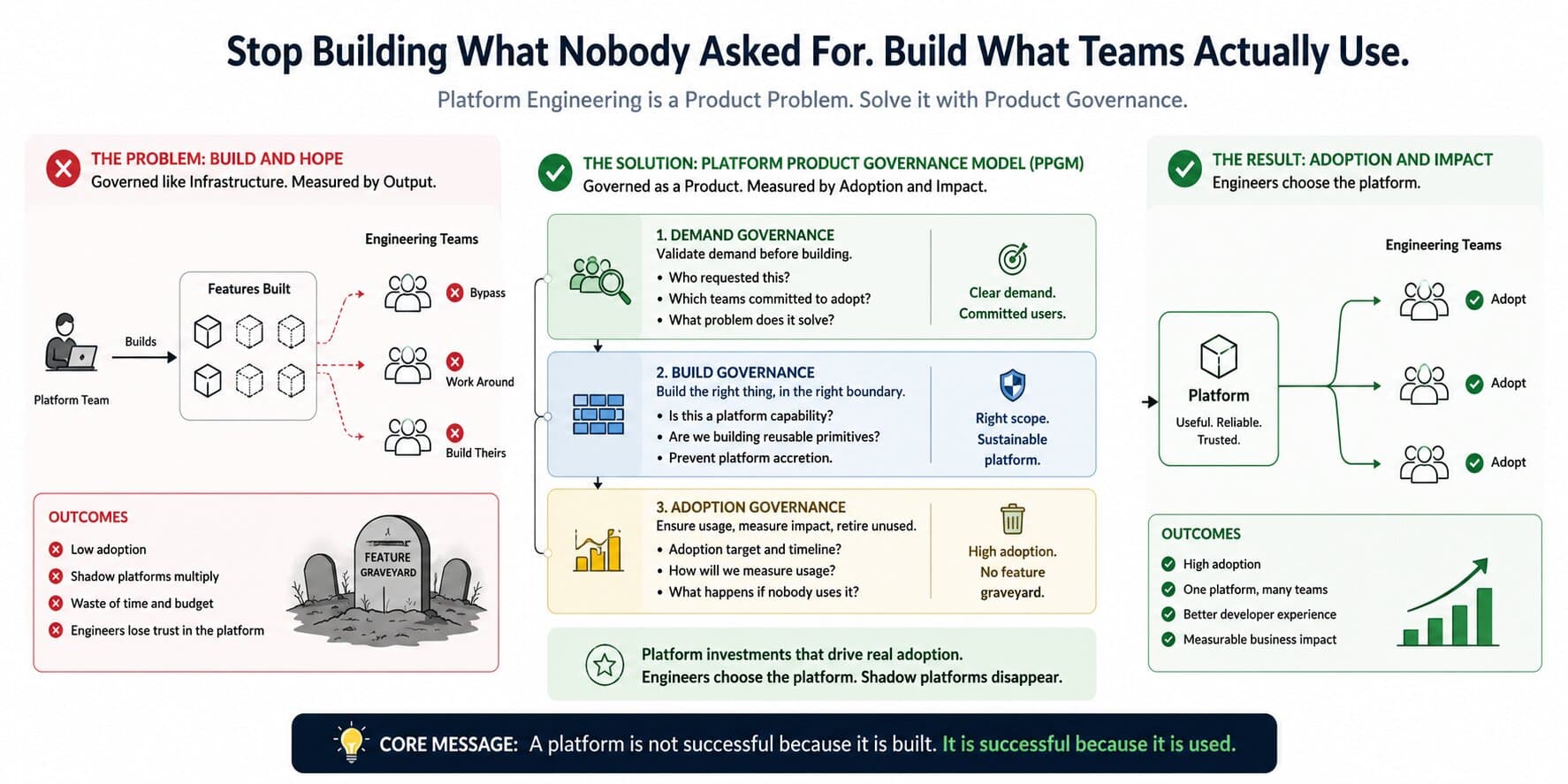
Most platform teams build internal products their engineering teams never chose. Platform adoption is not a marketing problem. It is a product governance problem. Here is the model that fixes it.
...silently choose not to participate. Measured by Output, Not Outcome The platform team reports to leadership: Five new capabilities delivered this quarter Platform uptime at 99.9% One hundred tickets...
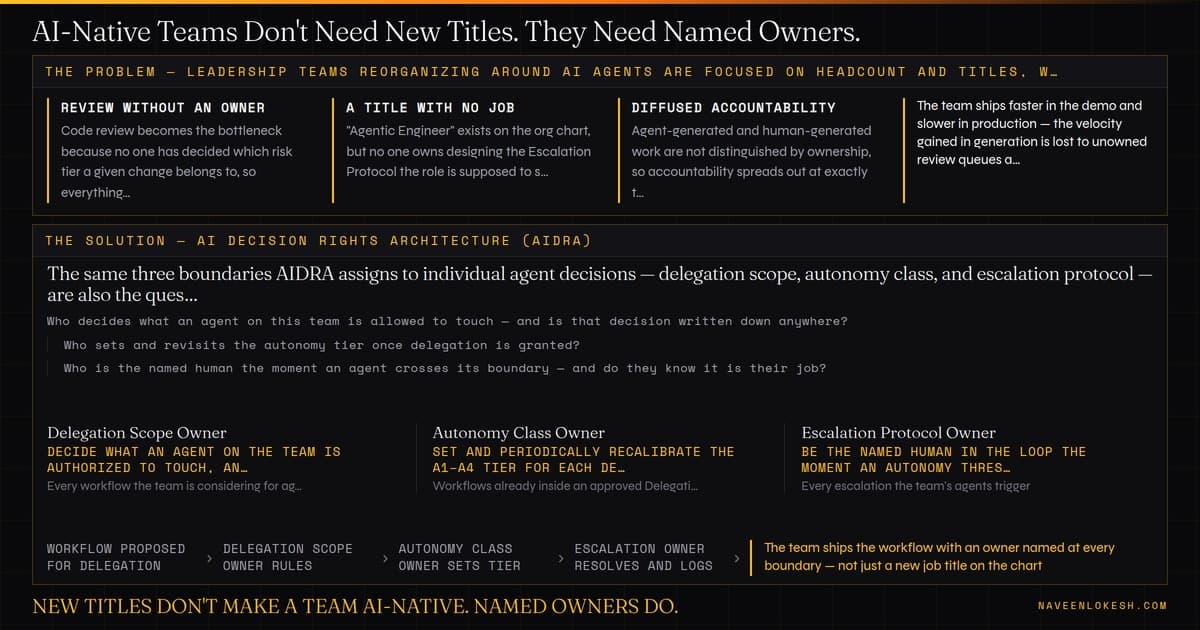
AI-native team redesigns keep adding new job titles and calling it done. The actual failure mode sits at the decision boundary. Here is what changes when you apply AIDRA to team design instead of headcount.
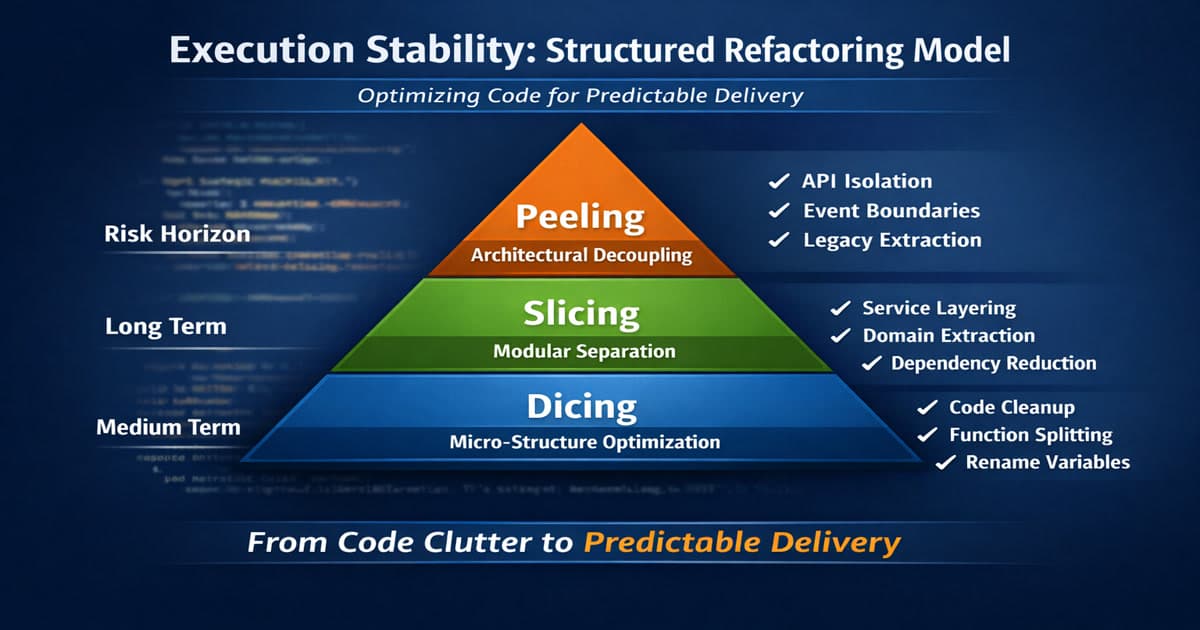
A practical framework for reducing delivery slowdown caused by unmanaged structural code complexity — improving cycle time, reducing regression risk, and clarifying ownership boundaries.
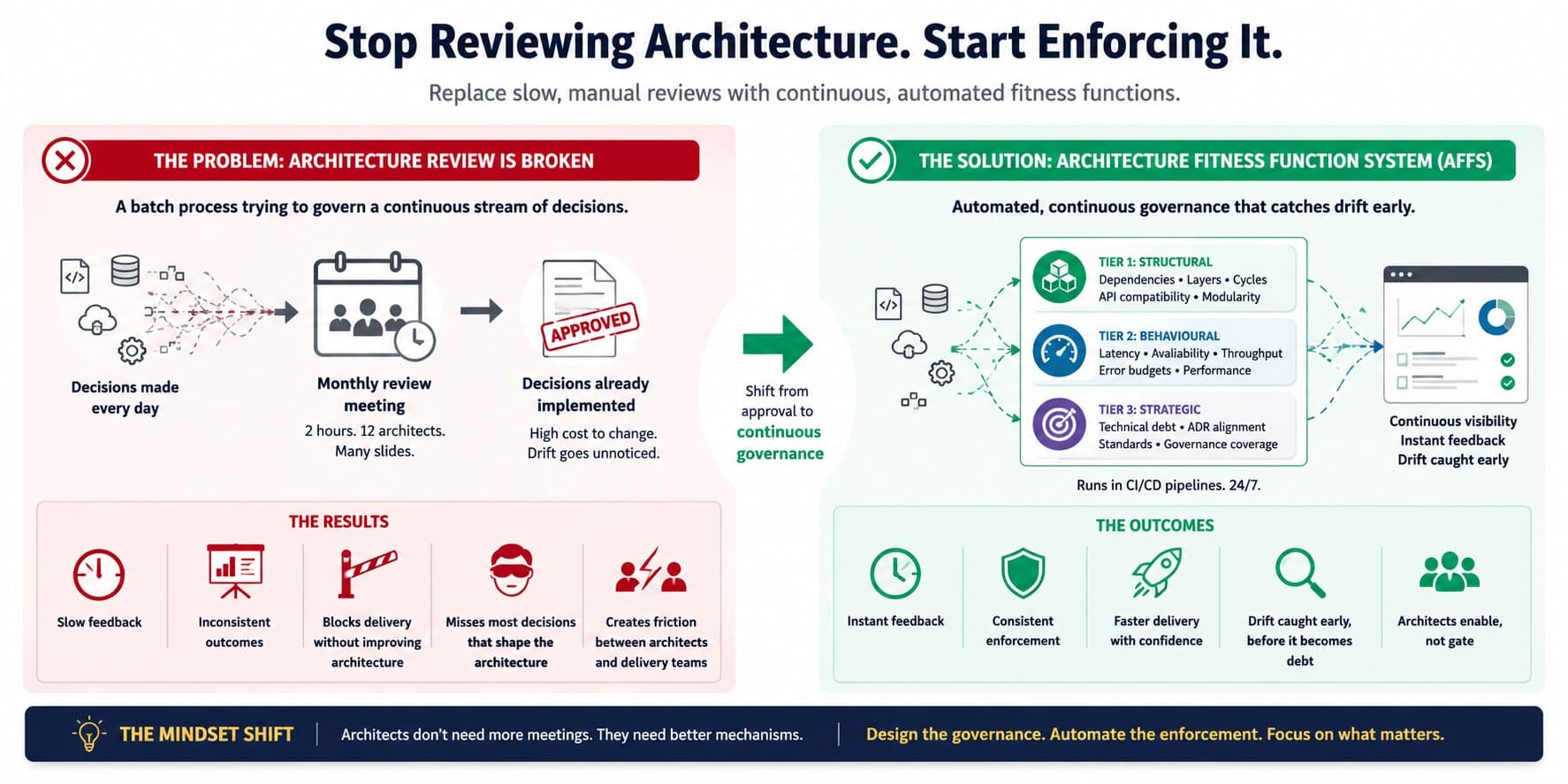
The architecture fitness function literature solved code-level governance. It never made the claim that the board itself becomes optional. Here is the missing argument — and the economics that prove the board is the slower and more expensive option.
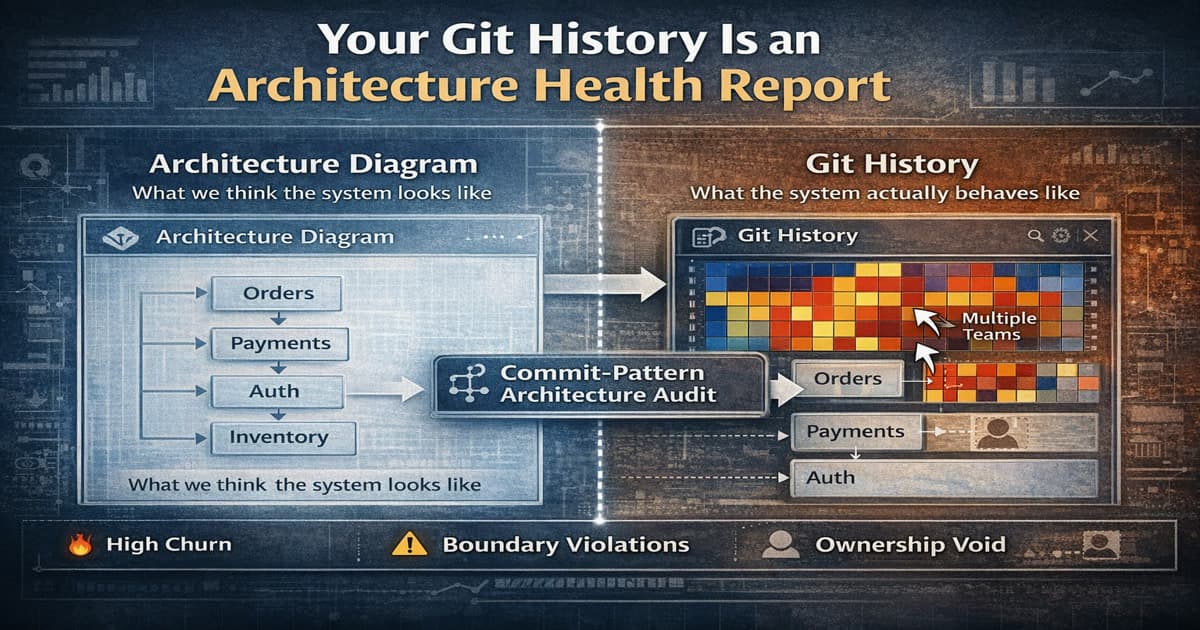
A practical architecture technique showing how Git commit patterns reveal structural instability, boundary violations, and ownership gaps in software systems.
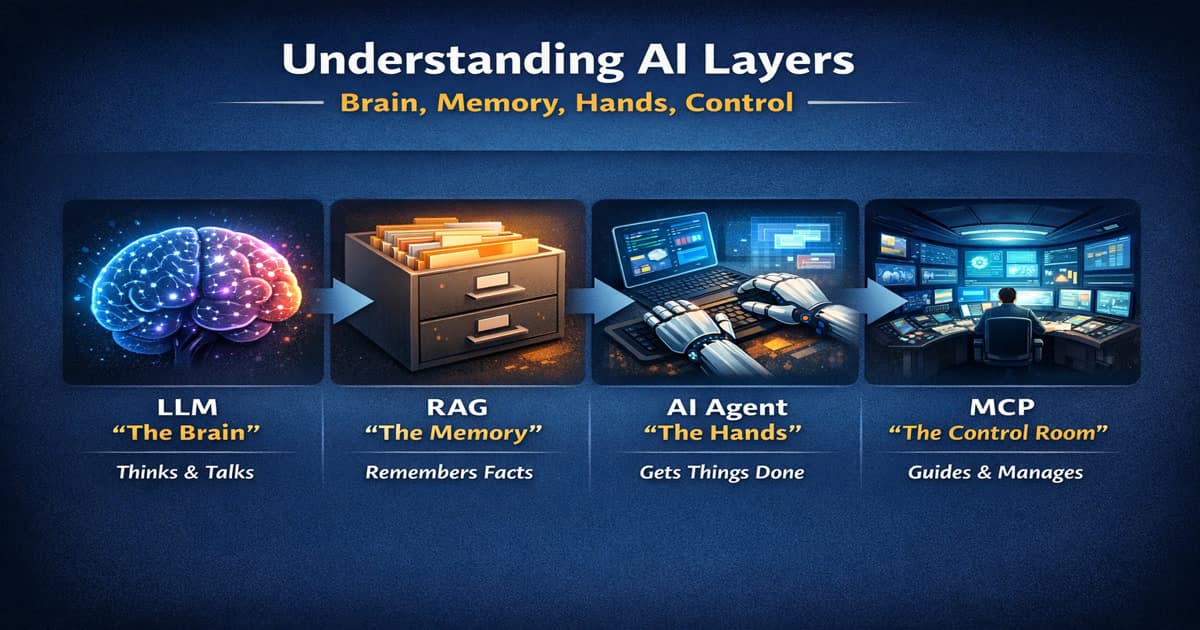
A clear executive guide explaining LLM, RAG, AI Agents, and MCP using the Brain model to prevent enterprise AI instability.
...allocated. Six months later: AI answers are inconsistent Costs fluctuate Security reviews slow progress Leadership questions ROI The problem is not intelligence. The problem is architectural clarity. The...
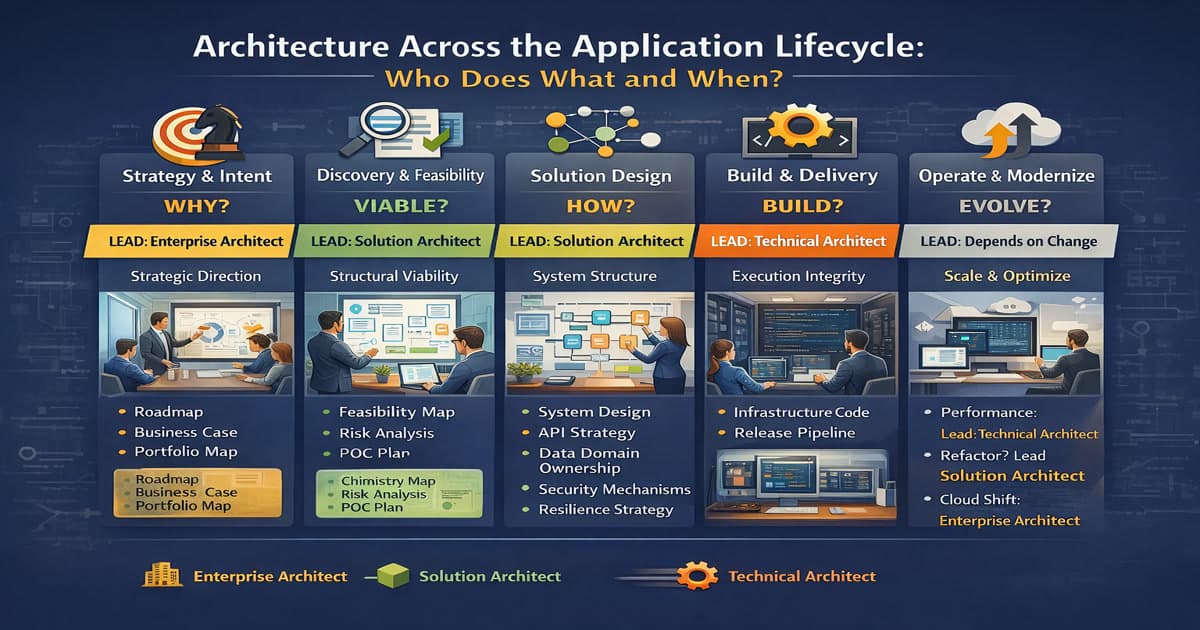
A practical guide explaining which type of architect is required at each stage of the application lifecycle to prevent governance friction and structural instability.
...altitude clarity. Architecture does not fail because roles are undefined. It fails because architectural leadership does not shift correctly across the application lifecycle. The Five Practical Lifecycle Stages Every...