Search
Find insights, training programs, and workshops
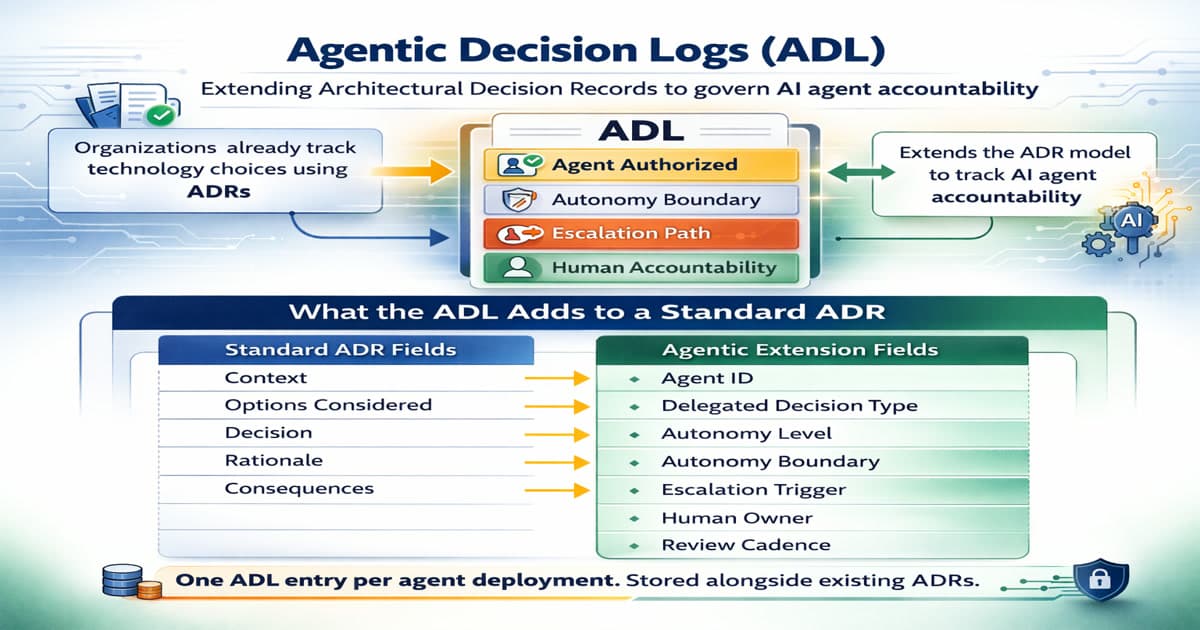
Why Architectural Decision Records are the only structure most organizations already have that can govern AI agent accountability — and how to extend them into an Agentic Decision Log before the EU AI Act deadline.
...Summary Who this is for: Enterprise Architects, CTOs, Solution Architects, Architecture Governance Teams Problem it solves: Organizations deploying AI agents have no structural record of who authorized...
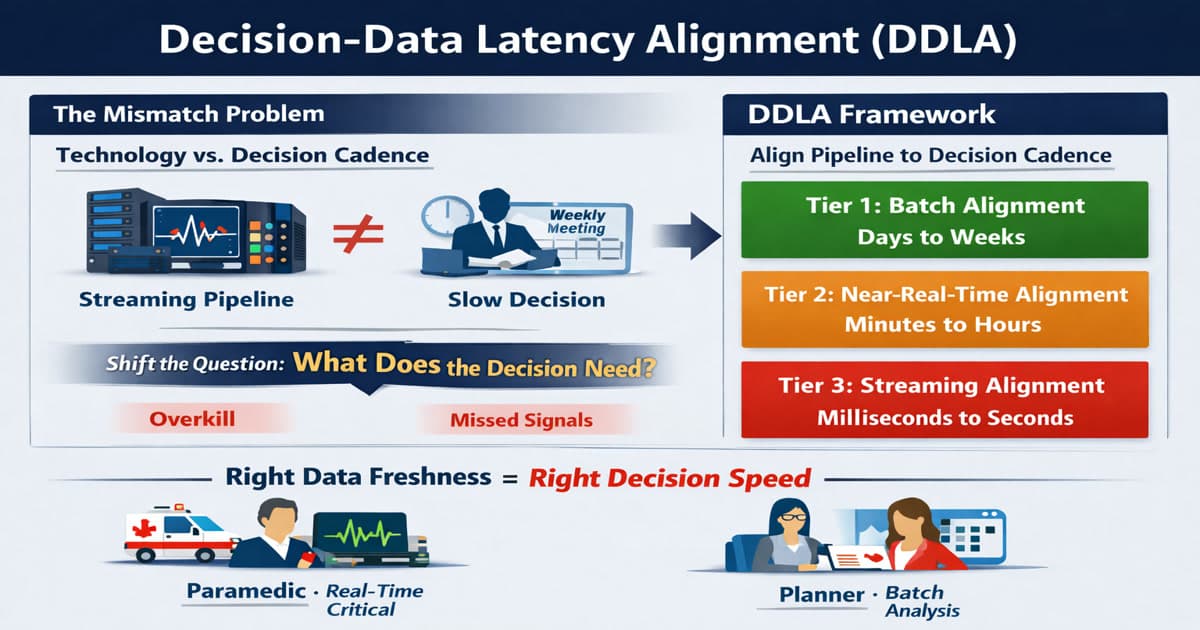
Organisations debate batch versus real-time as if it is a technical preference. It is not. It is a structural mismatch between data freshness and decision cadence — and the mismatch is where the cost lives.
Executive Summary Who this is for: CTOs, Data Architects, Enterprise Architects, Platform Engineering Leads Problem it solves: Organisations choosing data pipeline patterns based on...
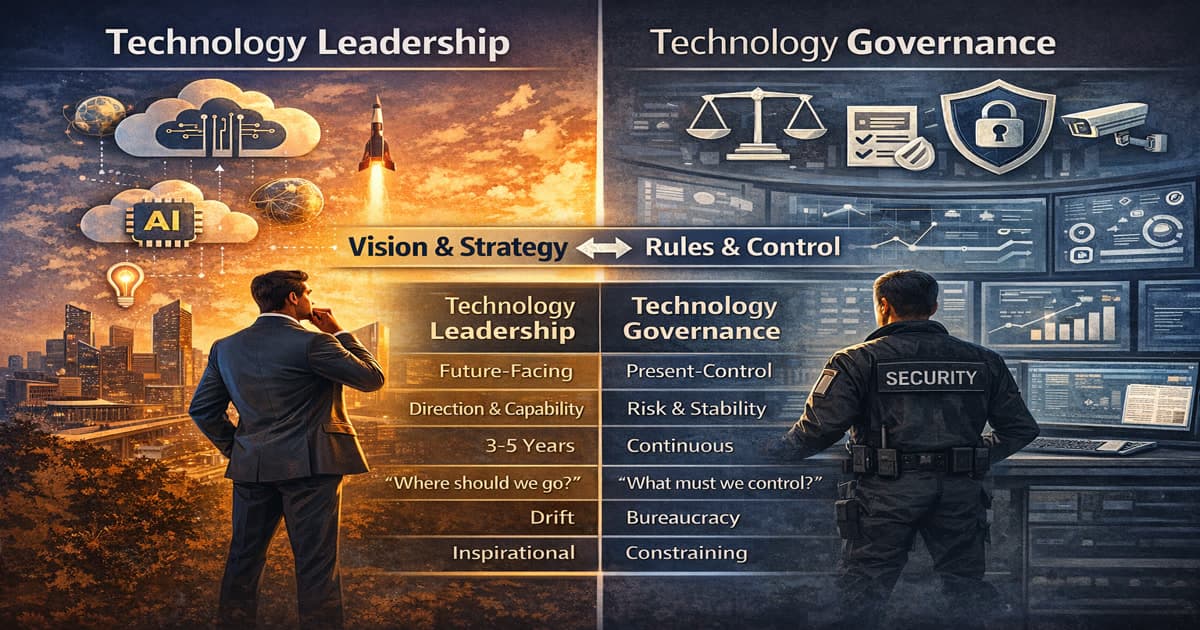
A structured executive guide explaining the difference between Technology Leadership and Technology Governance, and why confusing the two creates instability in enterprise execution.
...Leadership Without leadership: Technology becomes reactive Investments fragment Architecture drifts Teams optimize locally Strategic coherence weakens Governance cannot compensate for missing direction. It...
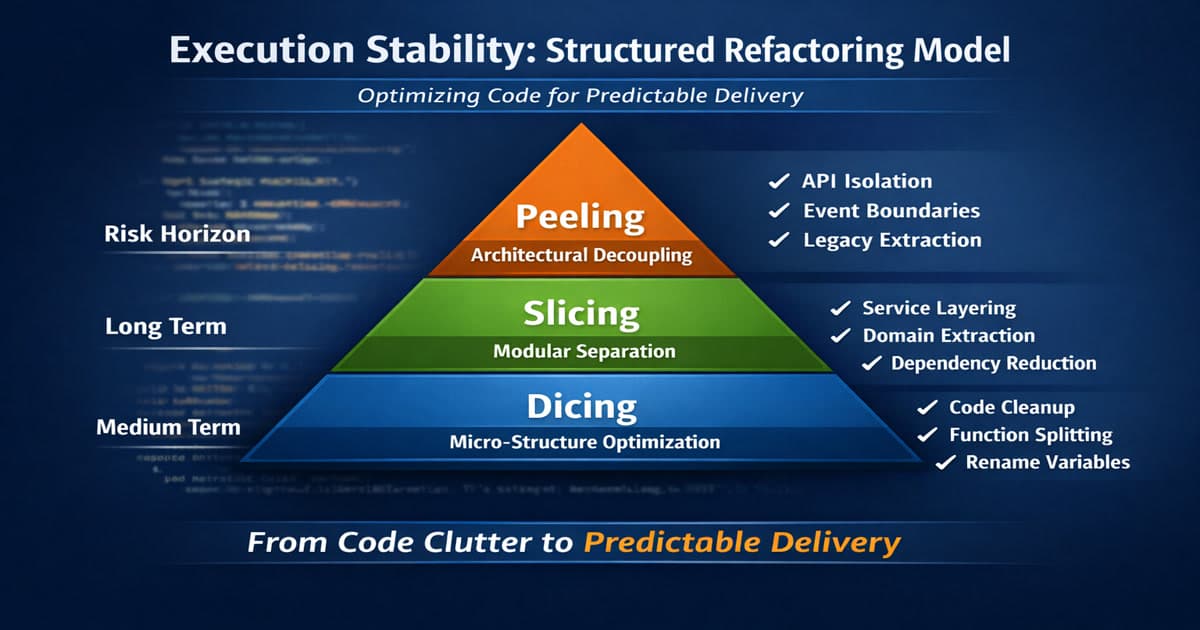
A practical framework for reducing delivery slowdown caused by unmanaged structural code complexity — improving cycle time, reducing regression risk, and clarifying ownership boundaries.
...Higher engineering throughput without increasing headcount The Silent Slowdown in Growing Engineering Teams Your team is shipping. But velocity is declining. Cycle time stretches from 5 days to 12. Regression...
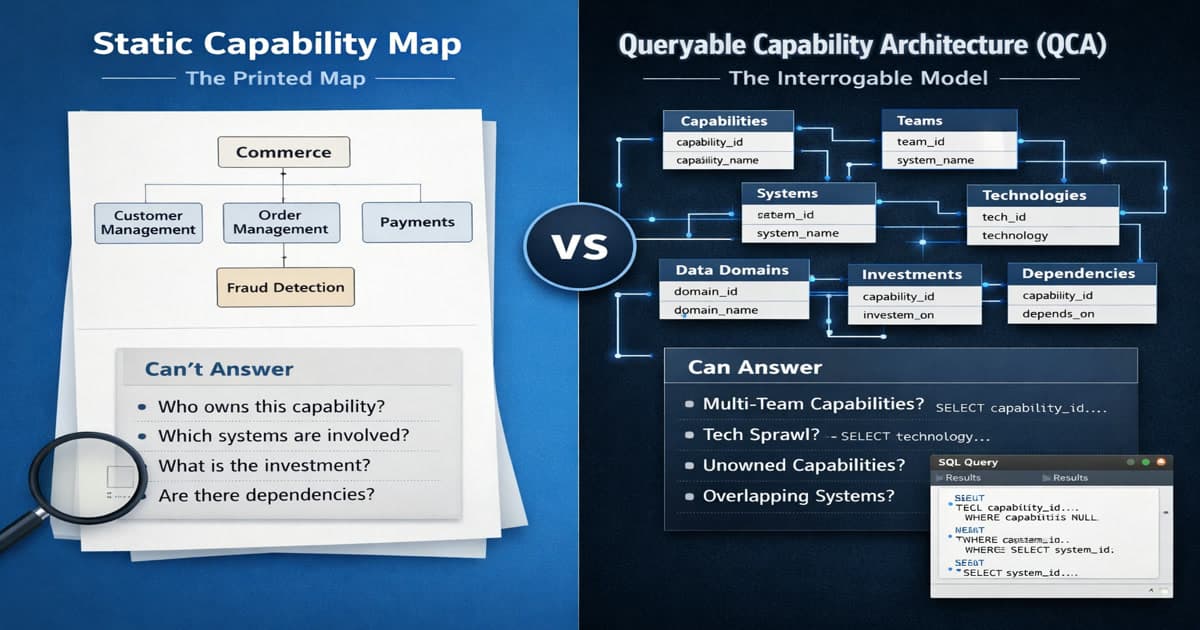
Why traditional capability maps fail to support governance decisions and how Queryable Capability Architecture turns static maps into interrogable decision systems.
...Summary Who this is for: Enterprise Architects, CTOs, Architecture Leads, Architecture Governance Teams Problem it solves: Traditional capability maps are static diagrams that cannot answer governance...
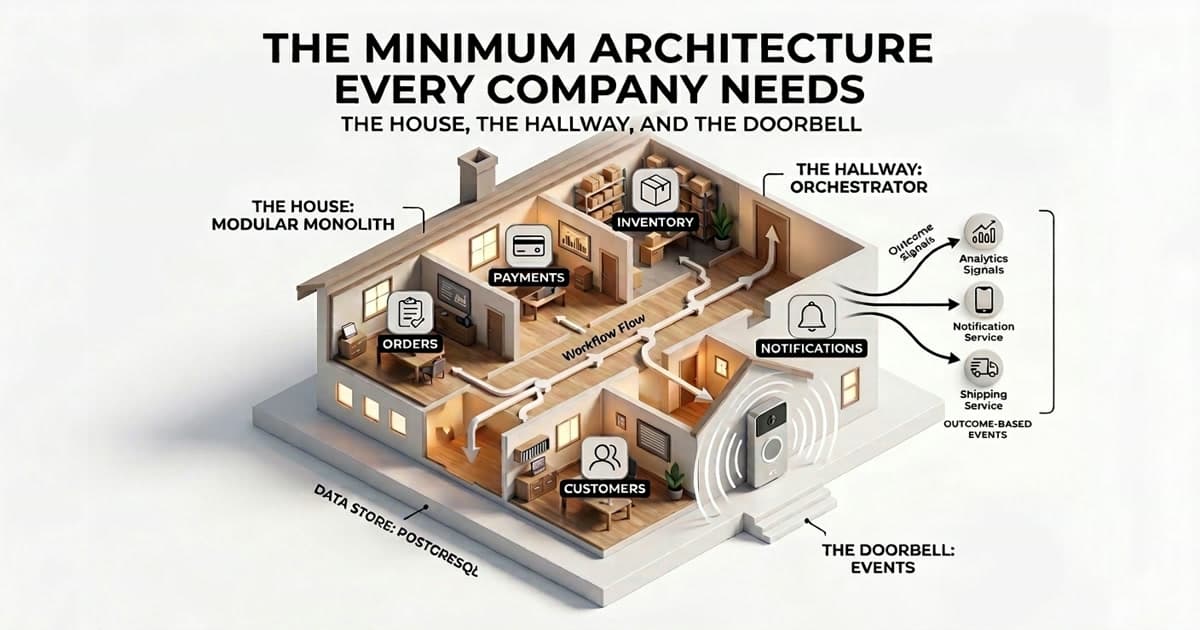
A practical architectural model explaining why most companies only need a modular monolith, a workflow orchestrator, and outcome-based events.
...before they actually need them Key outcome: A simple architectural model that scales further than most teams expect Time to implement clarity: 30–60 days Business impact: Faster development, lower operational...
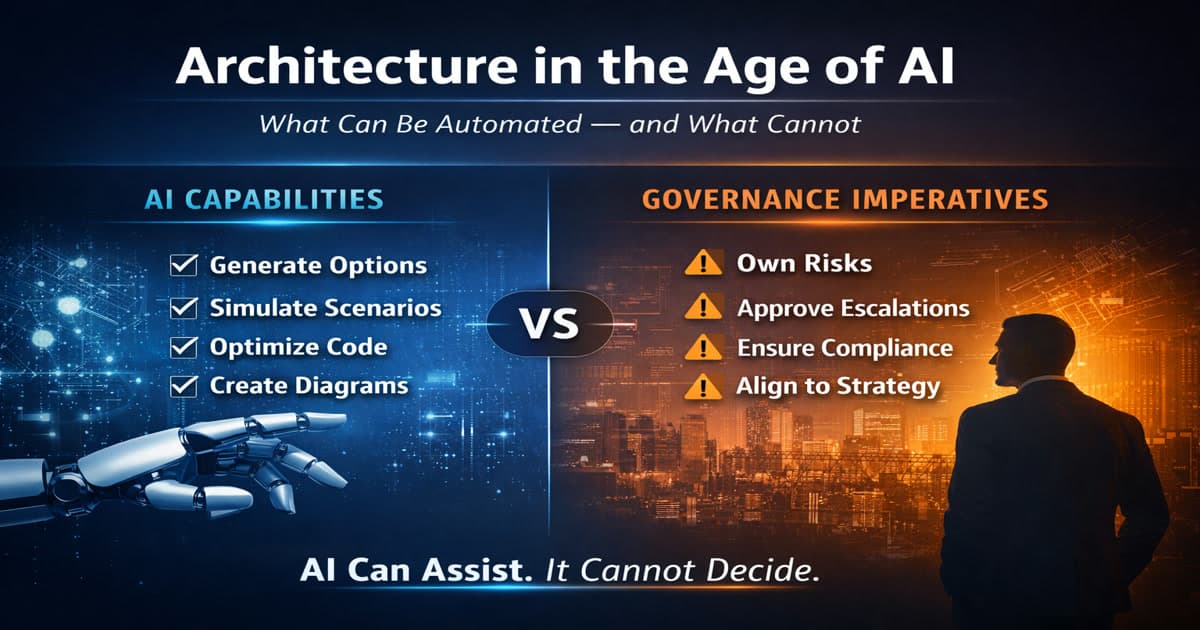
A governance-driven perspective explaining why software architecture cannot be automated because decision accountability and consequence ownership cannot be delegated to AI.
...estimation AI excels here. This layer is optimizable. Accountability & Governance Layer Who approves platform shifts? Who accepts resilience trade-offs? Who escalates cross-domain conflicts? Who absorbs...
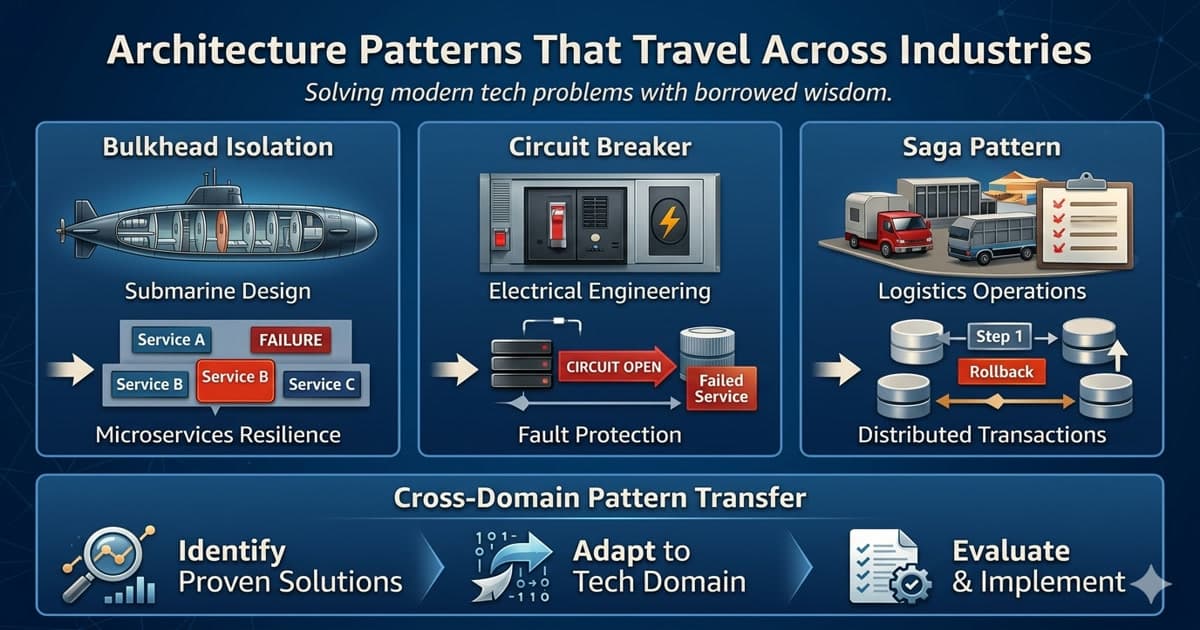
The patterns that solve your hardest distributed systems problems were already solved — in a submarine, a postal sorting office, and an electrical panel. Most architects never look.
...built since. Now consider the software architect, one hundred years later. Designing a microservices platform. One service is taking on too much load. Failures are cascading. One overwhelmed thread pool...
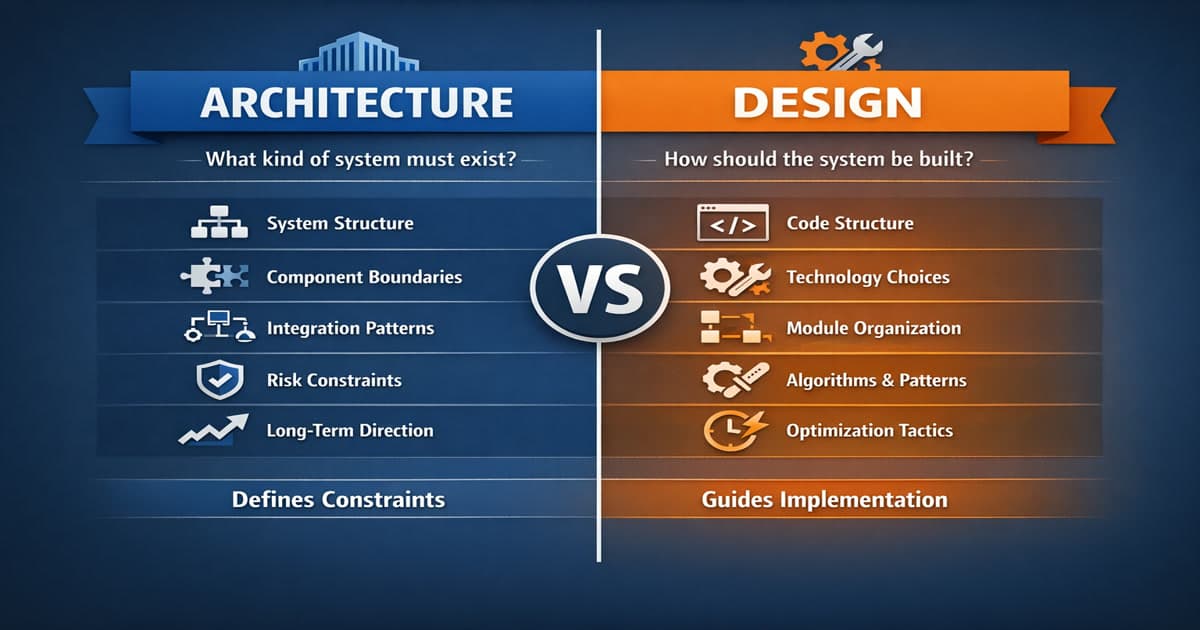
A clear explanation of the difference between architecture and design, why organizations confuse them, and how this confusion creates structural instability in technology systems.
...selection Code structure This slows delivery. Architecture governance becomes bureaucratic. Engineering Teams Redefine Architecture Developers make decisions like: Introducing new integration patterns Redefining...
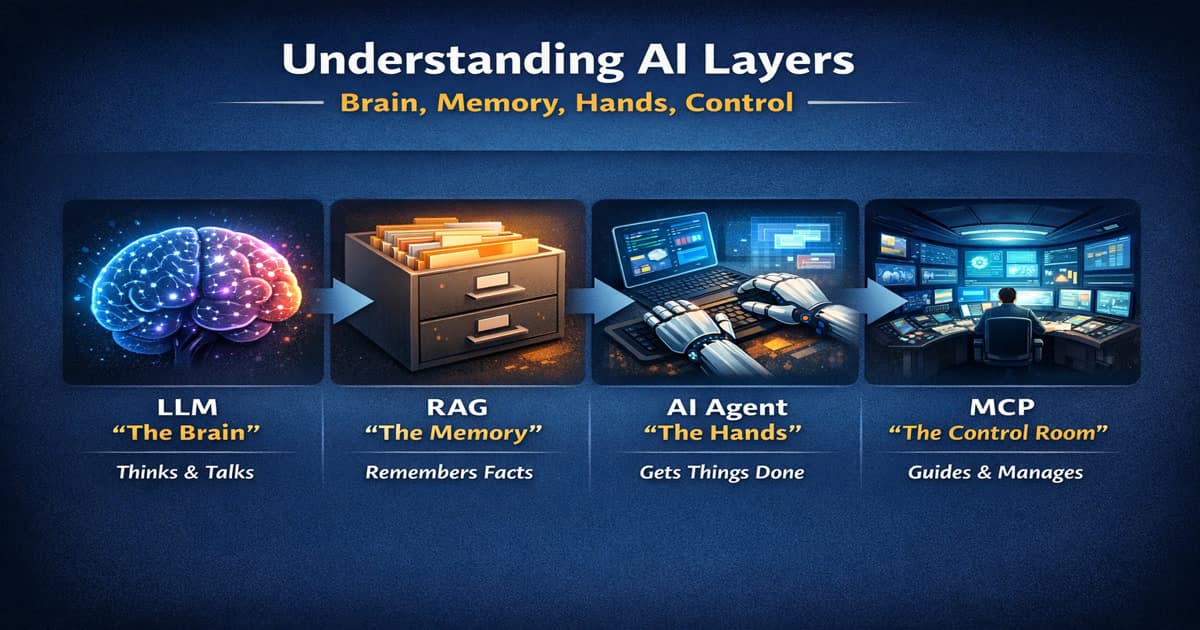
A clear executive guide explaining LLM, RAG, AI Agents, and MCP using the Brain model to prevent enterprise AI instability.
...workflow Align AI with enterprise architecture governance Success Metric: AI governed like any core platform Resource Estimate: Enterprise Architect AI Engineer Security & Compliance representation Evidence...