Search
Find insights, training programs, and workshops

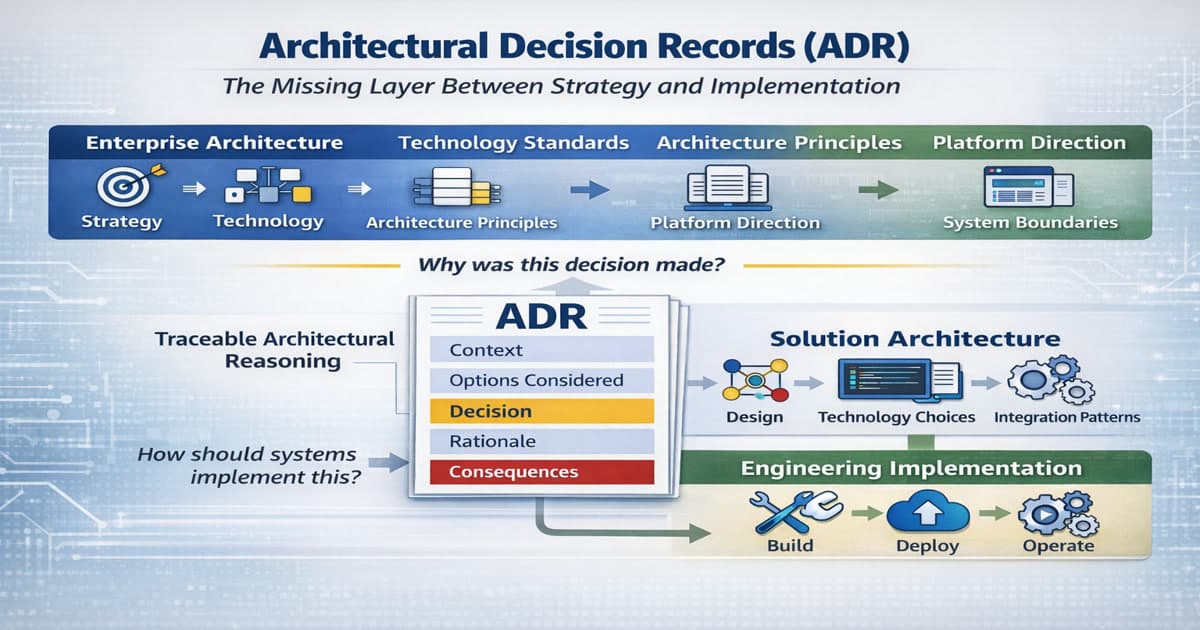
A practical guide explaining why Architectural Decision Records (ADR) are the missing link between enterprise architecture strategy and engineering implementation.
...architecture discipline. They have: Strategy documents Architecture diagrams Governance boards Delivery teams Yet something important is missing. The decision logic behind architecture choices. Engineers see...

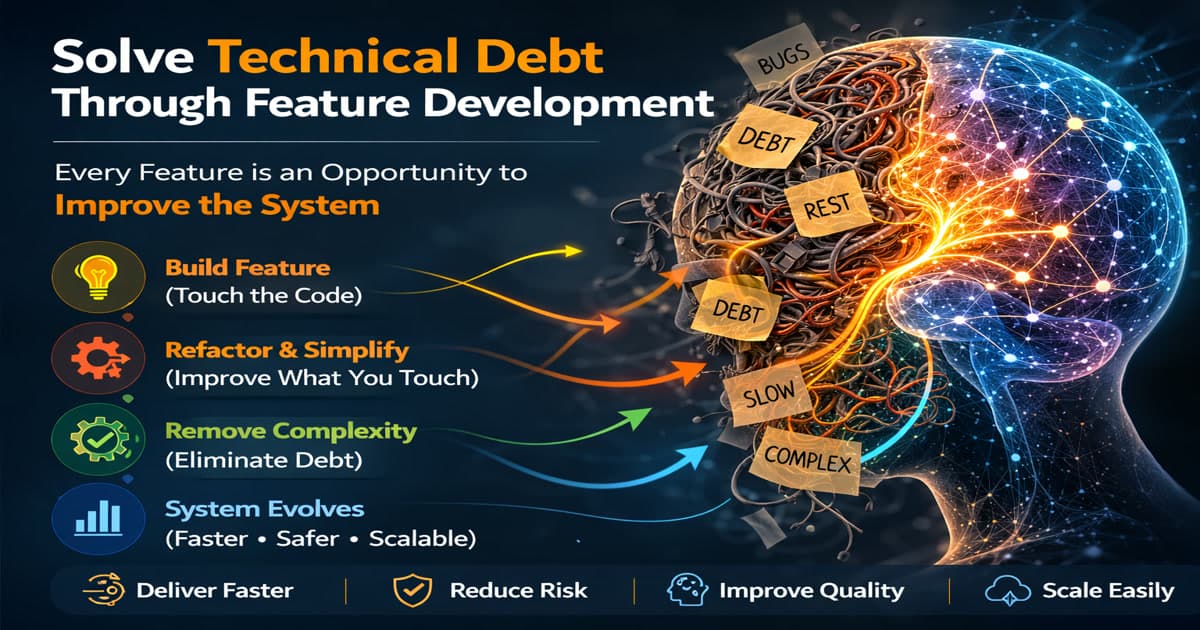
A practical framework explaining how organizations can systematically reduce technical debt while delivering new features, instead of running disruptive modernization programs.
...product delivery The Technical Debt Trap Every engineering organization recognizes technical debt. Teams say: “We should refactor this.” “This module needs redesign.” “We need to clean up the architecture.”...

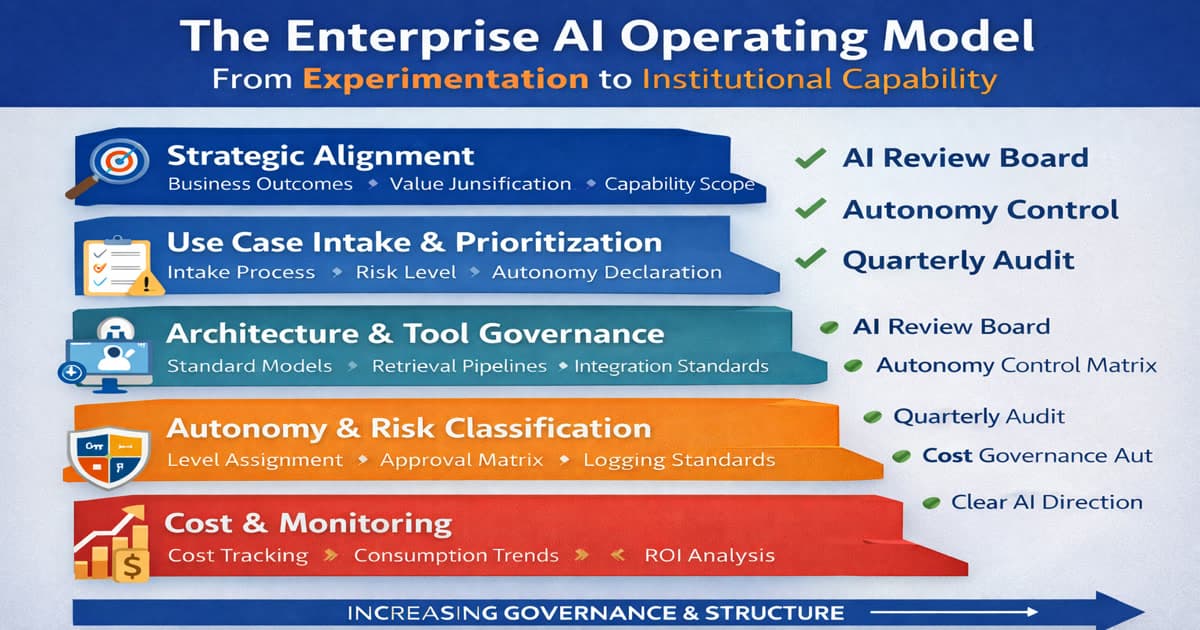
A structured executive guide explaining how to move from AI experimentation to an Enterprise AI Operating Model with governance, autonomy control, and cost discipline.
...The Problem: AI Without an Operating Model Most organizations are experimenting with AI. Different teams: Use different models Build separate agents Integrate tools independently Run pilots without cross-review...

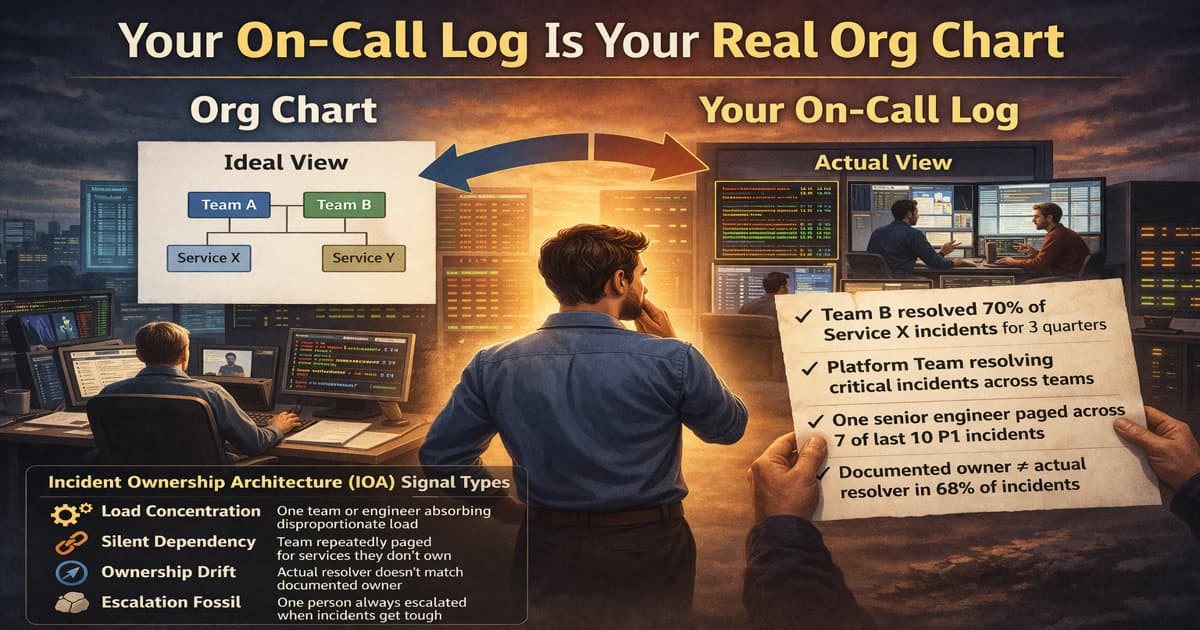
Why on-call rotation data is the most accurate org chart your engineering organisation has — and almost nobody uses it to make structural decisions.
...Planner and the Control Room Log A railway network publishes a timetable. The timetable is precise. Platform allocations. Crew assignments. Connection windows. Dwell times. Every train has an owner. Every...

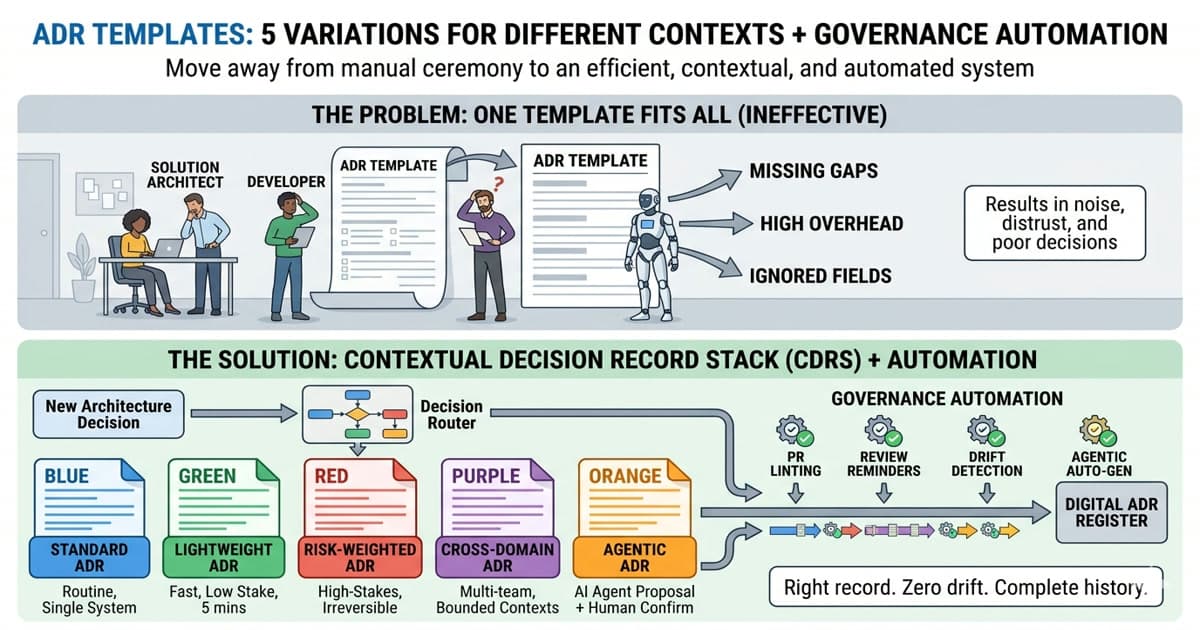
One ADR template does not fit every architectural context. Five purpose-built variations — for standard decisions, agentic AI, cross-domain impact, fast delivery, and high-risk reversals — plus governance automation to make the system run without manual follow-up.
...defined by four variables: Reversibility — how costly is it to undo? Blast radius — how many systems or teams are affected? Decision origin — human or agent? Velocity requirement — does this need to be decided...

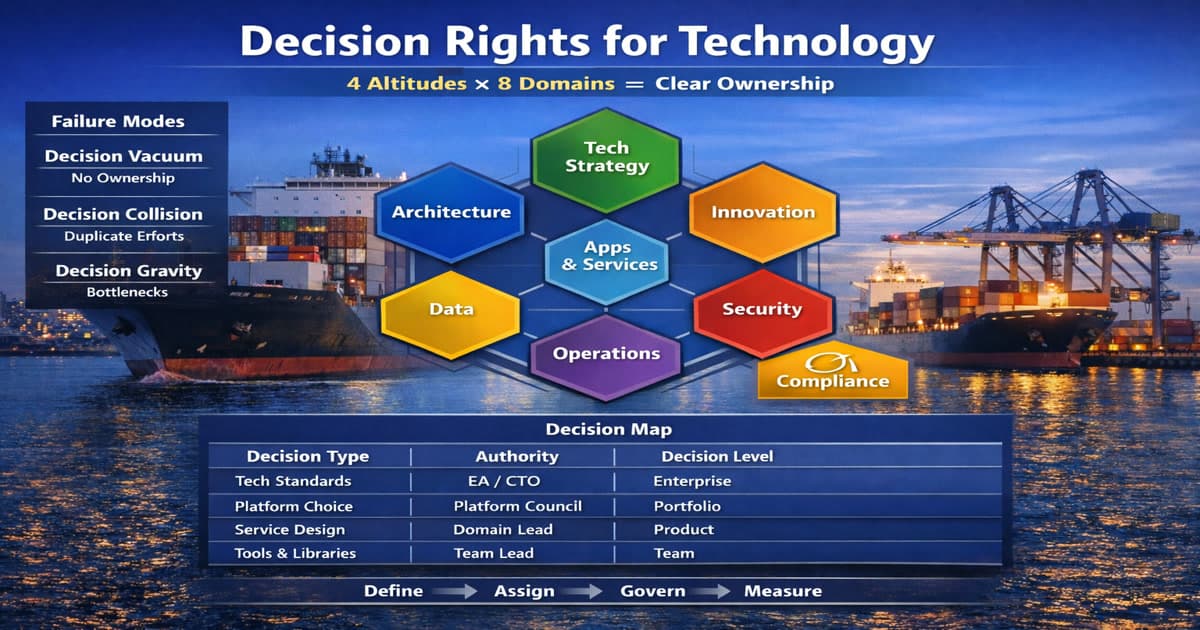
Why most enterprises confuse escalation ladders with decision rights — and how Technology Decision Domain Architecture maps exactly who decides what, at which altitude, before the conflict arrives.
...1: Decision Vacuum Nobody is certain who holds authority for a class of decision. So nobody decides. Teams wait. Delivery stalls. The work technically belongs to someone — but nobody wants to claim a decision...

Why Architectural Decision Records are the only structure most organizations already have that can govern AI agent accountability — and how to extend them into an Agentic Decision Log before the EU AI Act deadline.
...Summary Who this is for: Enterprise Architects, CTOs, Solution Architects, Architecture Governance Teams Problem it solves: Organizations deploying AI agents have no structural record of who authorized...

Organisations debate batch versus real-time as if it is a technical preference. It is not. It is a structural mismatch between data freshness and decision cadence — and the mismatch is where the cost lives.
Executive Summary Who this is for: CTOs, Data Architects, Enterprise Architects, Platform Engineering Leads Problem it solves: Organisations choosing data pipeline patterns based on...

A structured executive guide explaining the difference between Technology Leadership and Technology Governance, and why confusing the two creates instability in enterprise execution.
...Leadership Without leadership: Technology becomes reactive Investments fragment Architecture drifts Teams optimize locally Strategic coherence weakens Governance cannot compensate for missing direction....

A practical framework for reducing delivery slowdown caused by unmanaged structural code complexity — improving cycle time, reducing regression risk, and clarifying ownership boundaries.
...Higher engineering throughput without increasing headcount The Silent Slowdown in Growing Engineering Teams Your team is shipping. But velocity is declining. Cycle time stretches from 5 days to 12. Regression...