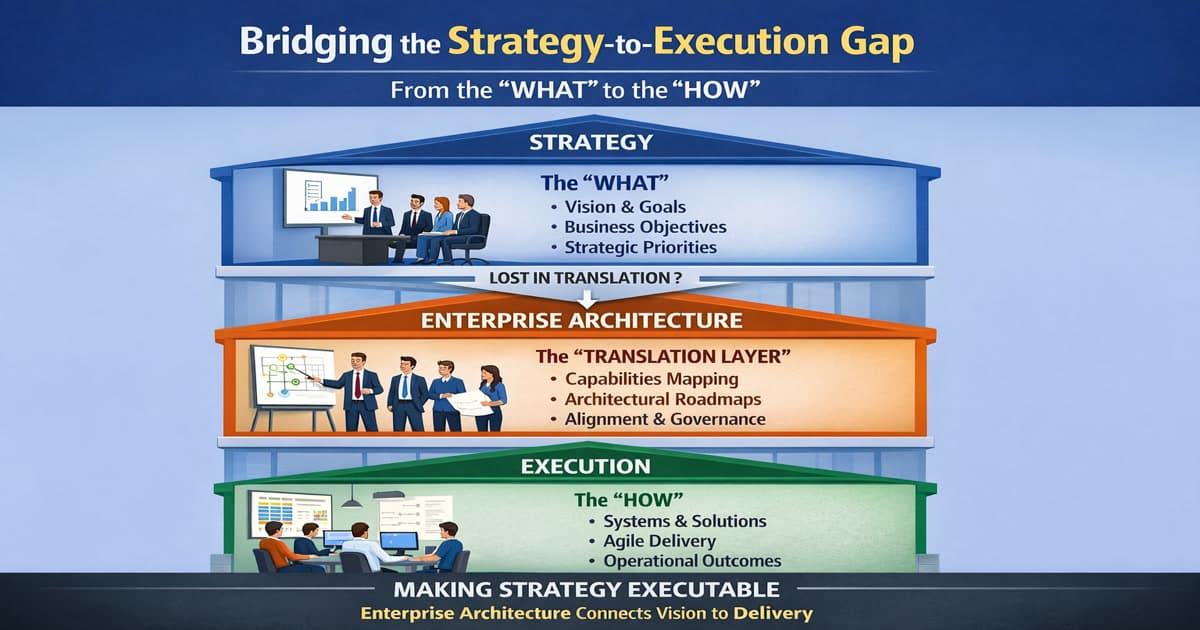
Why strategic intent evaporates before it reaches engineering teams — and how Enterprise Architecture creates the translation layer that makes organizational strategy executable.
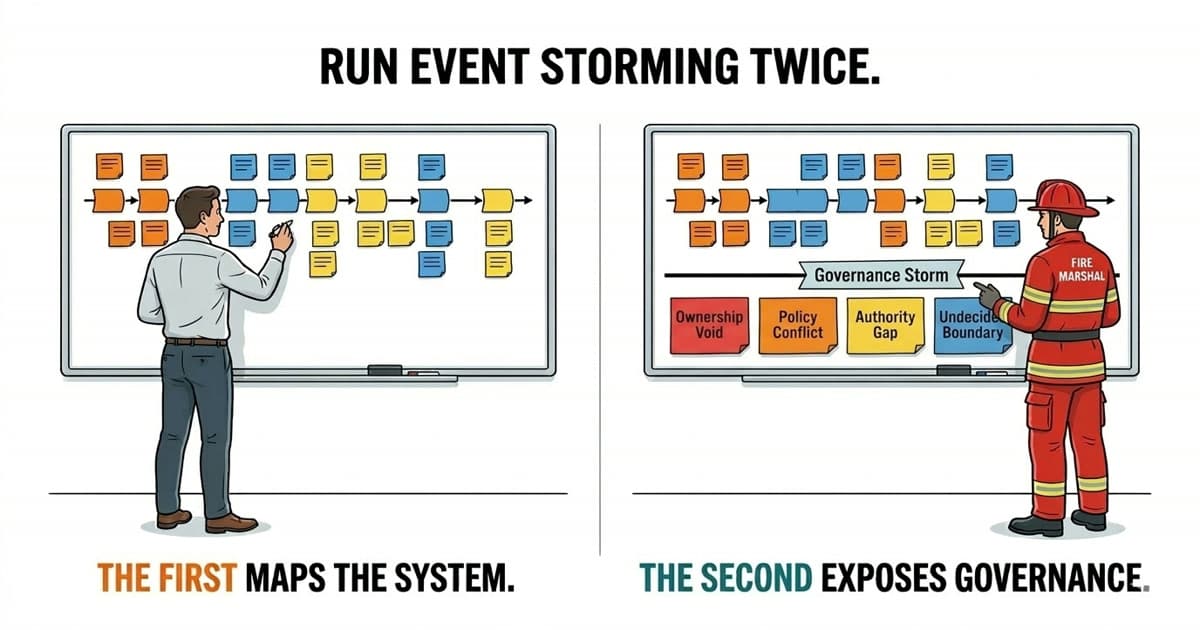
Why the second run of an Event Storming workshop — the one most teams never attempt — is the fastest way to surface governance gaps that architecture diagrams will never show.
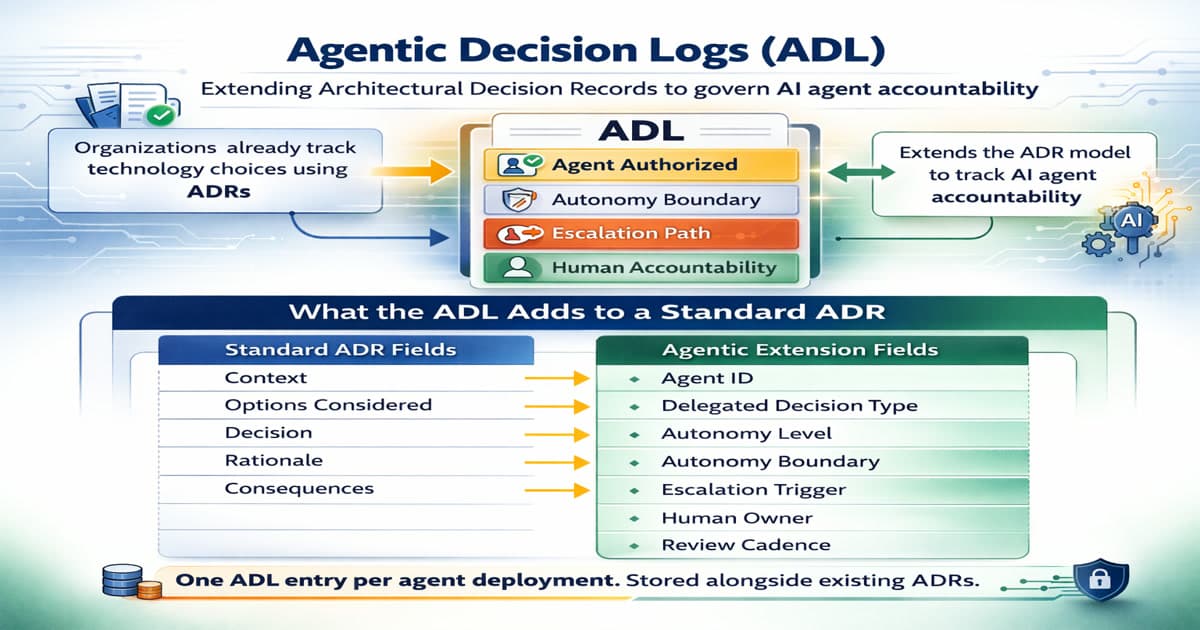
Why Architectural Decision Records are the only structure most organizations already have that can govern AI agent accountability — and how to extend them into an Agentic Decision Log before the EU AI Act's high-risk deadline arrives.
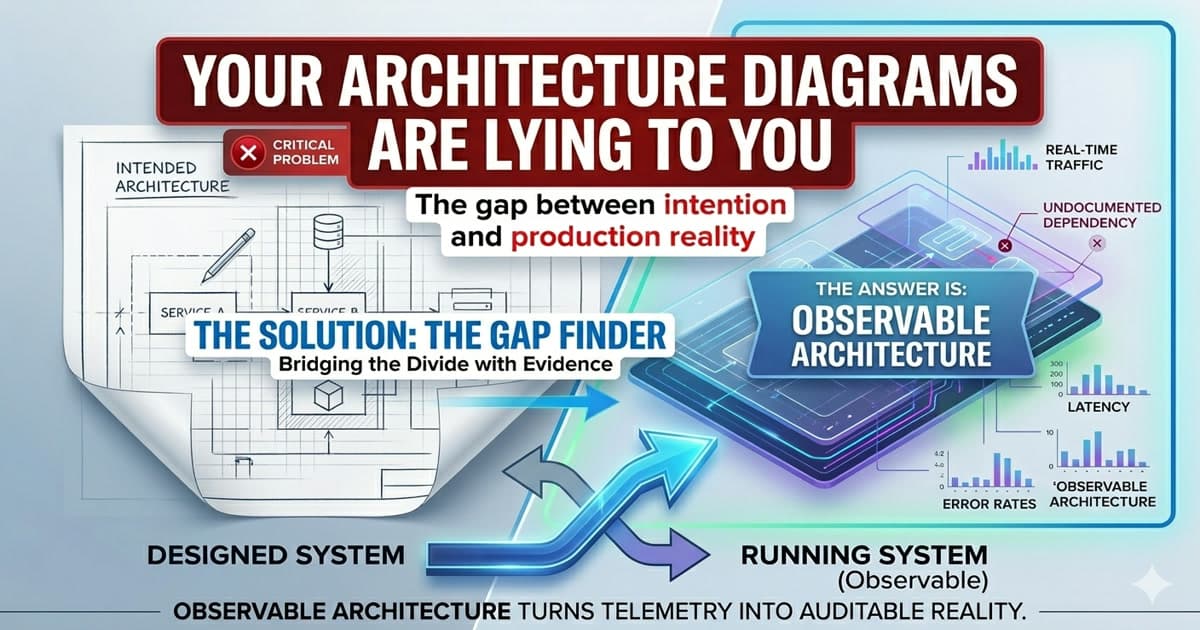
Why architecture diagrams describe a system that no longer exists, and how Observable Architecture uses production telemetry to reveal what is actually running.
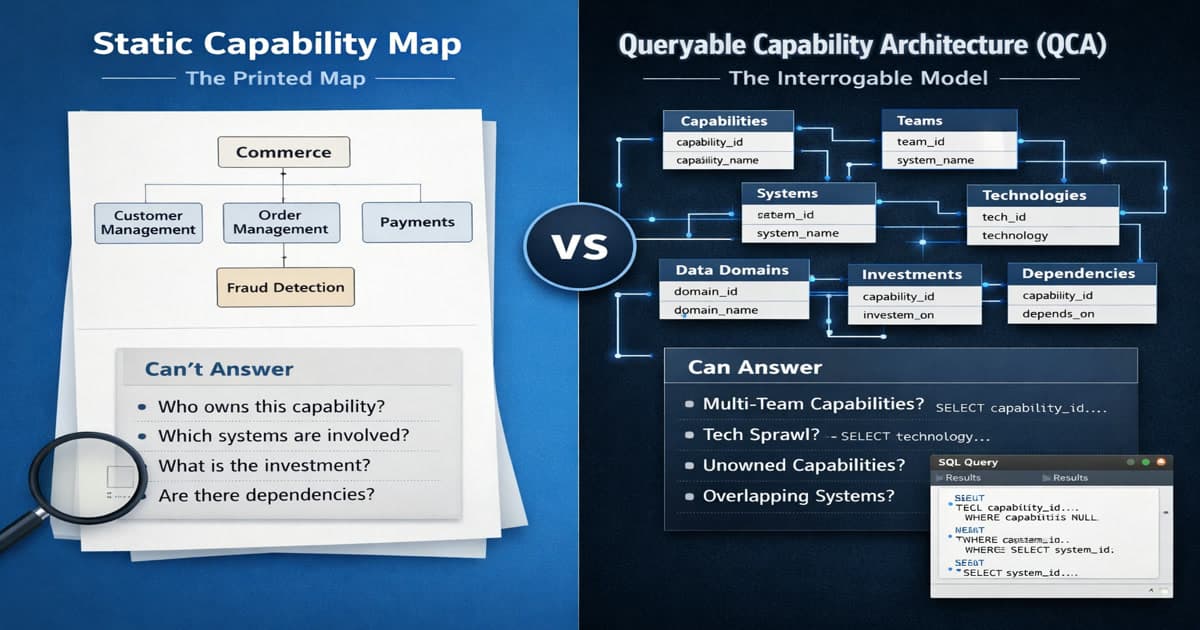
Why traditional capability maps fail to support governance decisions and how Queryable Capability Architecture turns static maps into interrogable decision systems.
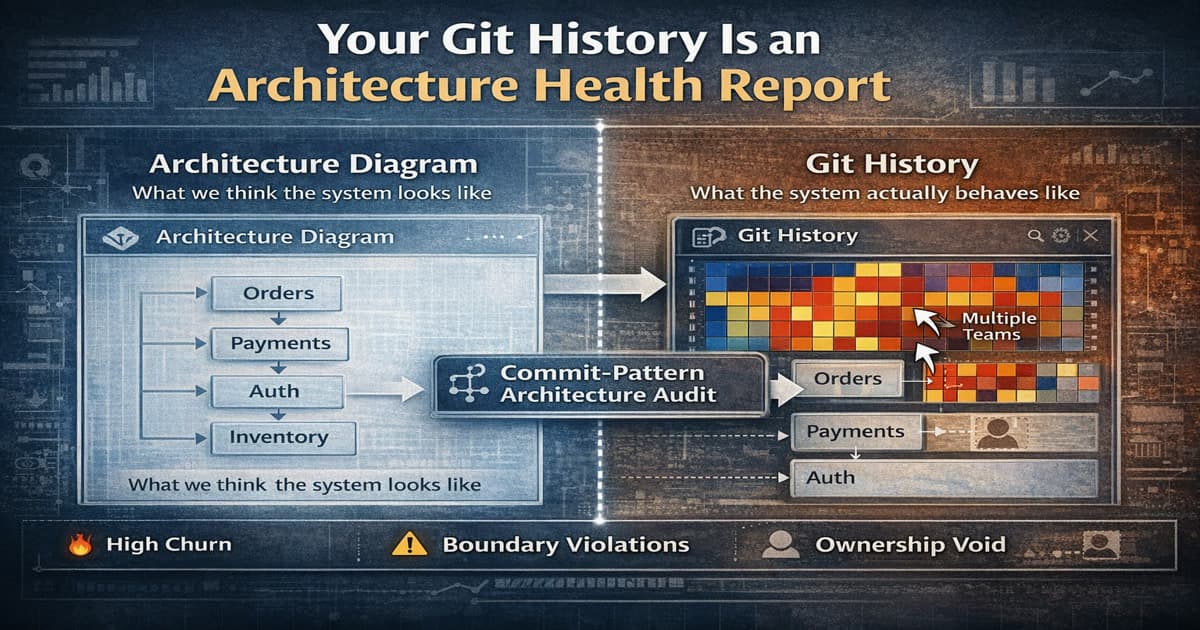
A practical architecture technique showing how Git commit patterns reveal structural instability, boundary violations, and ownership gaps in software systems.
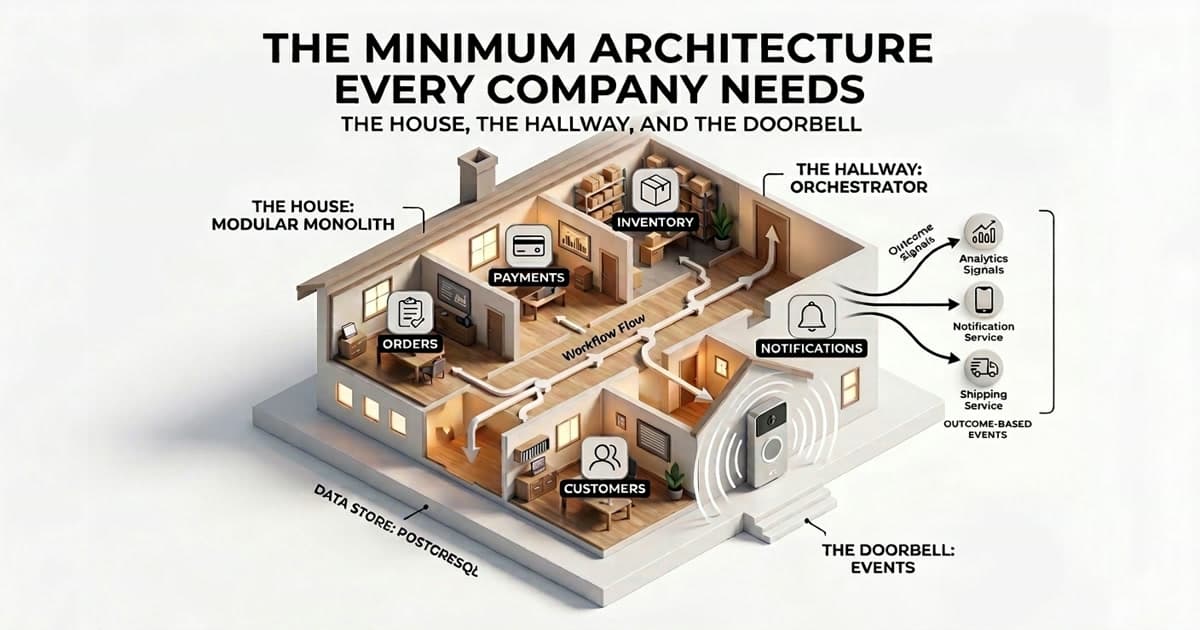
A practical architectural model explaining why most companies only need a modular monolith, a workflow orchestrator, and outcome-based events.
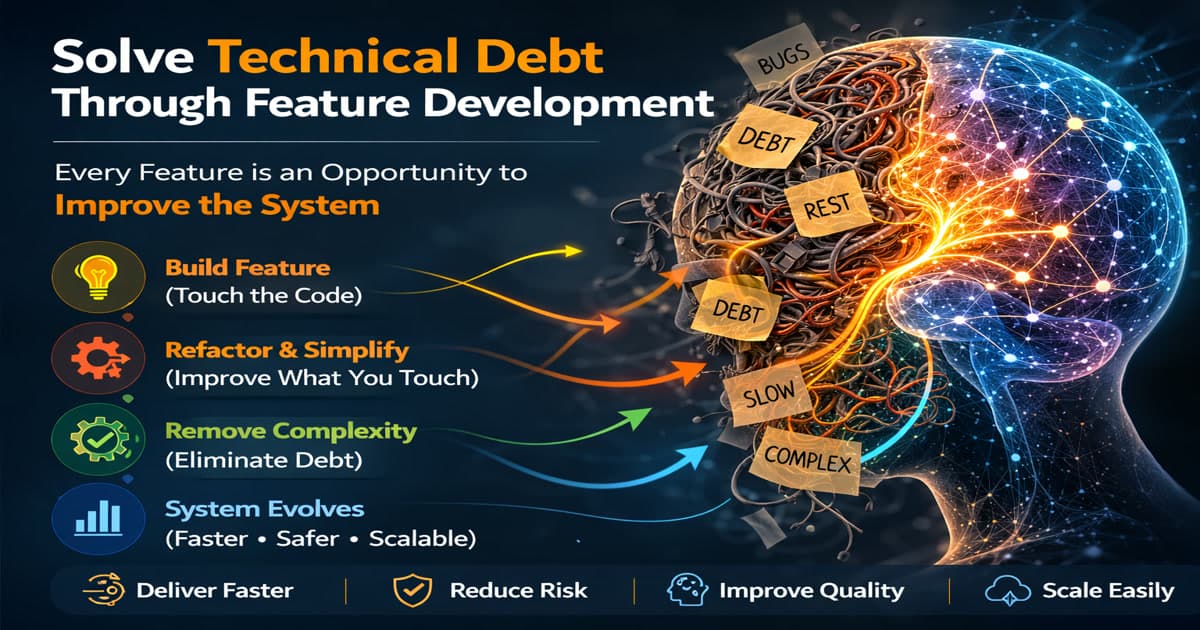
A practical framework explaining how organizations can systematically reduce technical debt while delivering new features, instead of running disruptive modernization programs.
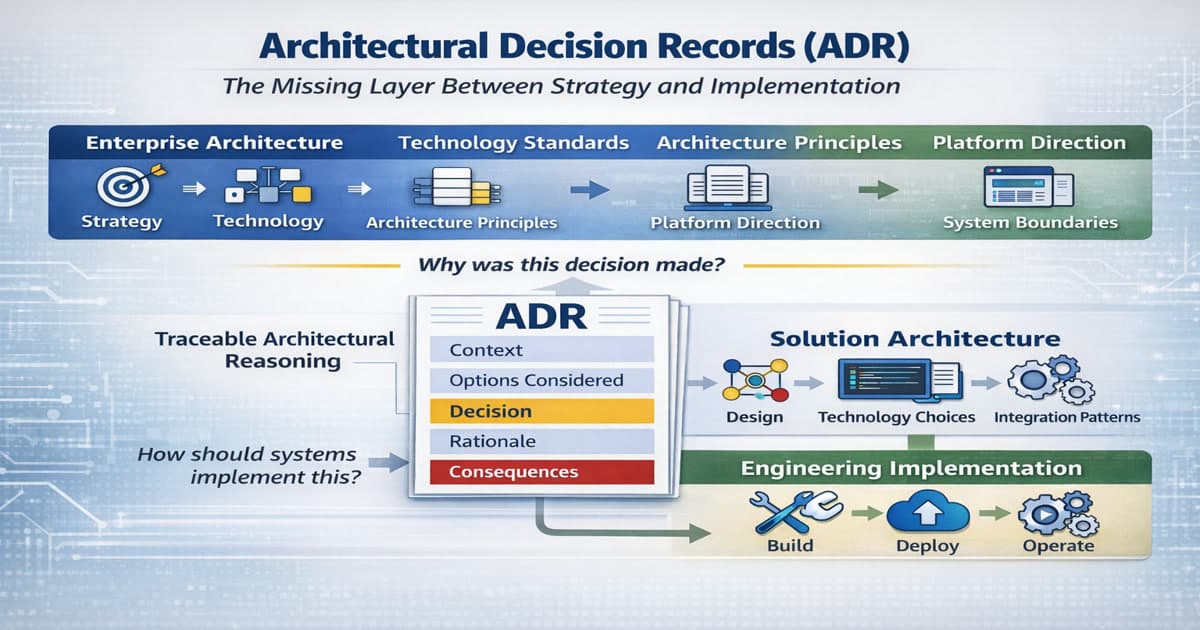
A practical guide explaining why Architectural Decision Records (ADR) are the missing link between enterprise architecture strategy and engineering implementation.
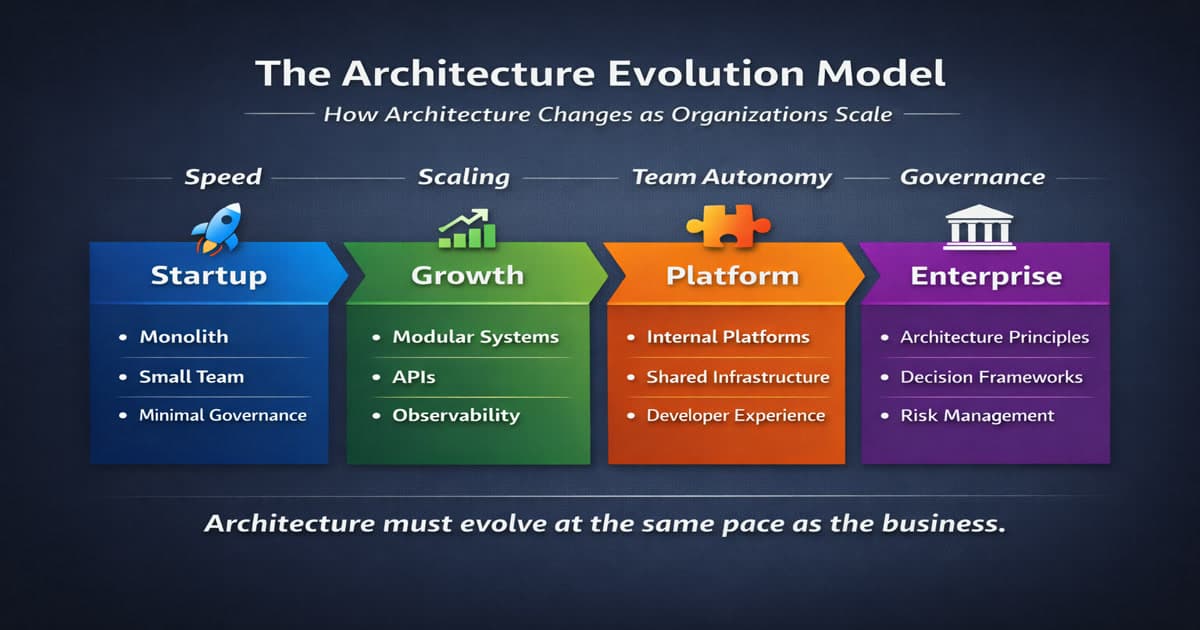
A practical framework explaining how software architecture evolves from startup experimentation to enterprise-scale governance, and what architectural practices are needed at each stage.